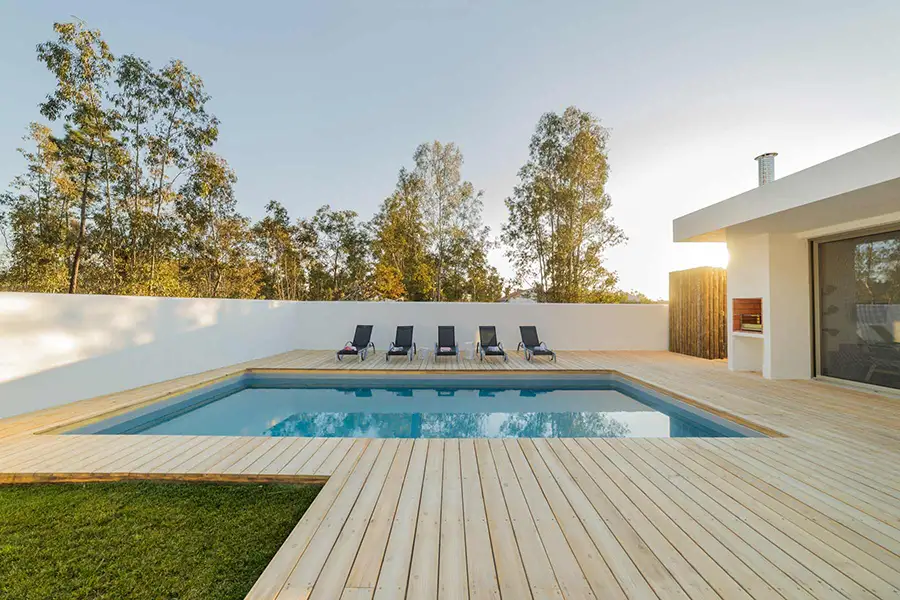
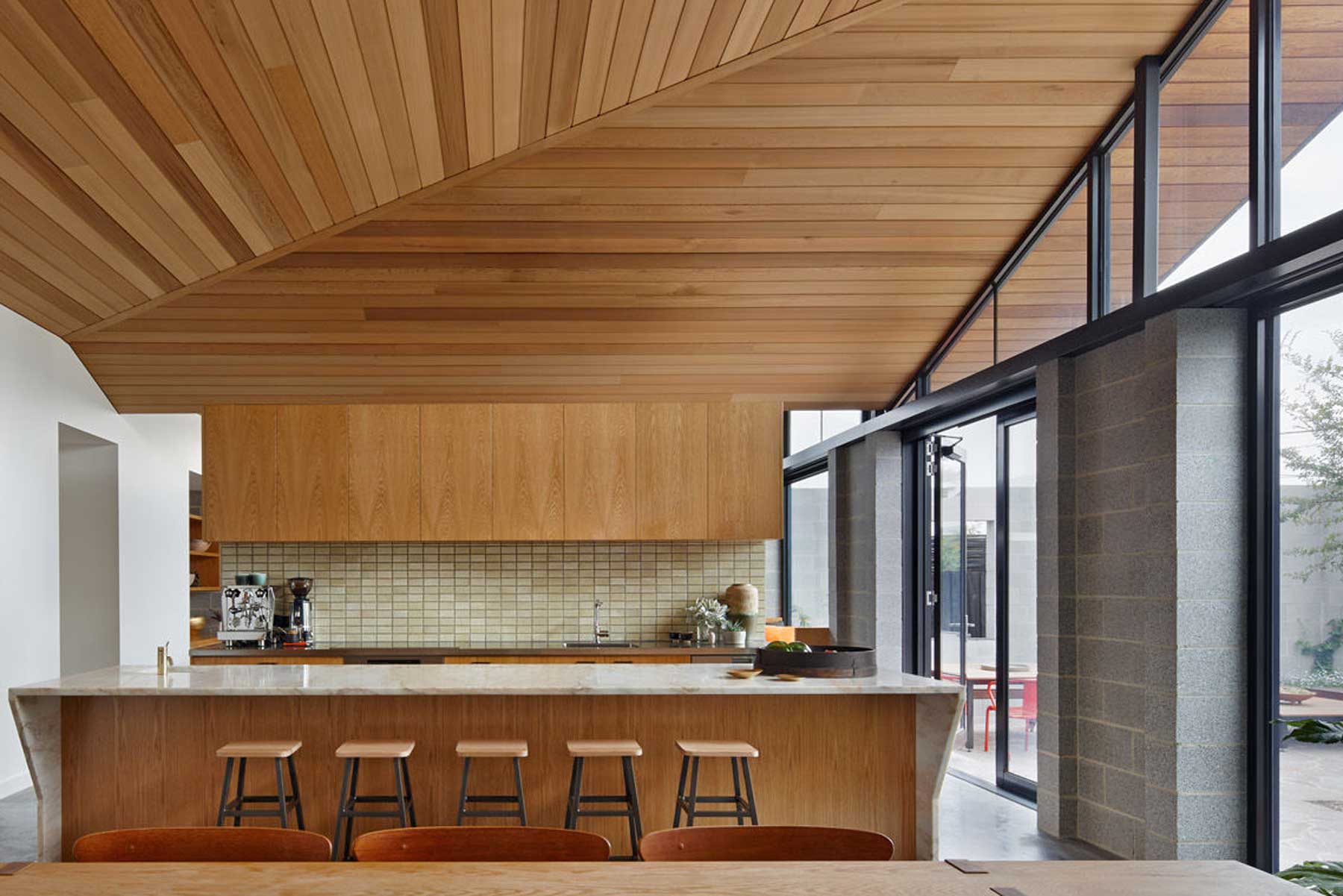
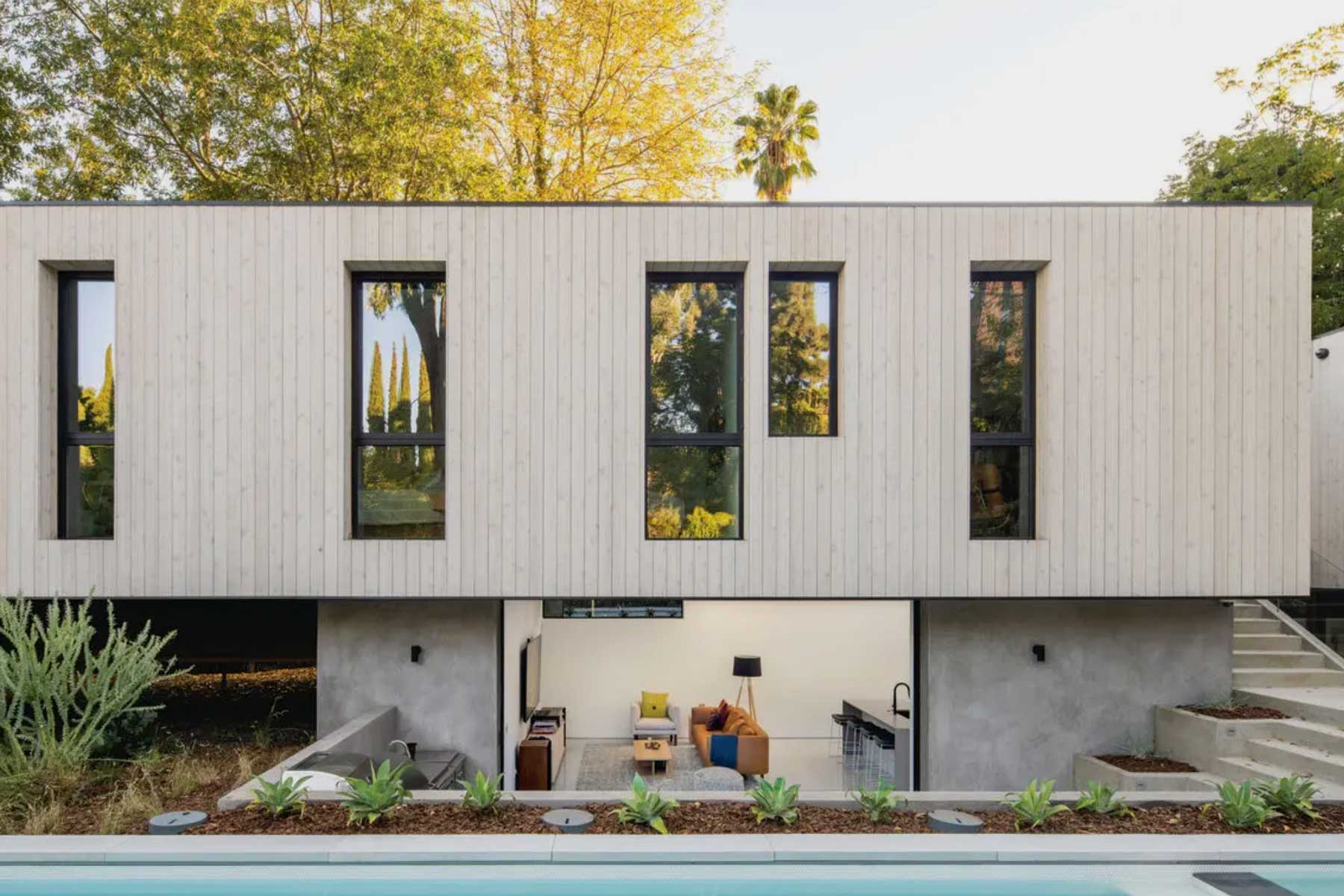
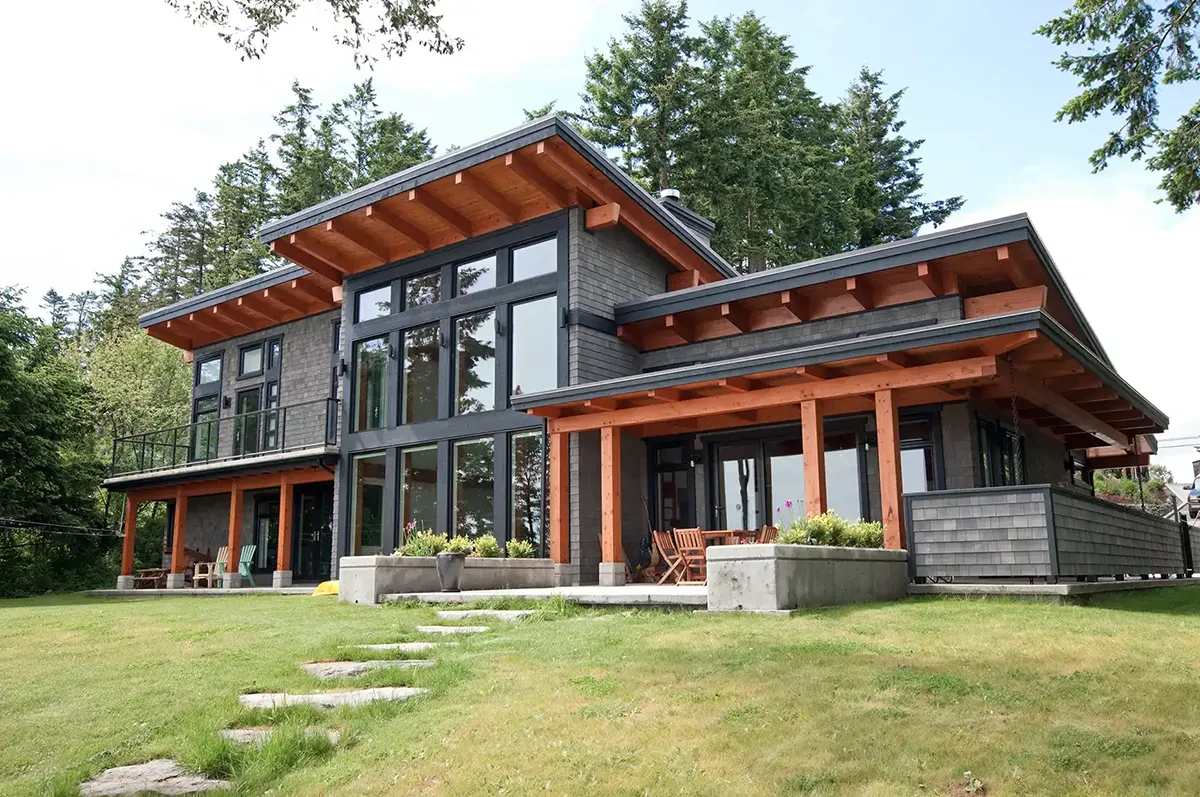
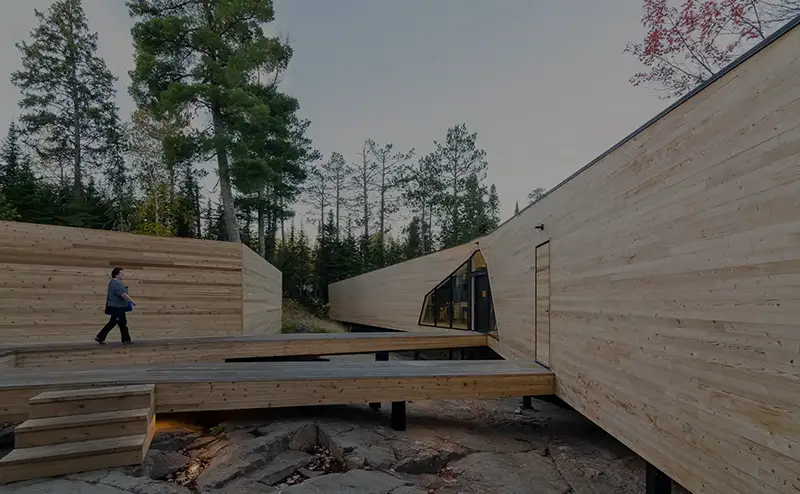

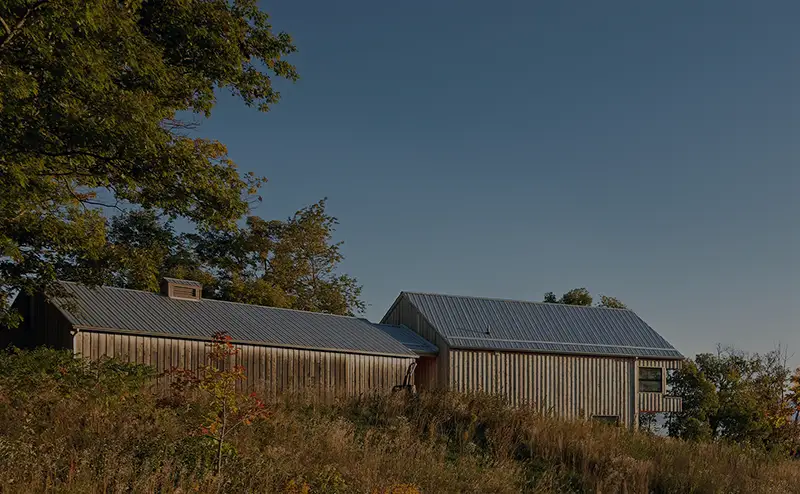
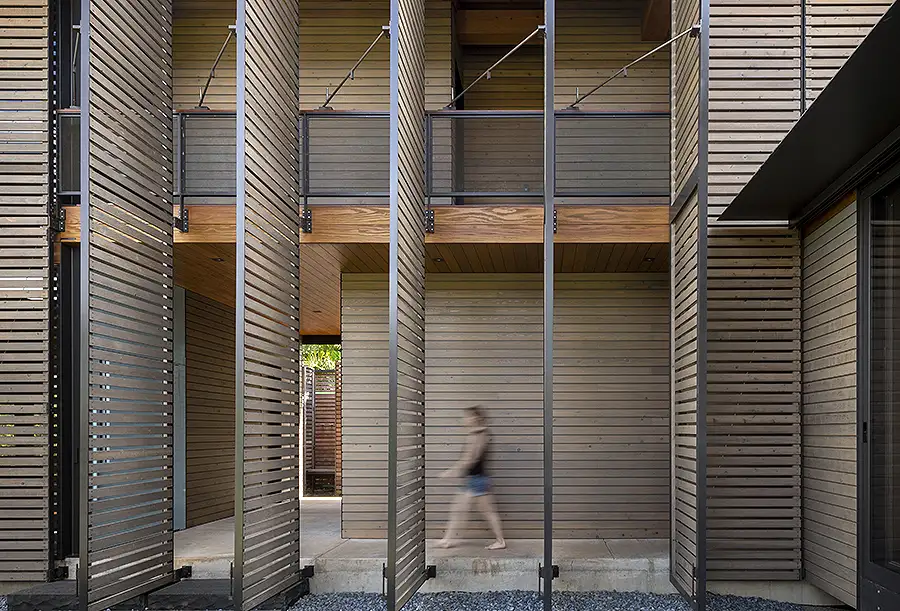
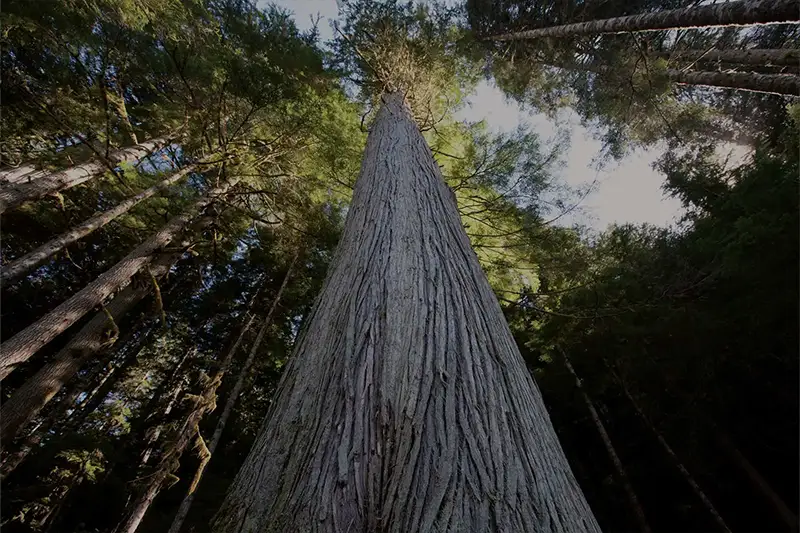
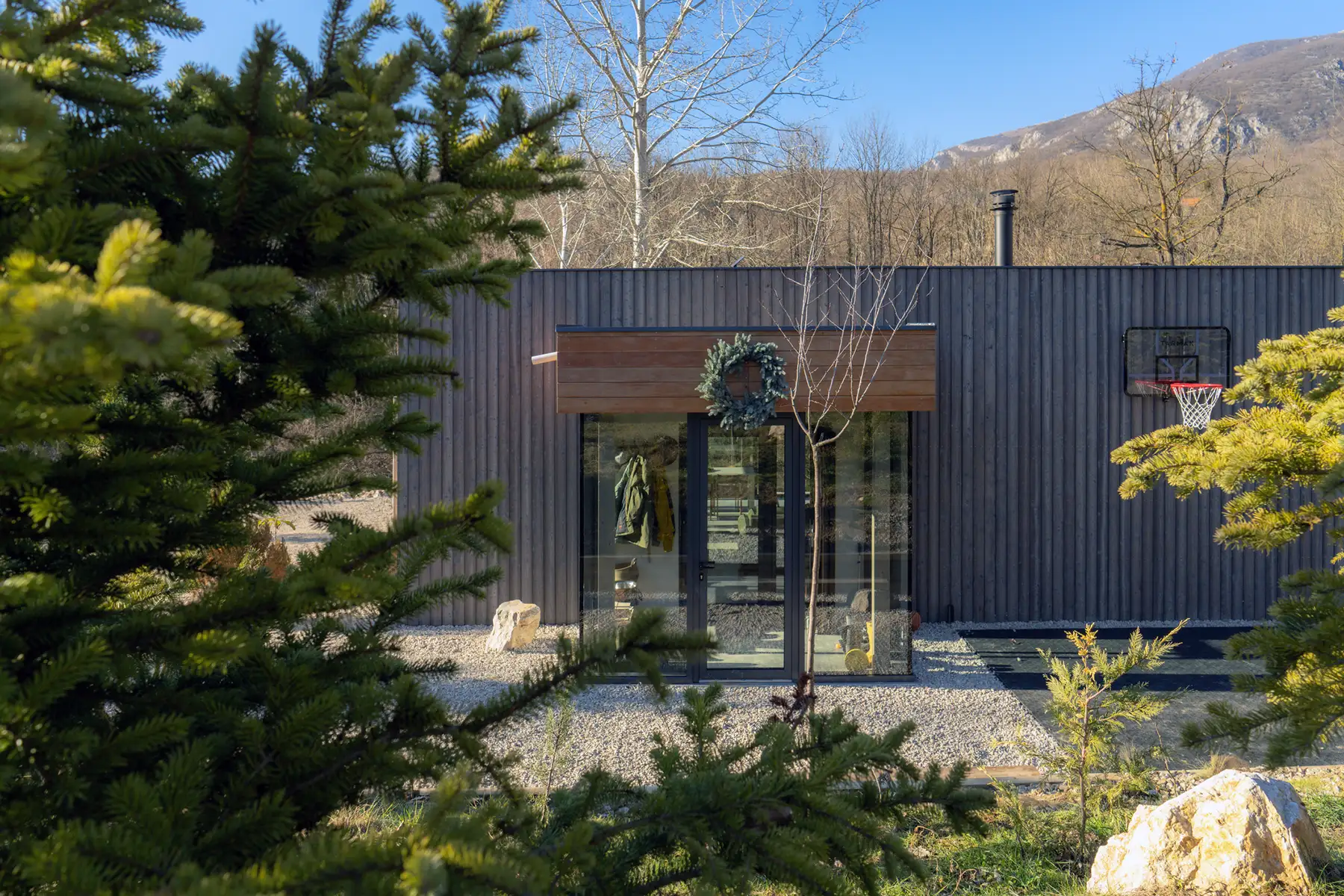
This is not simply a new product line. It is a strategic response to the coastal fibre basket and to the growing demand for durable, beautiful, responsibly sourced wood products.
Designing with the forest we have, for the market we need to serve.
The forest products industry is at an inflection point. Climate pressure, changing fibre availability, constrained premium species, trade volatility, and rising expectations around transparency and responsible sourcing are reshaping how wood products are made, specified, and valued.
At Western Forest Products, we believe moments like this require practical leadership. That is why we are investing in thermally modified Hem-Fir.
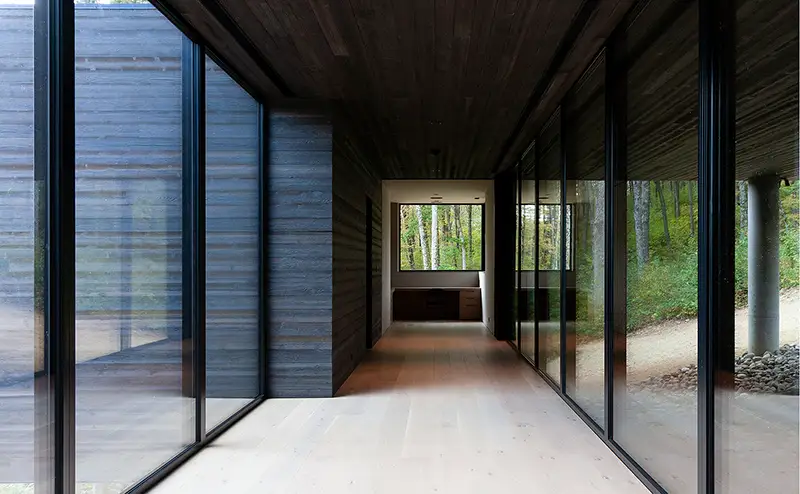
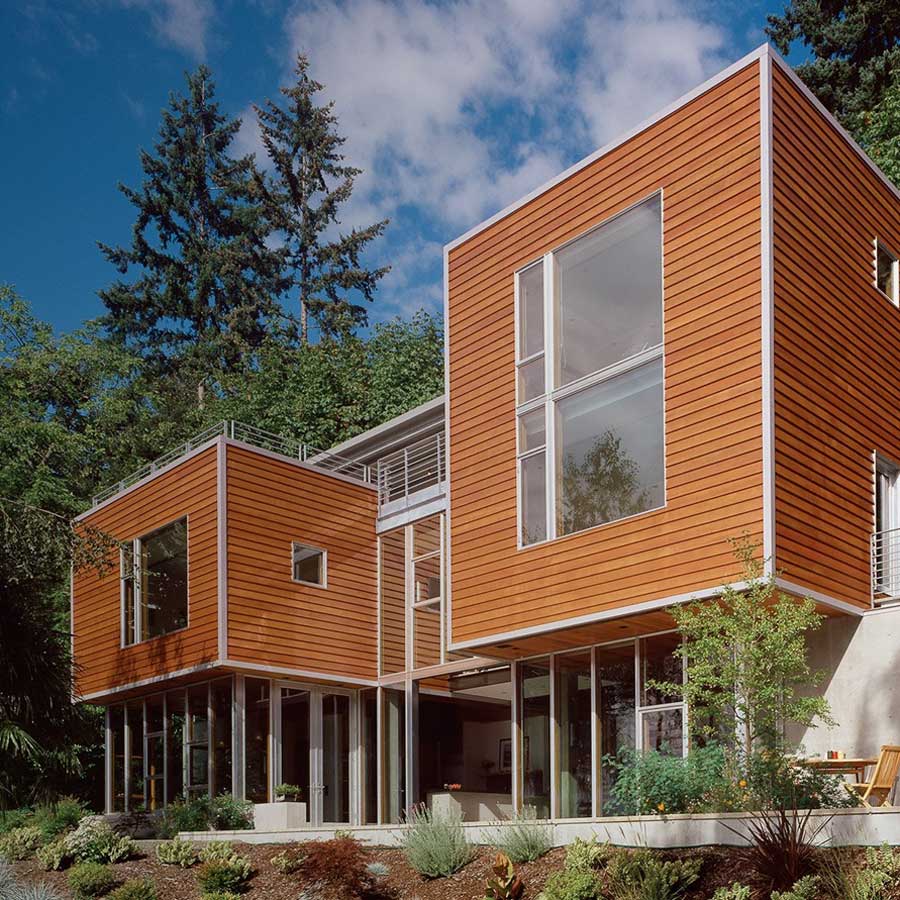
This is not simply a new product line. It is a strategic response to the changing coastal fibre basket and to the growing demand for durable, beautiful, responsibly sourced wood products for exterior siding, decking, cladding, soffits, fascia, trim, and architectural applications.
‘The future of forestry will not be built by wishing for yesterday’s fibre basket. It will be built by creating better products from the fibre our forests are ready to provide.’
The fibre basket.
On the B.C. coast, Hem-Fir, including Western Hemlock and Amabilis Fir, is one of our most important fibre groups. It grows naturally across coastal forests, is familiar to our operations, and has long been used in structural lumber and other applications.
But the role of Hem-Fir needs to evolve. Our coastal forests are moving through a long transition. Historically, much of this material has been directed into lower-margin structural lumber markets, despite its broader potential.
Hem-Fir is an advantage if we use it better.
Hem-Fir gives us a local, renewable, scalable, Pacific Northwest fibre base. It supports supply continuity. It reduces dependence on scarce or imported materials. It gives us the ability to create a regionally relevant wood product platform rooted in the actual ecology of coastal B.C.
As Hem-Fir becomes a larger part of the future fibre basket, we need to move it into higher-value applications that showcase its durability, stability, and design potential. Without that shift, a useful and abundant species group remains underutilized in lower-value commodity markets.
Our thermally modified Hem-Fir strategy is built around upgrading coastal fibre into high-quality appearance applications, strengthening long-term fibre utilization, reducing pressure on scarcer species, and creating a credible domestic alternative to imported thermally modified wood products.
‘Hem-Fir abundance is not a constraint. It is a strategic advantage, provided we build the right products around it.’
Why thermal modification makes sense.
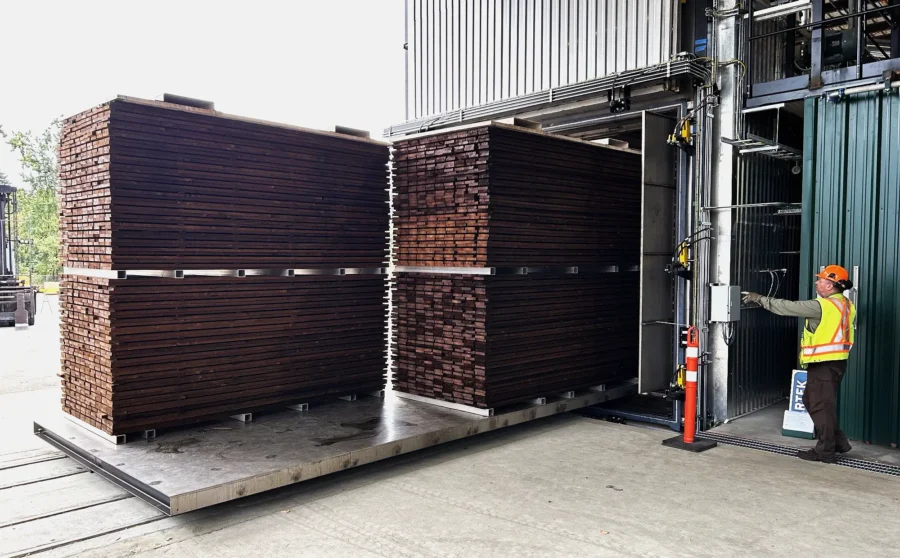
Thermal modification uses controlled heat and steam to change wood at the cellular level. The Thermowood® process is an industrial-scale method in which wood is modified at elevated temperature, in the presence of steam, under atmospheric pressure, without added chemicals.
Thermal modification improves dimensional stability, reduces moisture uptake, and increases resistance to decay, rot, fungi, and insects. The Thermowood® process degrades hemicellulose, a sugar compound in wood, leaving less nutritive matter for fungi. Importantly, no chemical additives are used, only energy and steam.
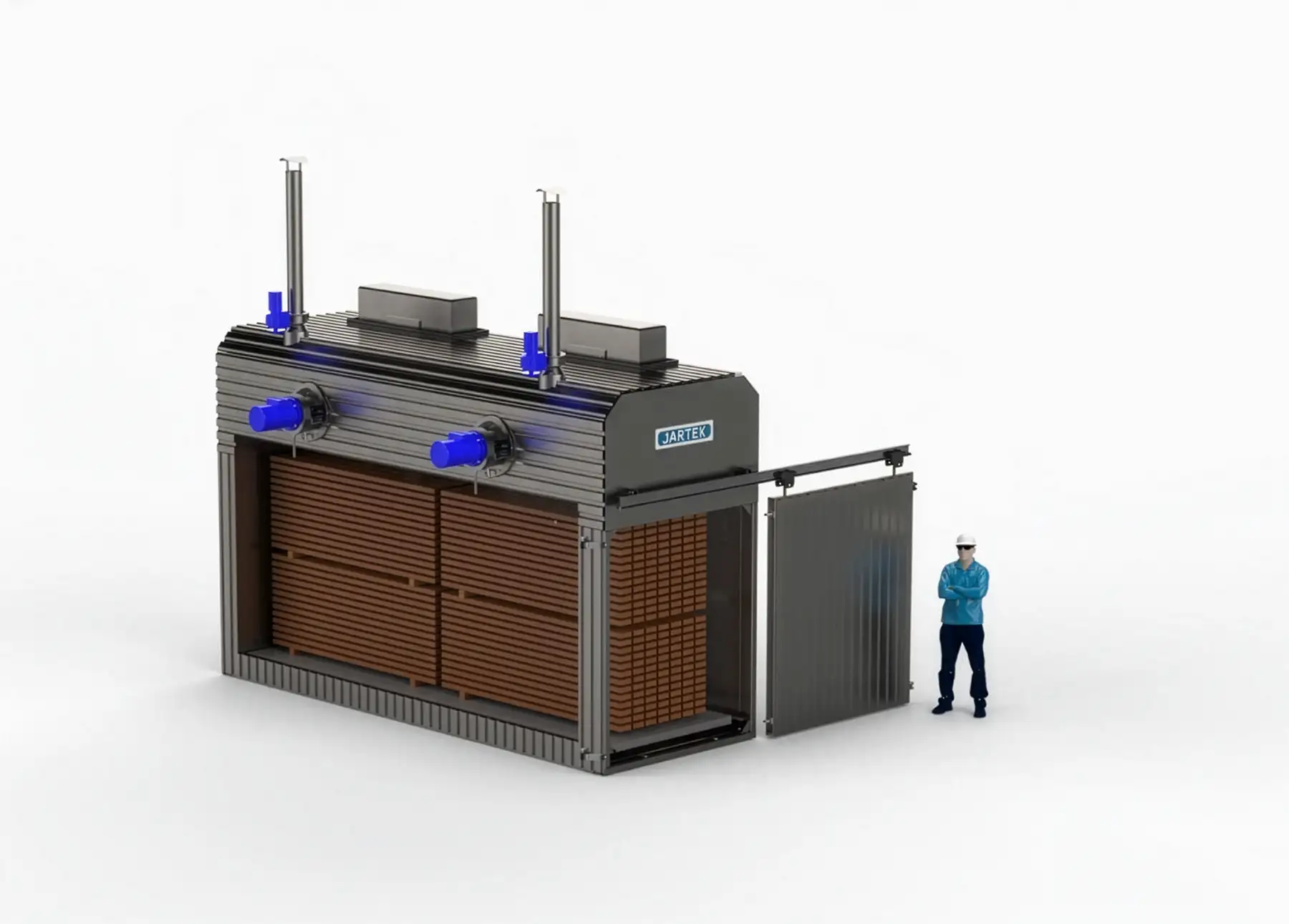
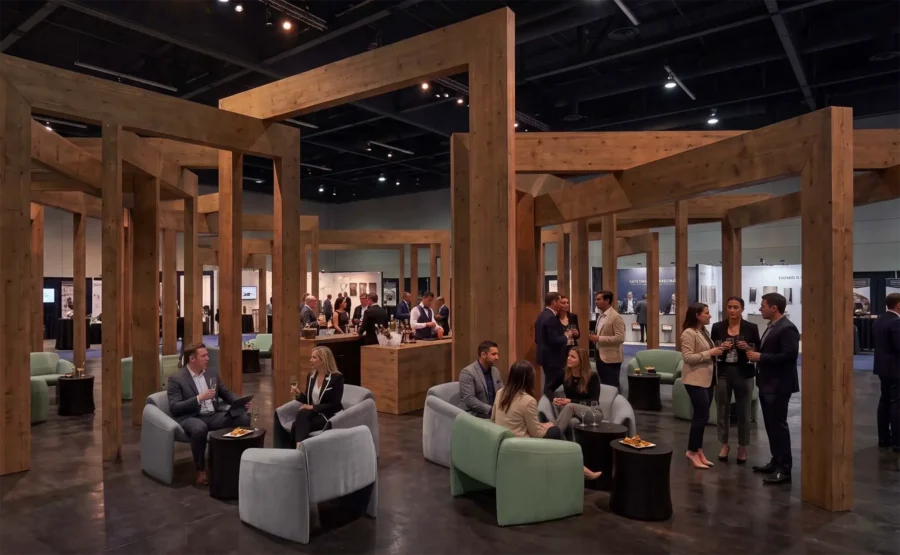
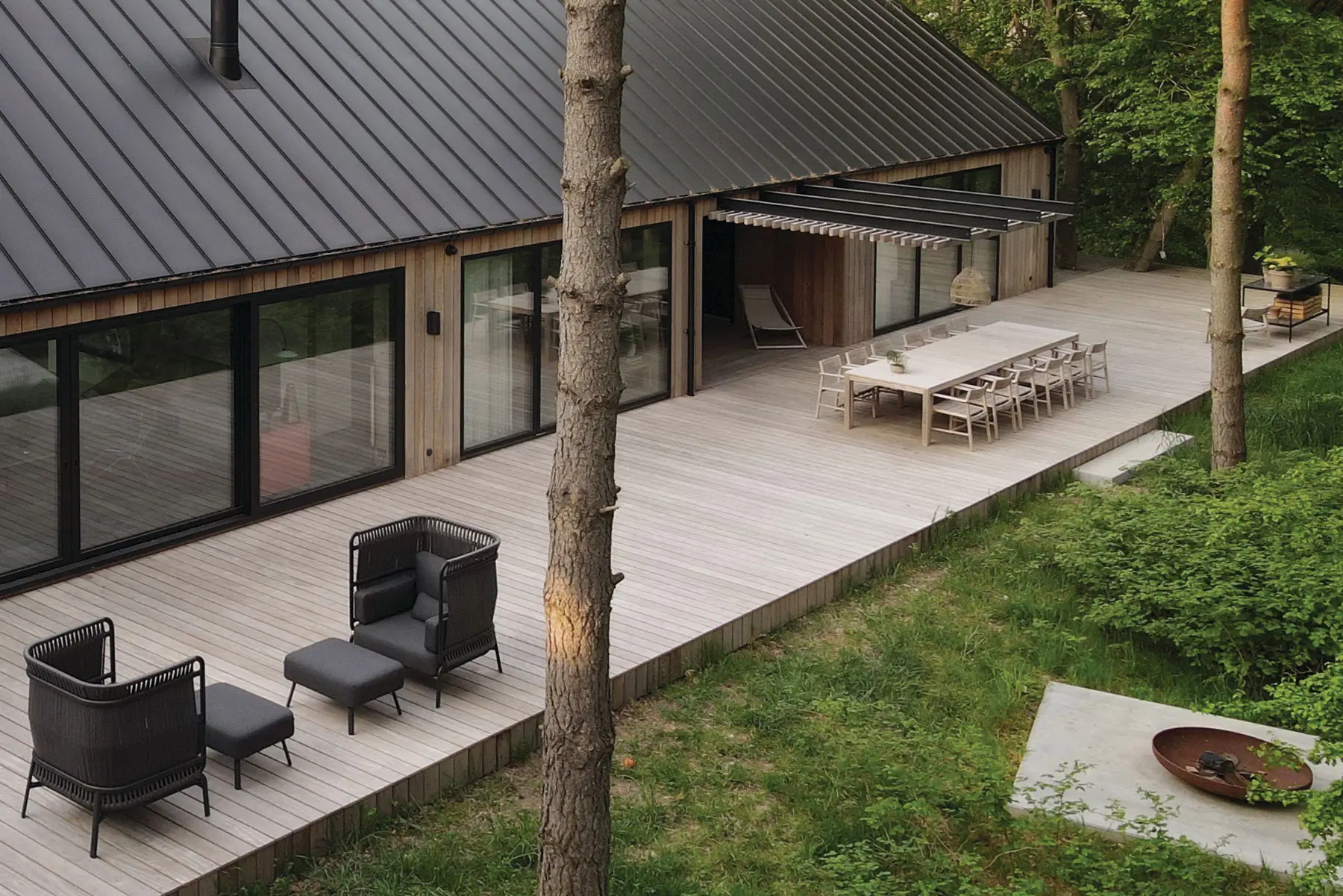
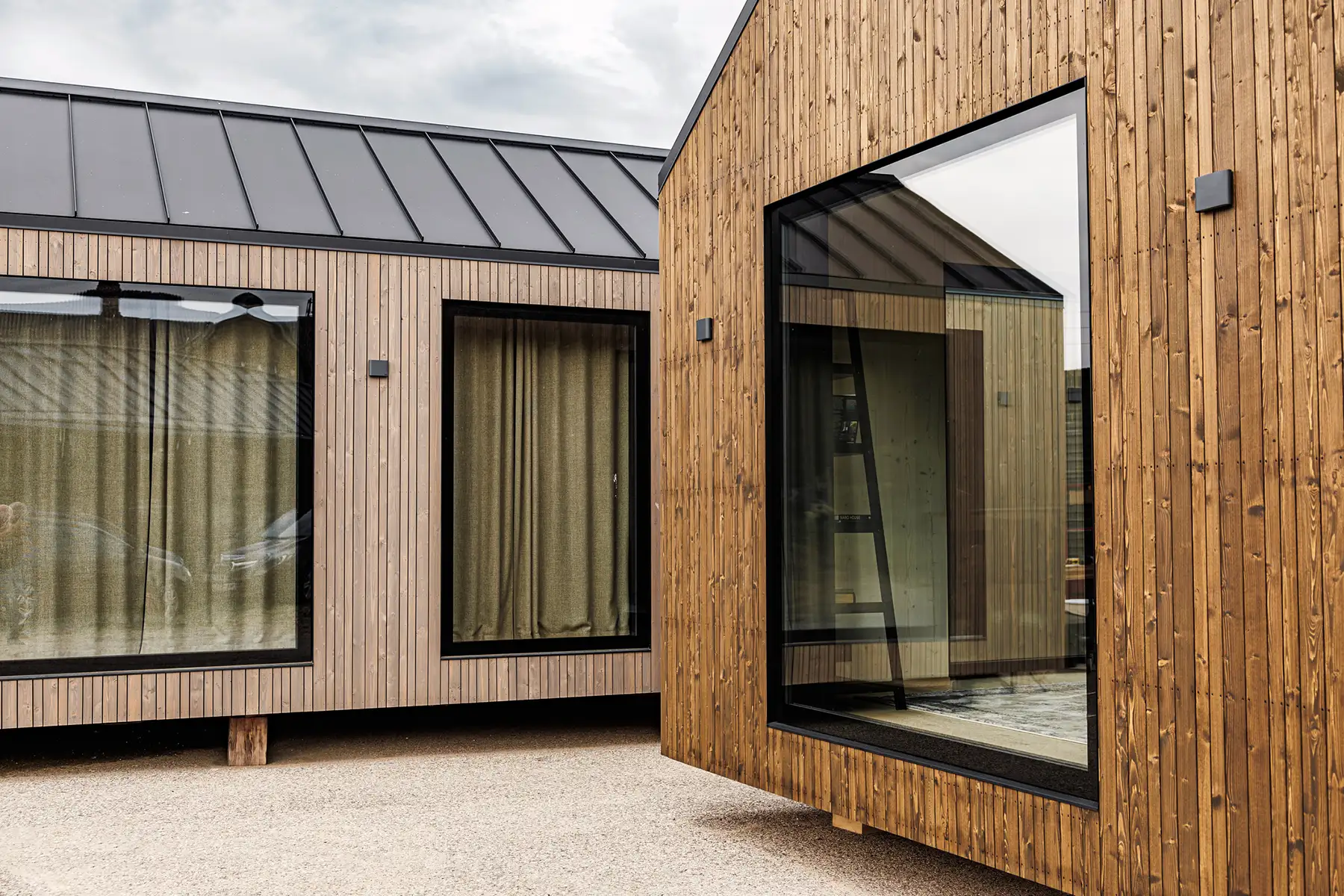
The result is still real and beautiful wood, but with improved performance characteristics for exterior and architectural use. Thermally modified Hem-Fir can develop a rich, warm tone, offering the natural beauty designers expect from premium wood products, while supporting applications such as cladding, siding, decking, soffits, fascia, trim, battens, and architectural accents.
Responsible sourcing starts in the forest.
Our investment in thermally modified Hem-Fir is connected to responsible sourcing and long-term forest stewardship.
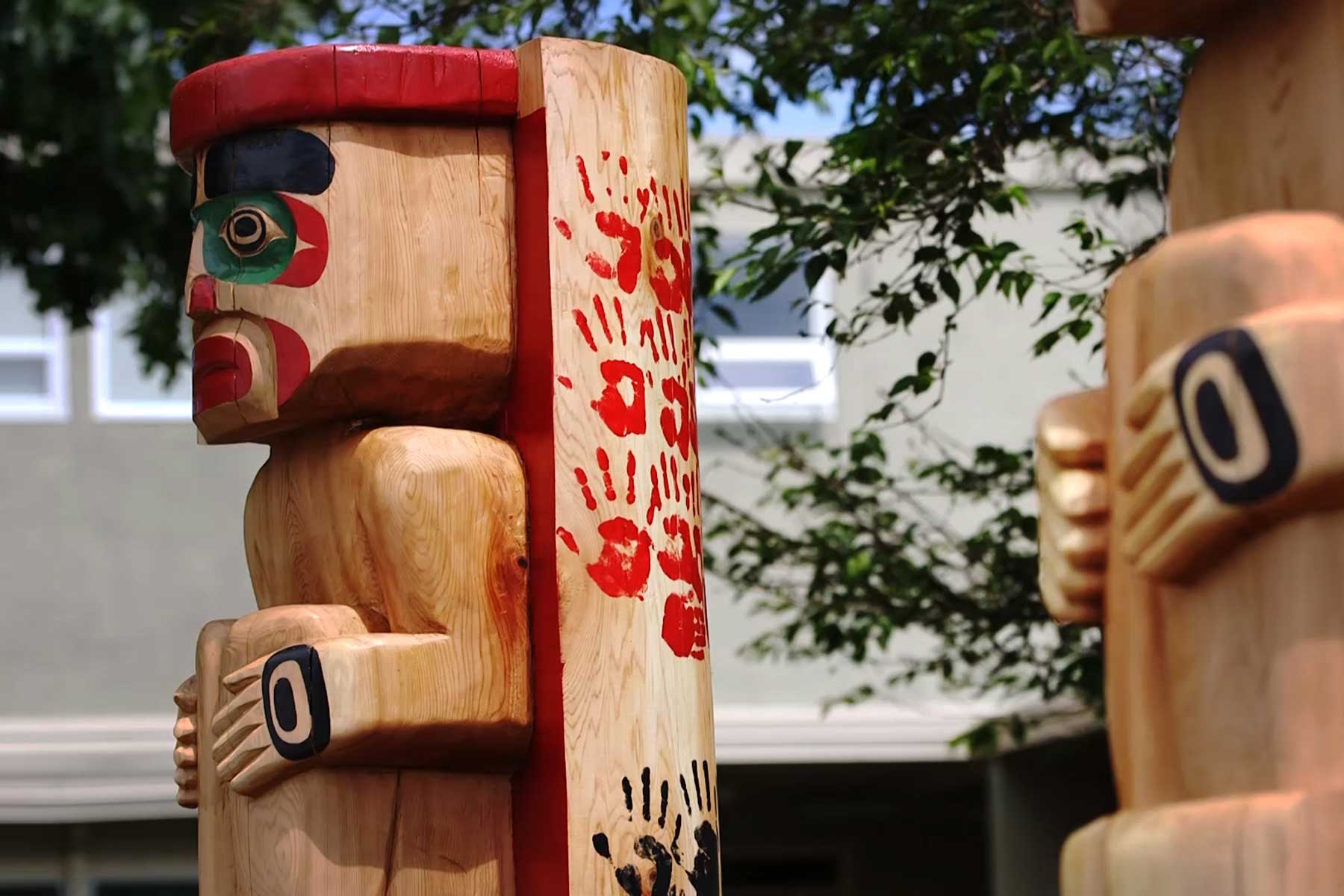
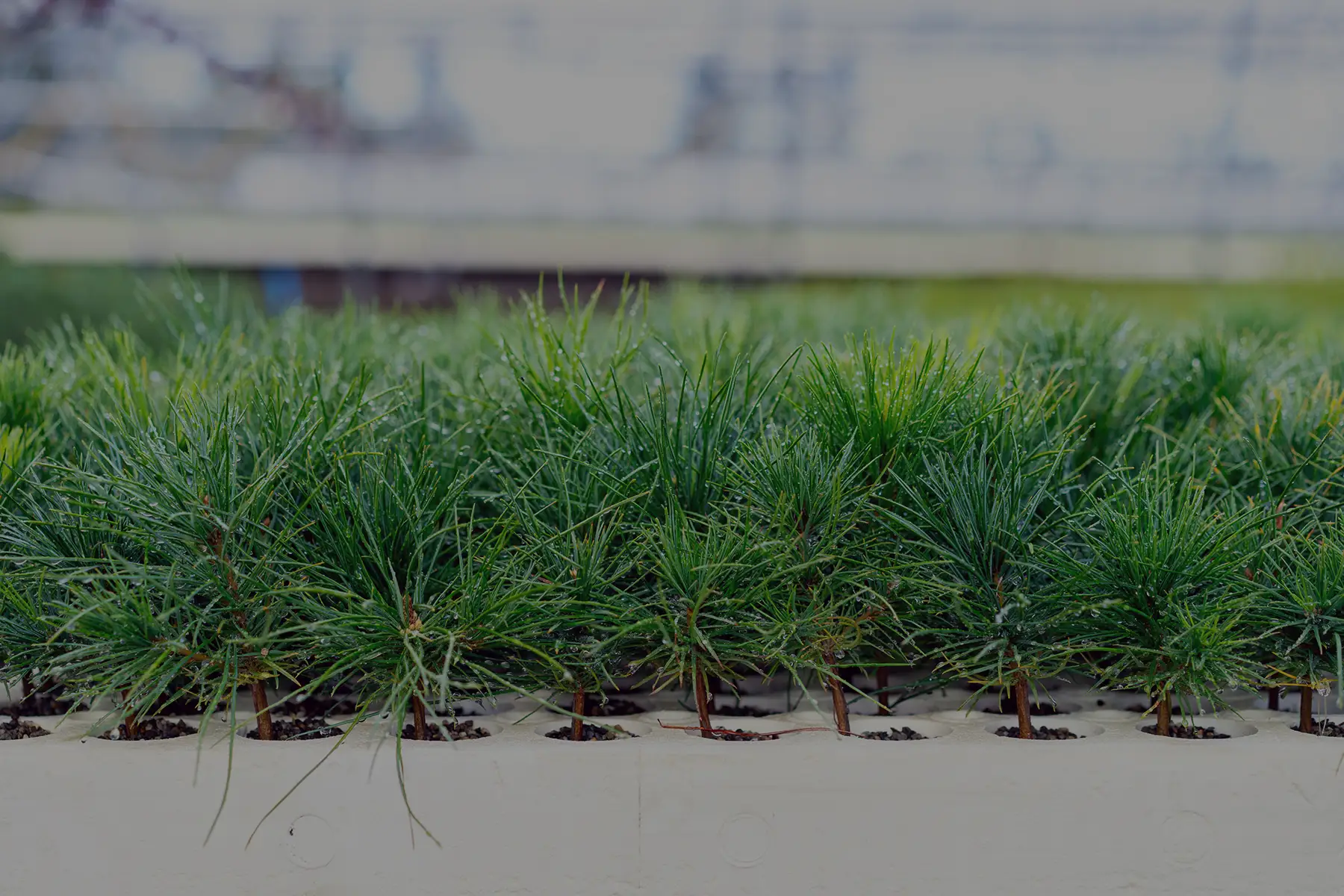
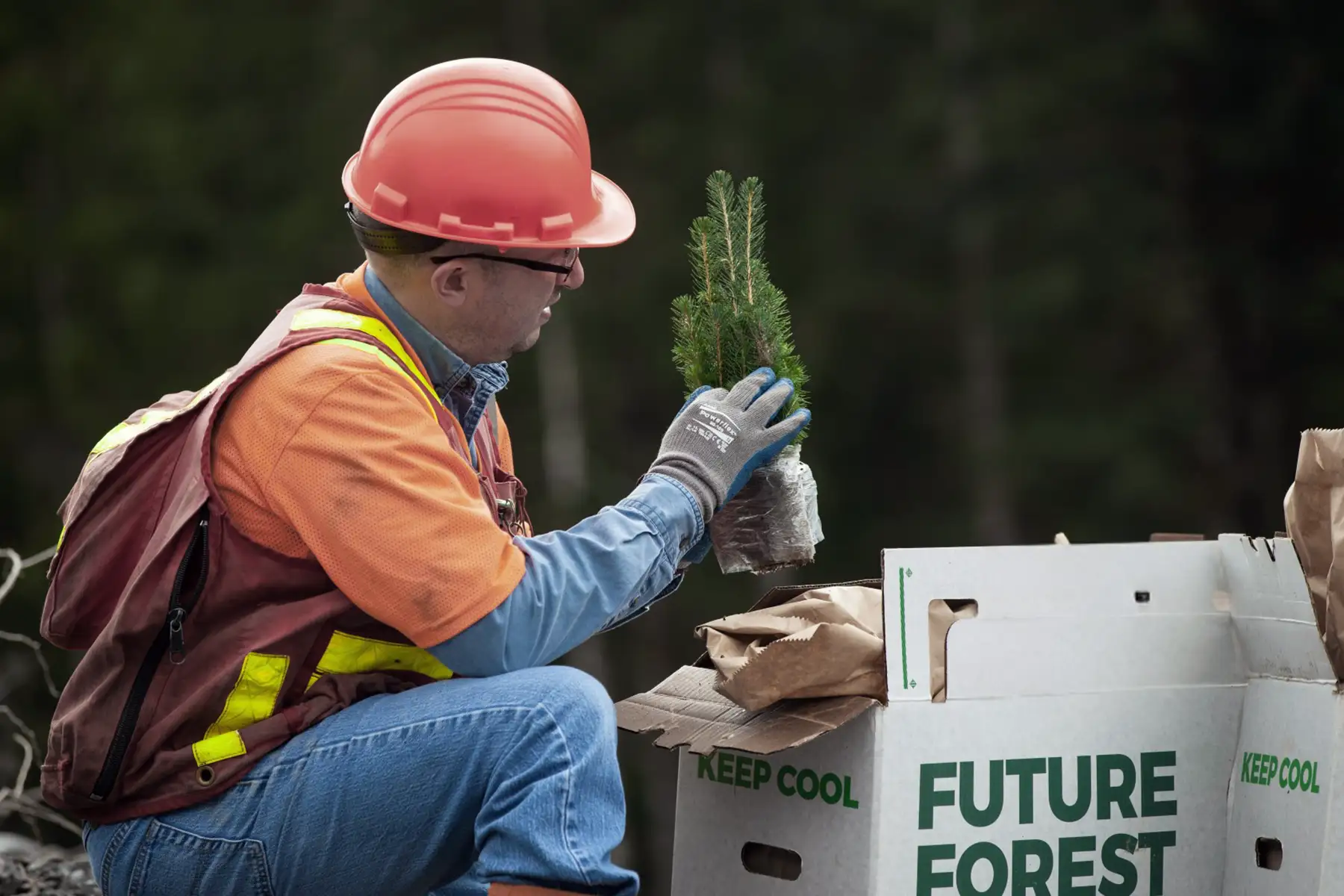
Western operates on the traditional territories of more than 55 Indigenous groups and maintains more than 40 active agreements with Indigenous groups or organizations. Our approach includes certified forests, variable retention harvesting, large-scale reforestation, Big Tree protection, and collaborative landscape planning with Indigenous communities. In 2024, 4.4 million trees were planted throughout Western tenures, representing an approximate 3:1 ratio of trees planted to trees harvested.
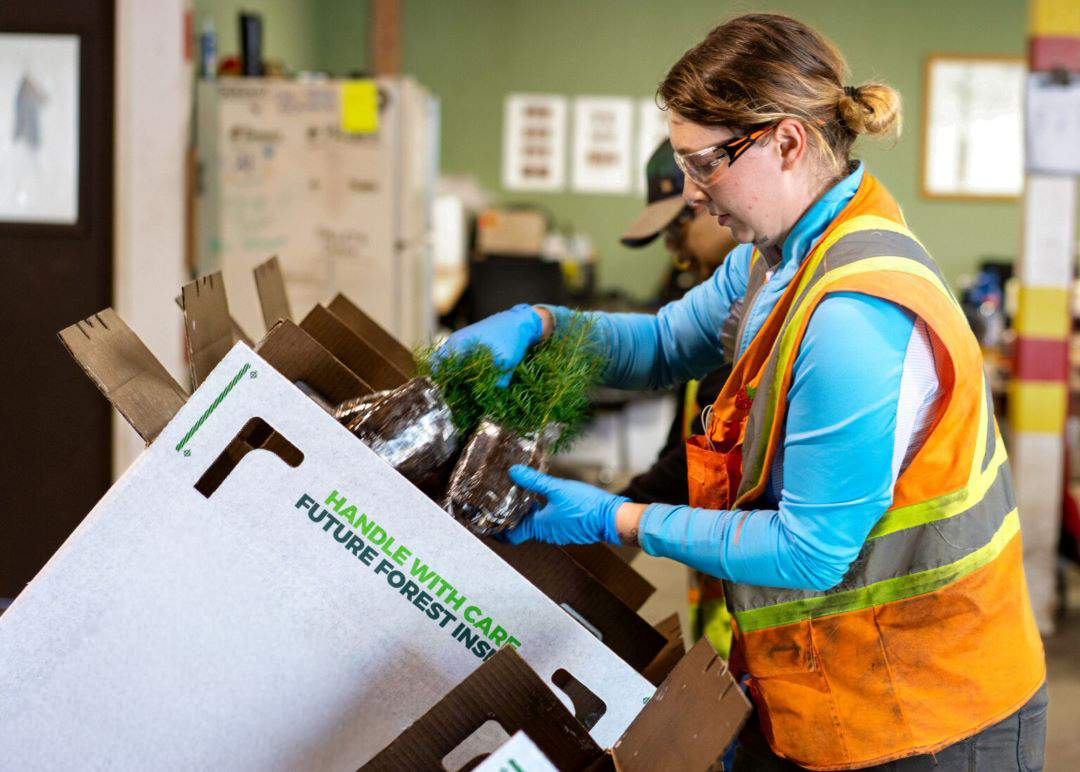
This matters because sustainability is not only about how wood is harvested. It is also about how effectively fibre is used, how long products perform, and whether the value created supports future stewardship.
The International Thermowood® Association also notes that thermal modification can increase wood durability and service life in many end uses, reducing replacement needs and the associated transport and product impacts.
Why Western is positioned to lead.
We are not approaching thermally modified Hem-Fir as a simple SKU extension. We are building it as a platform. Western’s strategic advantage lies in connecting local fibre, deep Hem-Fir expertise, vertical integration, specialty manufacturing, responsible sourcing, technical validation, and market development. Our strategy positions thermally modified Hem-Fir as a premium Pacific Northwest appearance wood platform supported by disciplined product development, technical credibility, and a shorter North American supply chain than many imported thermally modified wood options.
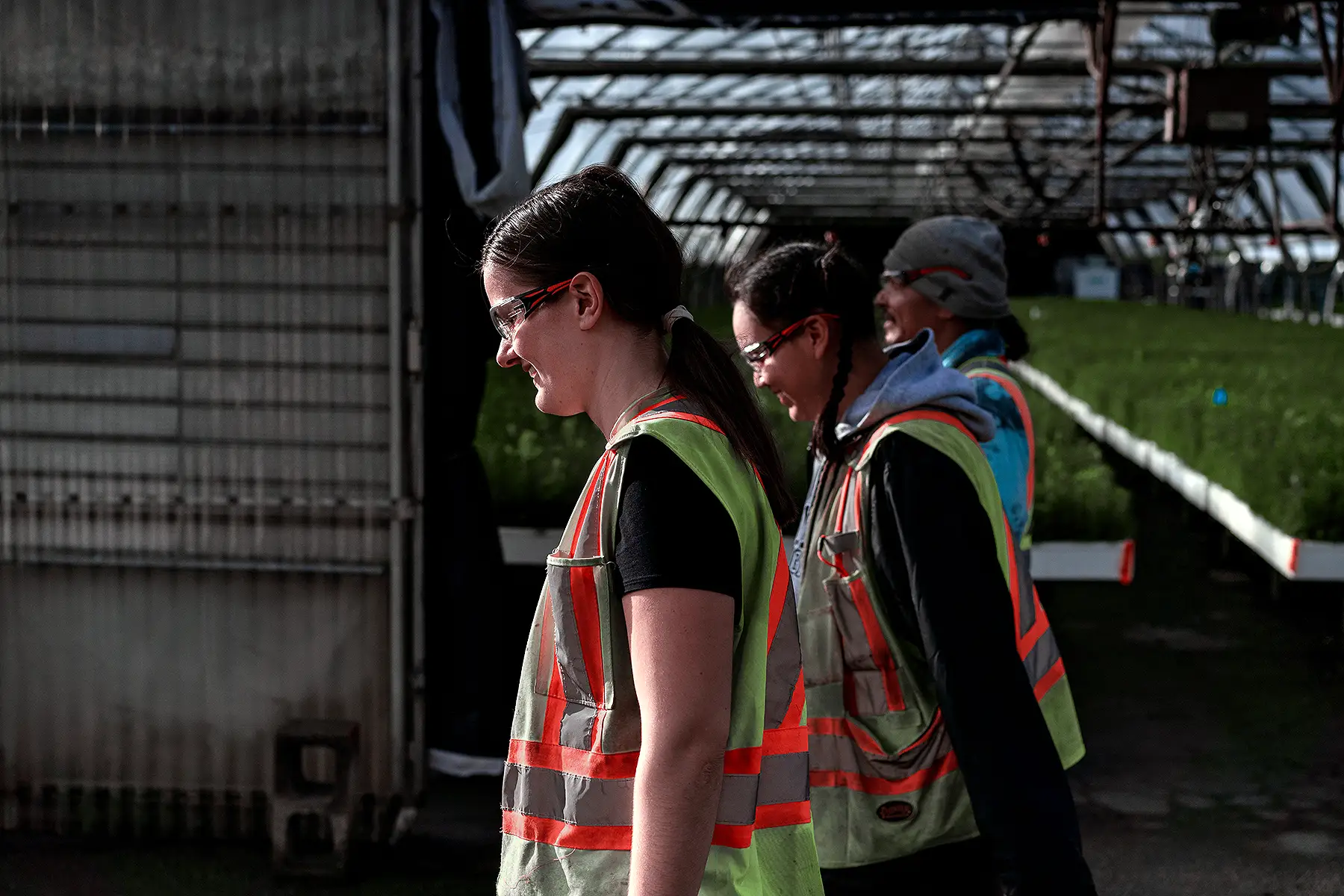
That also means moving carefully. Success depends on producing consistent material, validating performance through testing and certification, building pilot projects and case studies, collaborating with value-add partners, and scaling only when technical readiness and market learning support it.
‘This is not about rushing a product to market. It is about earning confidence, through testing, partners, pilot projects, and disciplined execution.’
Investing in Thermally Modified Hem-Fir. A better fit for the future forest.
Thermally modified Hem-Fir is a practical response to several realities at once. It helps us create more value from coastal fibre. It supports higher-value manufacturing in British Columbia. It gives architects, builders, distributors, and specifiers another real-wood option for exterior and architectural applications. And it helps connect forest stewardship with product innovation.
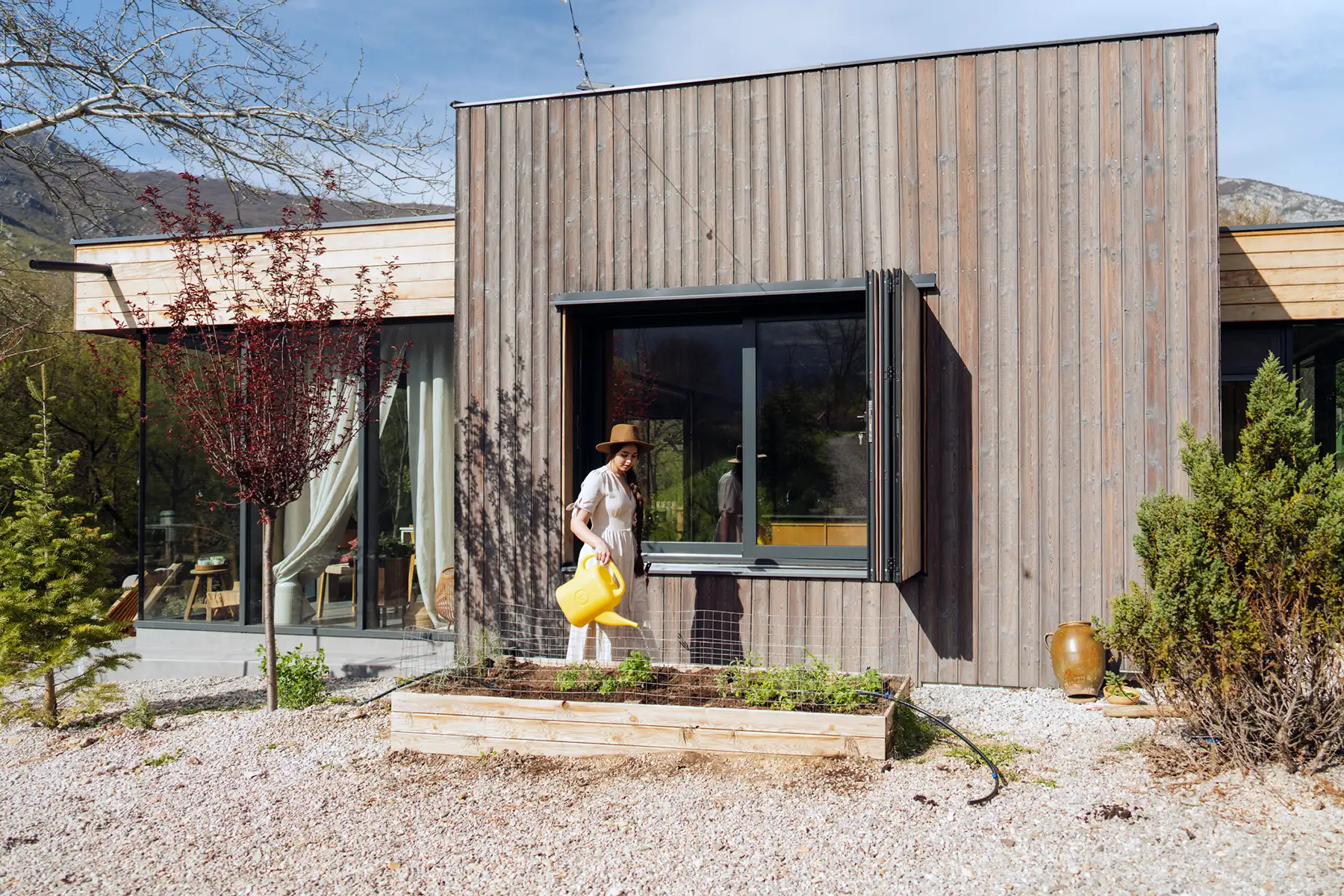
The future of forestry will not look exactly like the past. Neither should the products we make from it. By investing in thermally modified Hem-Fir, we are designing with the forest we have, applying proven technology, and building a wood product platform that can support better outcomes for customers, communities, and the forests we depend on.