





Bob Lennon discusses the future of thermally modified wood in North America, including the opportunity for Hem-Fir, the importance of ThermoWood® standards, and the testing, quality assurance, and scale needed to build long-term market confidence.
As thermally modified wood gains momentum in North America, few people have spent more time building the category from the ground up than Bob Lennon.
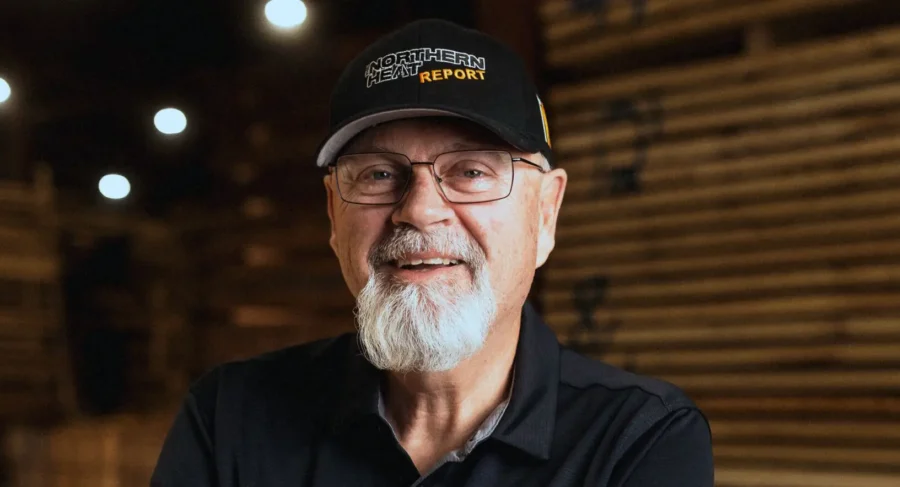
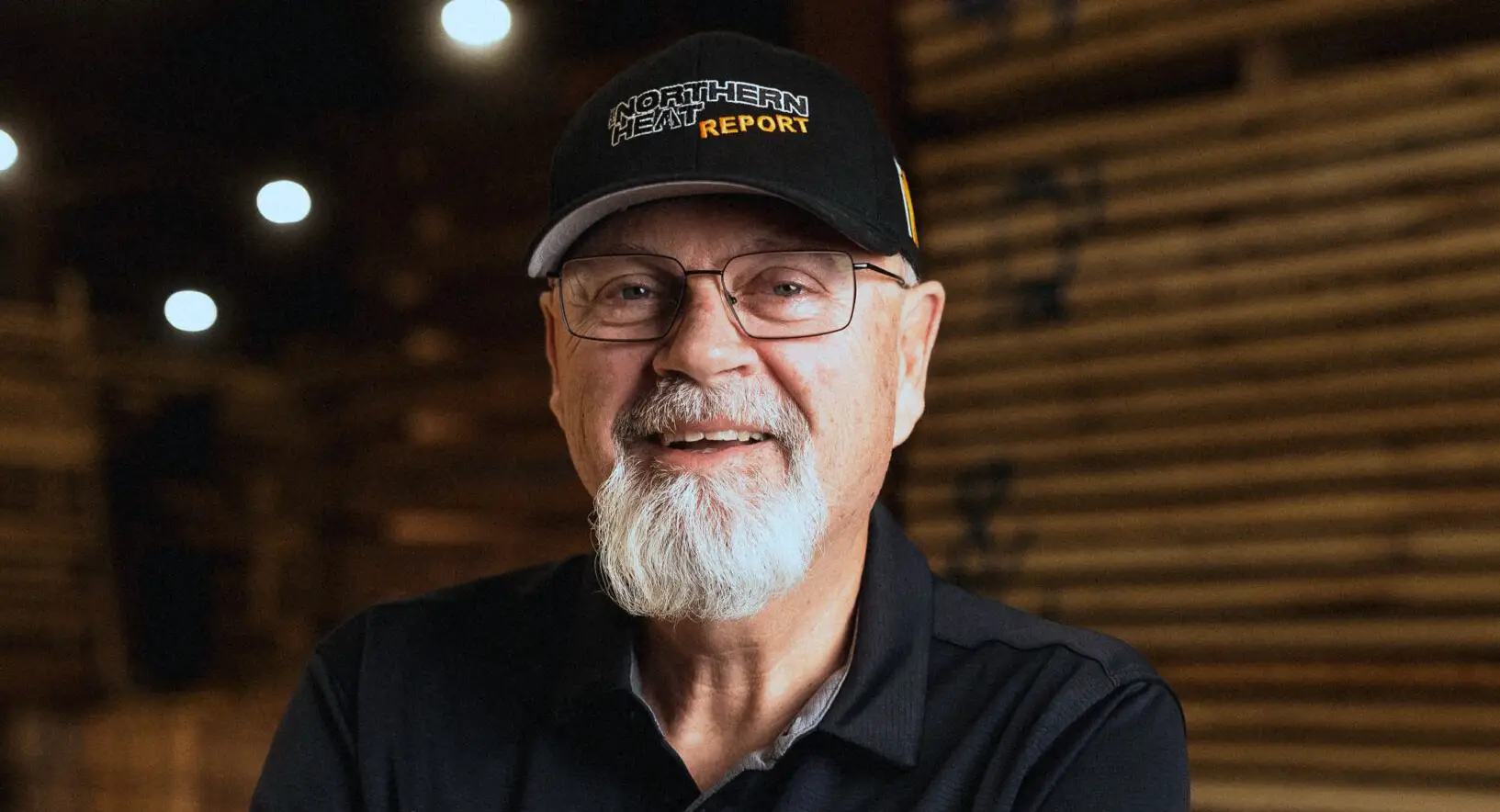
Bob Lennon is the President and CEO of ThermalWood Canada, a Bathurst, New Brunswick-based manufacturer focused exclusively on thermally modified wood. Since helping build the company from an early entrepreneurial idea into one of Canada’s most recognized thermal wood producers, he has become an early champion of the industry, advocating for education, standards, product performance, and greater market understanding.
His background also gives him a practical perspective on what it takes to move a product from technical promise to commercial reality. Before entering the wood products industry, Lennon spent three decades as an engineer in mining. That experience, combined with years of hands-on leadership in thermally modified wood, has shaped his view of process discipline, quality control, and market development.
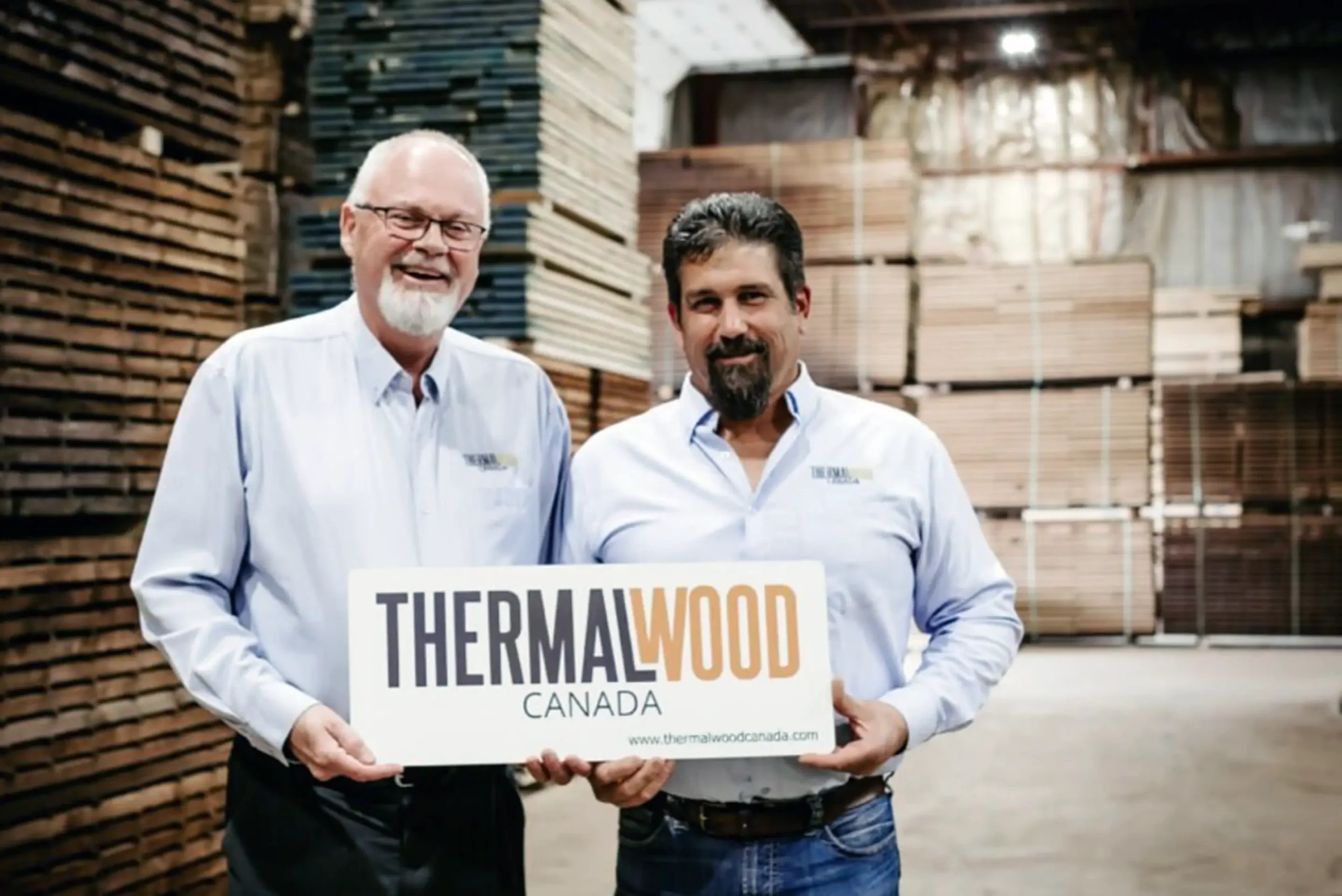
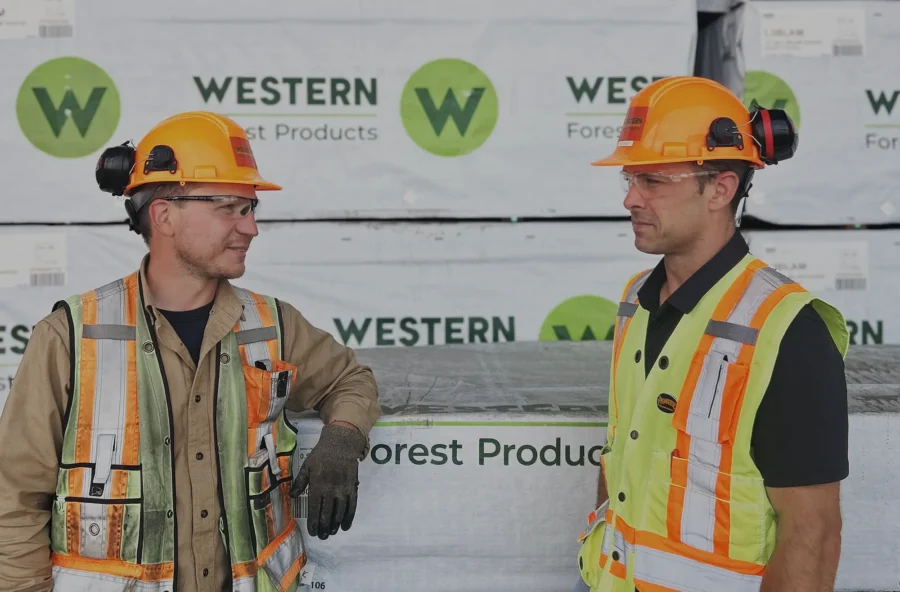
Today, ThermalWood Canada is helping Western Forest Products accelerate process development and product performance for thermally modified Hem-Fir. We spoke with Bob about the project, the growing interest in thermally modified wood in North America, and what it takes to bring a new wood product from concept to commercialization.
Why thermally modified Hem-Fir is worth developing.
What interested you most about this collaboration project?
Bob Lennon: Hem-Fir is an important regional species with enormous potential. Western Forest Products approached the project with a clear commitment to doing it right, investing in testing, learning the process, and building confidence before their kiln goes live. That level of seriousness is exactly what the industry needs, and it made the collaboration a natural fit.
Hem-Fir is abundant and widely used in the Pacific Northwest. What makes it an exciting candidate for thermal modification?
Bob Lennon: Its availability, workability, and established market presence make Hem-Fir a strong candidate. When modified correctly, it gains improved stability and durability, opening doors to applications where it traditionally has not been used. It is a species with room to grow, and thermal modification helps unlock that value.

Where thermally modified softwoods can create value.
Where do you see thermally modified softwoods, such as Hem-Fir, offering the strongest value compared with thermally modified hardwood options?
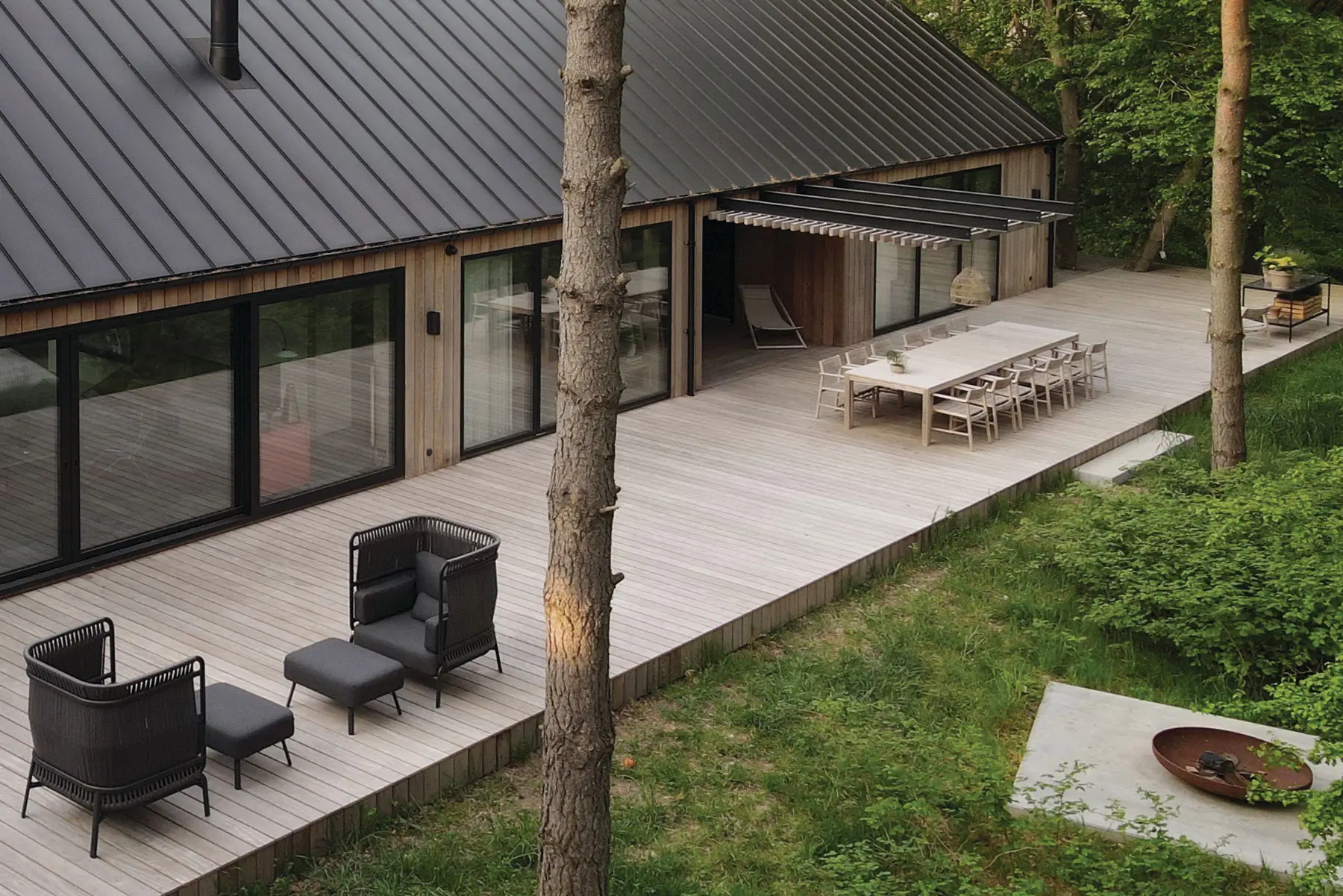
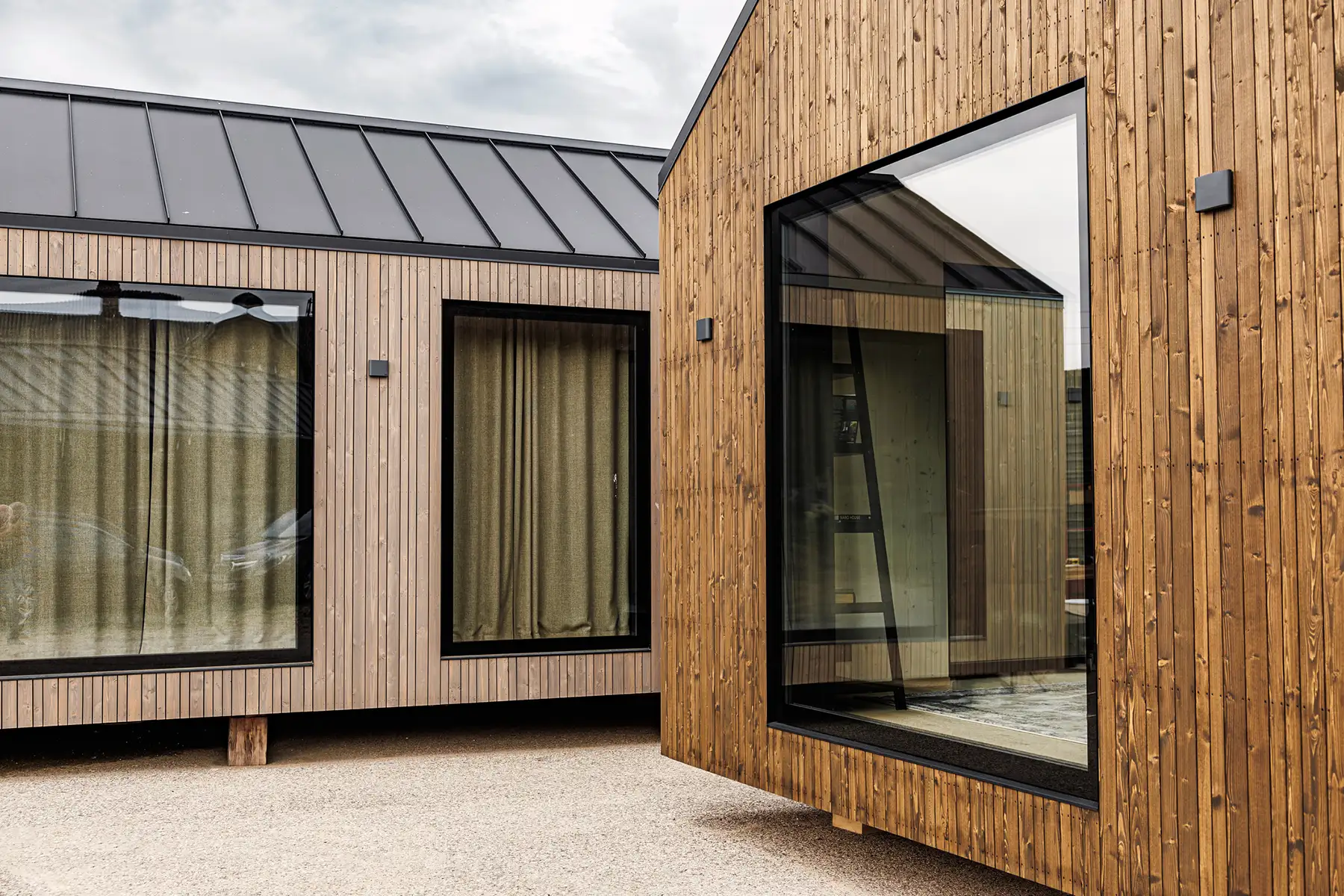
Bob Lennon: Softwoods often offer better price points, lighter weight, and easier machining. For large-scale exterior applications, including siding, cladding, and decking, those advantages matter. Hardwood modification remains important, but softwoods can deliver performance and aesthetics at a scale and cost that appeals to a broader market.
What does it take to move a species like Hem-Fir from concept to commercialization?
Bob Lennon: Bringing a new thermally modified wood product to market takes collaboration across manufacturers, researchers, equipment suppliers, and industry organizations. It takes disciplined testing, shared data, and a willingness to learn. You need to understand how the species behaves in the kiln, how it performs in real-world conditions, and how to communicate that performance to customers. Collaboration is essential. No single company has all the answers. When manufacturers, researchers, and equipment suppliers work together, the process accelerates, and the results improve.
Building thermally modified wood in North America.
For readers who may be unfamiliar with ThermalWood Canada, could you briefly introduce the company and your role in advancing thermally modified wood in North America?
Bob Lennon: ThermalWood Canada is a specialized manufacturer dedicated exclusively to thermally modified wood. For more than a decade, we have focused on developing kiln schedules, refining production processes, and helping customers understand how different species respond to thermal modification.
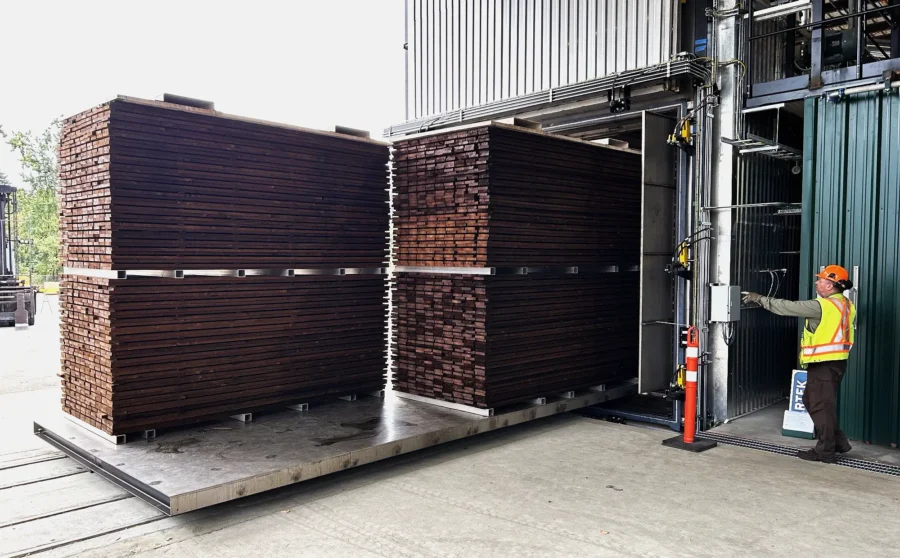
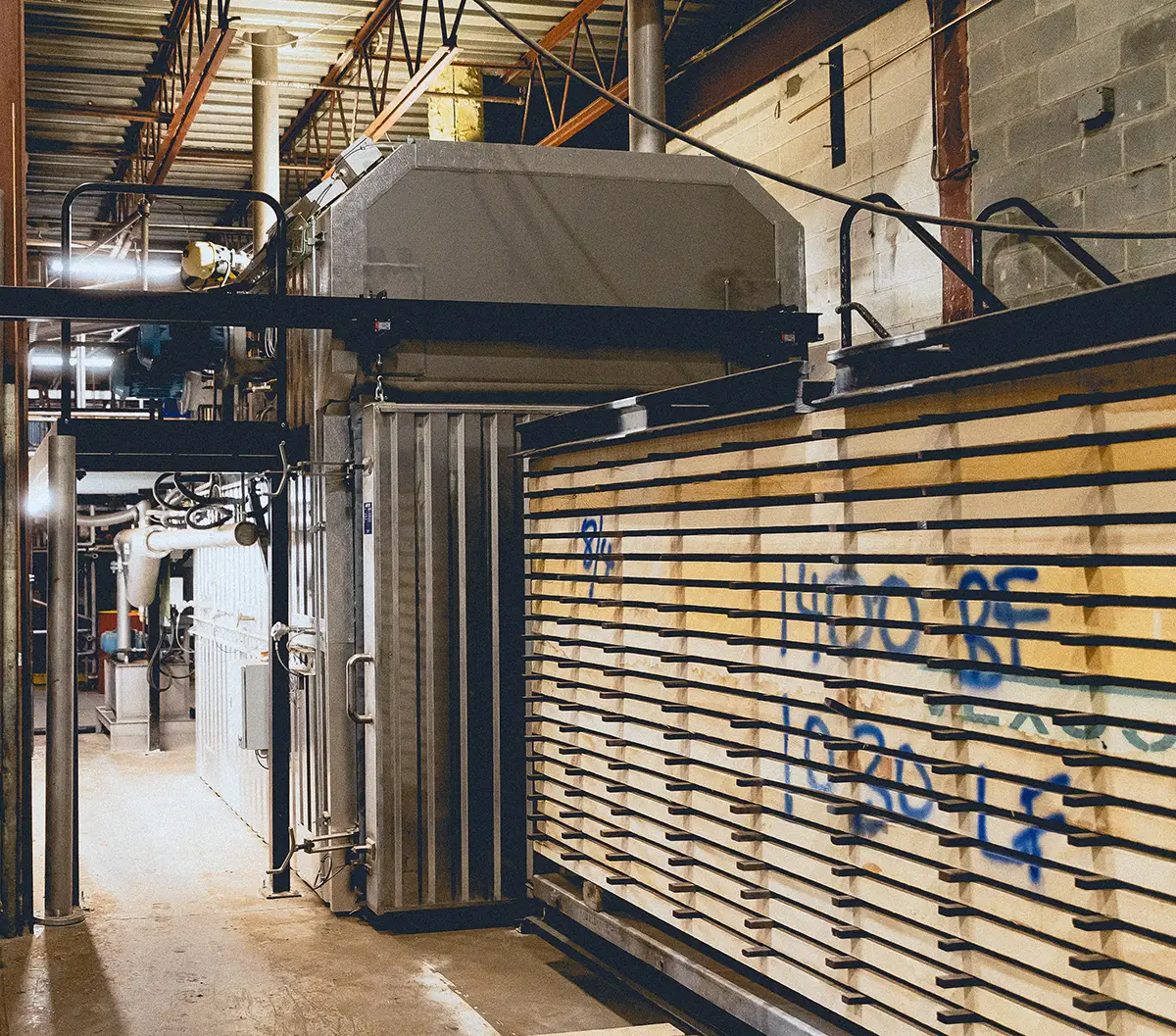
Our facility includes a small three-cubic-metre Jartek kiln that allows us to run controlled trials and support research and development for partners across North America. That is an important capability for companies exploring new species or preparing to commission their own kilns.
Beyond our production work, we are deeply involved in advancing industry standards and best practices. ThermalWood Canada is a long-standing member of the International ThermoWood Association, the global organization responsible for maintaining the ThermoWood® trademark, quality systems, and technical guidelines.

I currently serve on the ITWA Board, which gives us a direct role in shaping the future of the technology worldwide. That involvement aligns closely with ITWA’s mandate: to promote responsible thermal modification, ensure consistent quality, and support the global expansion of ThermoWood® products.
By contributing to that work, and applying those principles in our own operations, we help ensure that the growth of thermally modified wood in North America is built on solid technical foundations, transparent standards, and proven processes.
Why interest in thermally modified wood is growing.
Thermally modified wood has gained more attention in recent years in North America. What do you think is driving that interest?
Bob Lennon: Three forces are converging. First, sustainability expectations are rising. Designers and consumers want durable, chemical-free materials with a smaller environmental footprint. Second, performance demands have increased, especially for exterior applications where stability and longevity matter. Third, the industry is looking for ways to add value to domestic species.
Thermal modification checks all three boxes, and as more people see the results, interest continues to grow.
What challenges did you face when introducing your product line to the market, and how did you overcome them?
Bob Lennon: The early challenge was education. Most customers did not know what thermally modified wood was, let alone why it mattered. We overcame that by demonstrating performance, sharing data, and letting people see and touch the product. Once customers understood the benefits, adoption grew steadily.
Why ThermoWood® standards and quality assurance matter.
As thermally modified wood continues to grow in North America, why are standards, testing, and quality assurance so important for the industry?
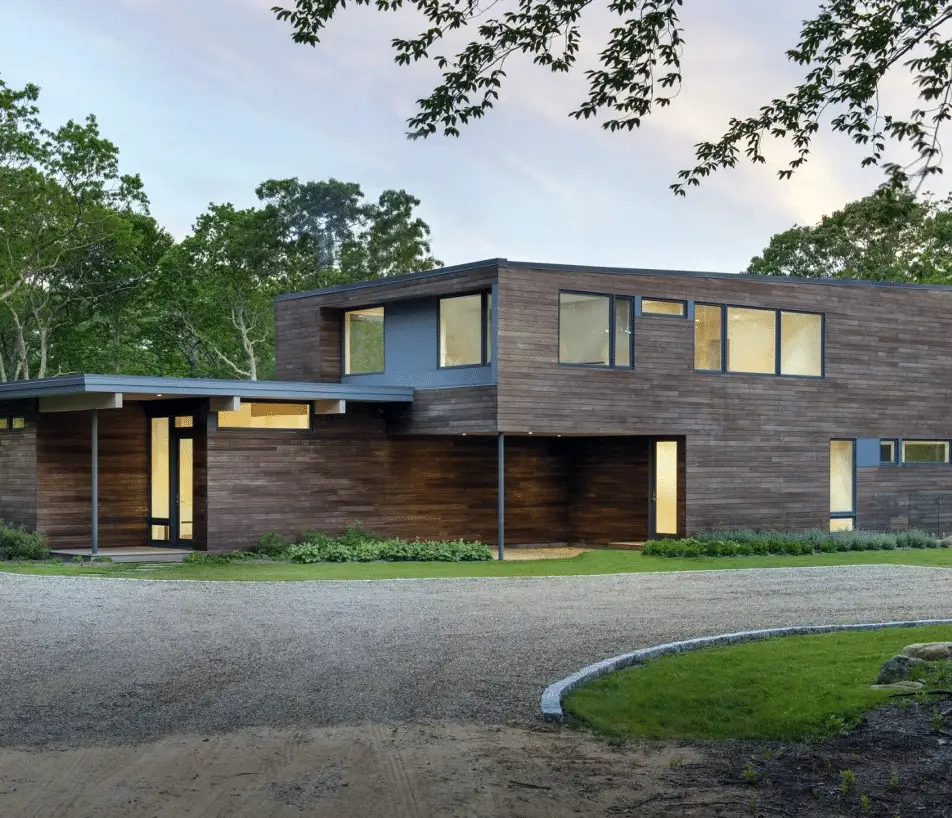
Bob Lennon: As interest grows, so does the risk of inconsistency. “Thermally modified wood” is sometimes used as a marketing term rather than a technical one, and without clear standards, customers cannot reliably compare products or trust performance claims.
Rigorous testing and quality assurance protect the integrity of the category and ensure manufacturers are producing true thermally modified wood, not simply heat-treated material.
This is where organizations like ITWA play a critical role. As a board member, I help support the development and oversight of the ThermoWood® quality system, which sets clear expectations for process control, classification, and performance. Bringing that discipline into the North American market is essential for long-term credibility and growth.
In Europe, thermally modified wood has benefited from established standards and classifications. What can North America learn from that approach?
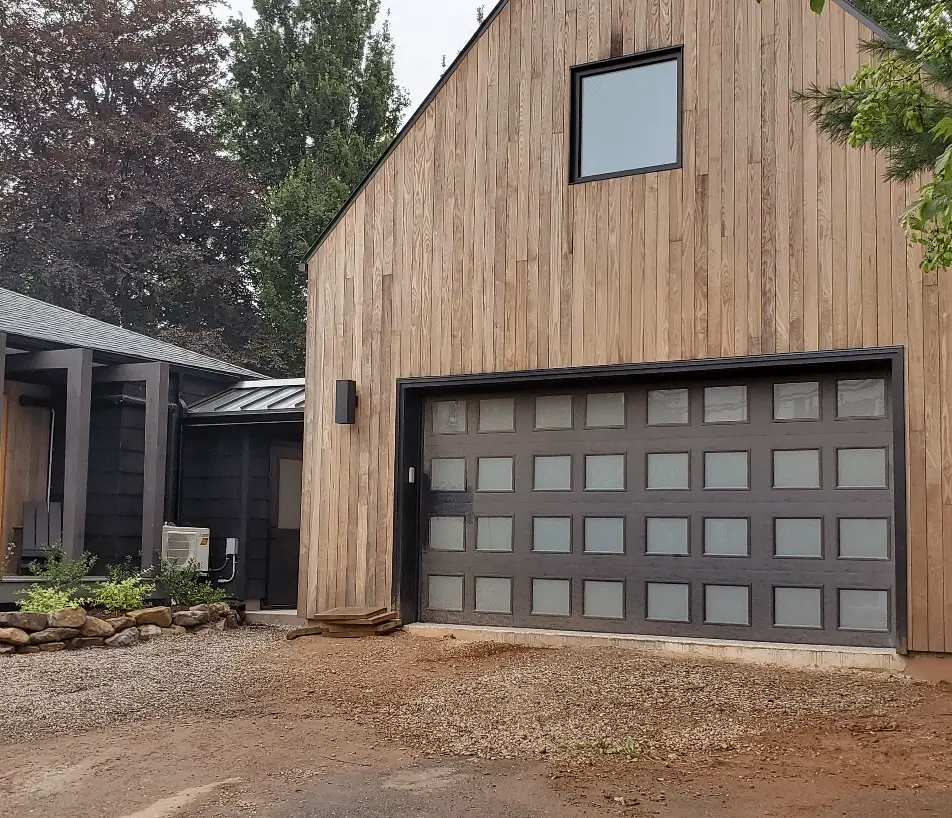
Bob Lennon: Europe’s success is built on structure: shared terminology, defined modification classes, and a unified quality system that manufacturers must follow. That clarity has allowed architects, engineers, and builders to specify thermally modified wood with confidence.
North America can benefit from adopting the same principles. Through ITWA, we have access to decades of research, proven classification systems, and a global network of producers who have refined the technology over time.
My role on the ITWA Board allows me to help translate those lessons into a North American context, ensuring that as the market grows here, it does so with the same level of transparency and technical rigour that has made ThermoWood® successful in Europe.
The future of thermally modified wood products.
Looking ahead, what opportunities excite you most for the future of thermally modified wood, and what message would you share with those considering it for their next project?
Bob Lennon: The most exciting opportunity is the expansion of domestic species into new applications. As more manufacturers invest in thermal modification, the range of available products will grow.
My message to designers and builders is simple: explore it. The performance is proven, the sustainability benefits are real, and the aesthetic possibilities are tremendous. It is a technology whose time has come in North America.