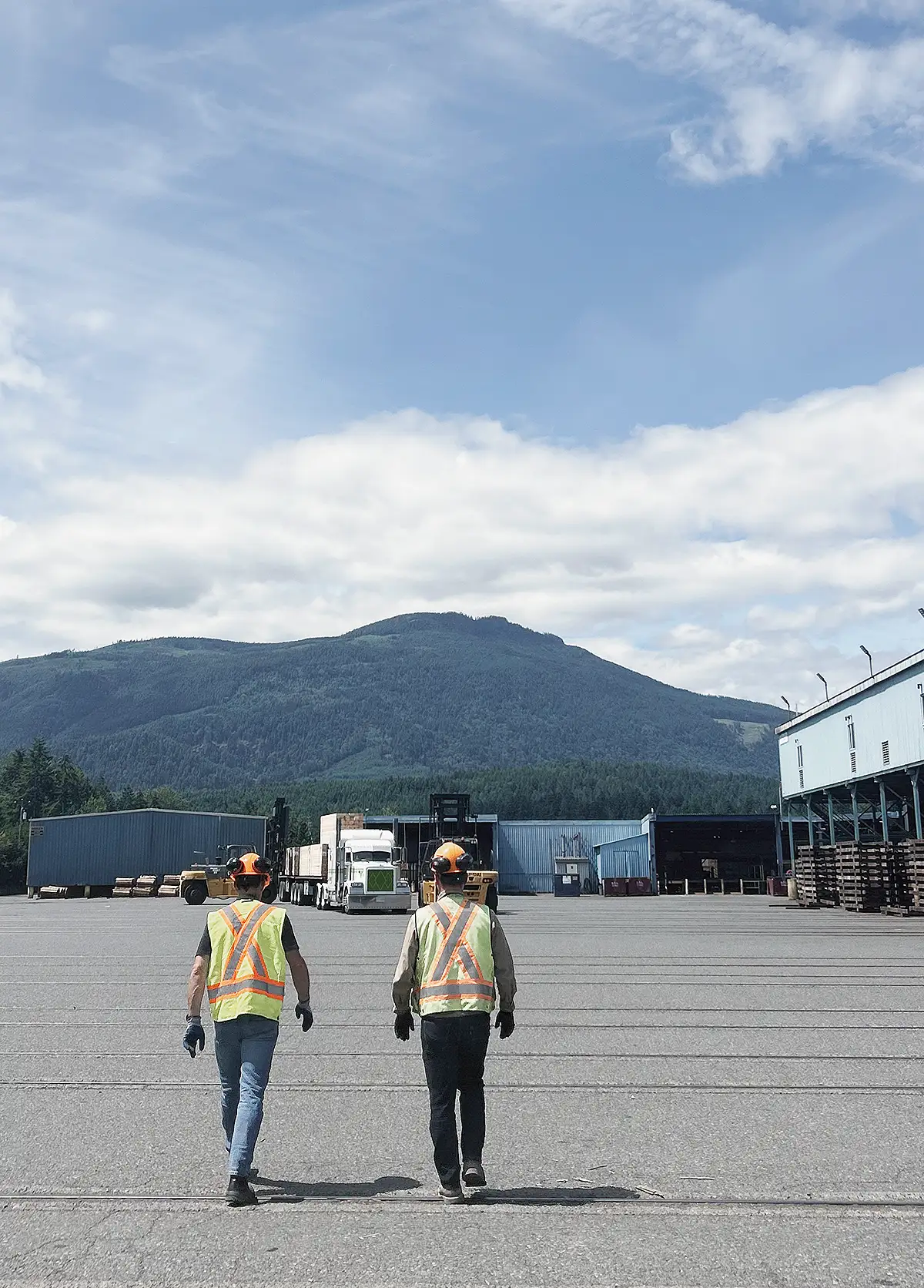
Behind Western’s new thermal modification kiln is a story of local expertise, global technology, and a team building something new on Vancouver Island. Through the perspectives of AJ Gale and Jarrad Astren, this feature explores the planning, problem-solving, and collaboration behind the project, and how it is helping shape the next chapter for value added coastal B.C. wood.
Bringing world leading wood technology to Vancouver Island takes more than equipment. It takes people, planning, and a team willing to build something new.
On Vancouver Island, forestry has always been close to home. It is part of the economy, the landscape, the trades, the mills, and the communities that have grown around them. But every so often, the work being done inside a local manufacturing site points to something bigger, a new way to use the fibre we have, create more value here in B.C., and open the door to new possibilities for wood in modern design. Western’s thermal modification kiln is one of those projects.
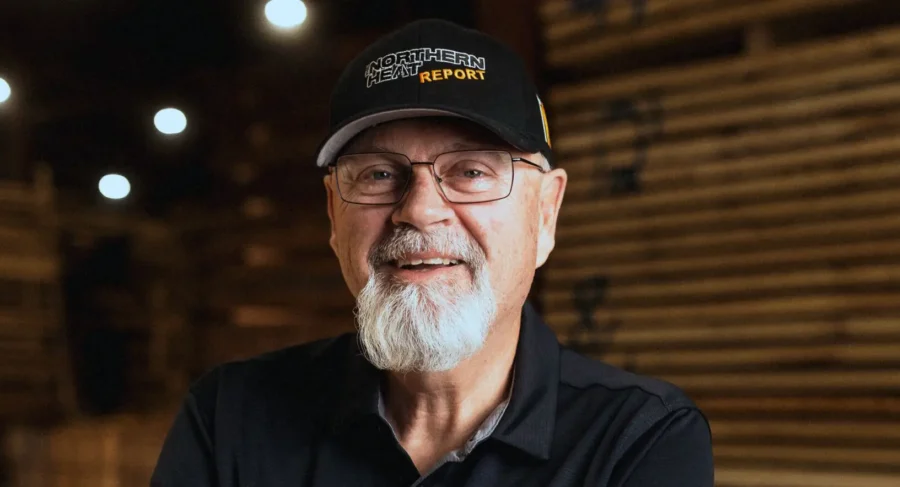
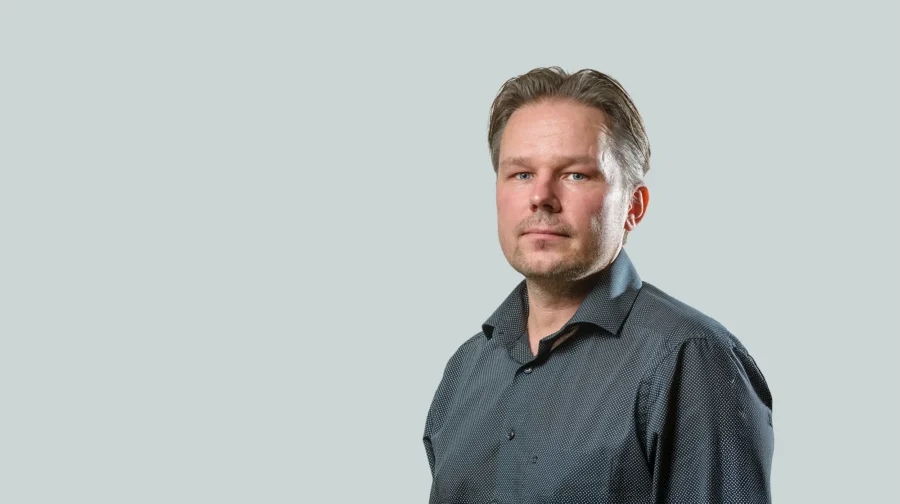
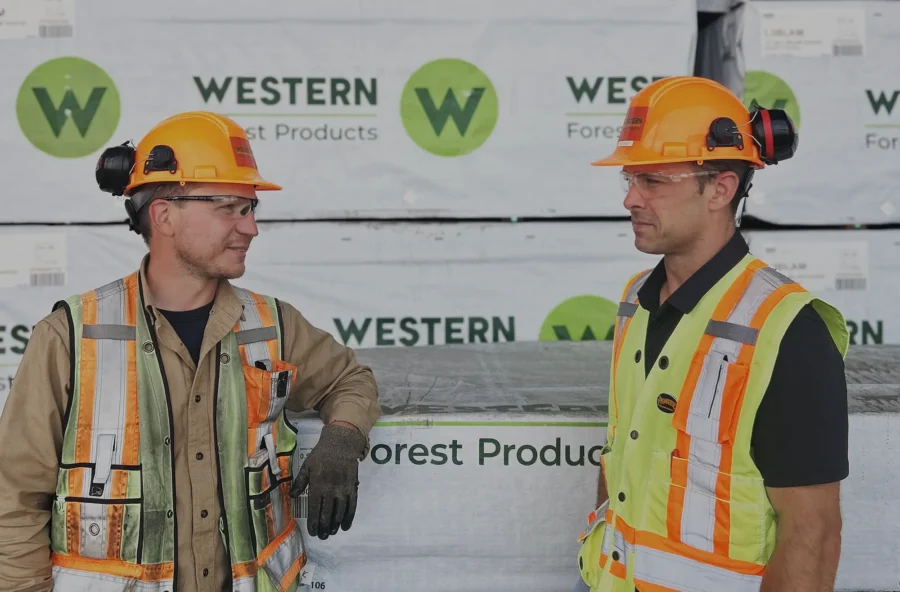
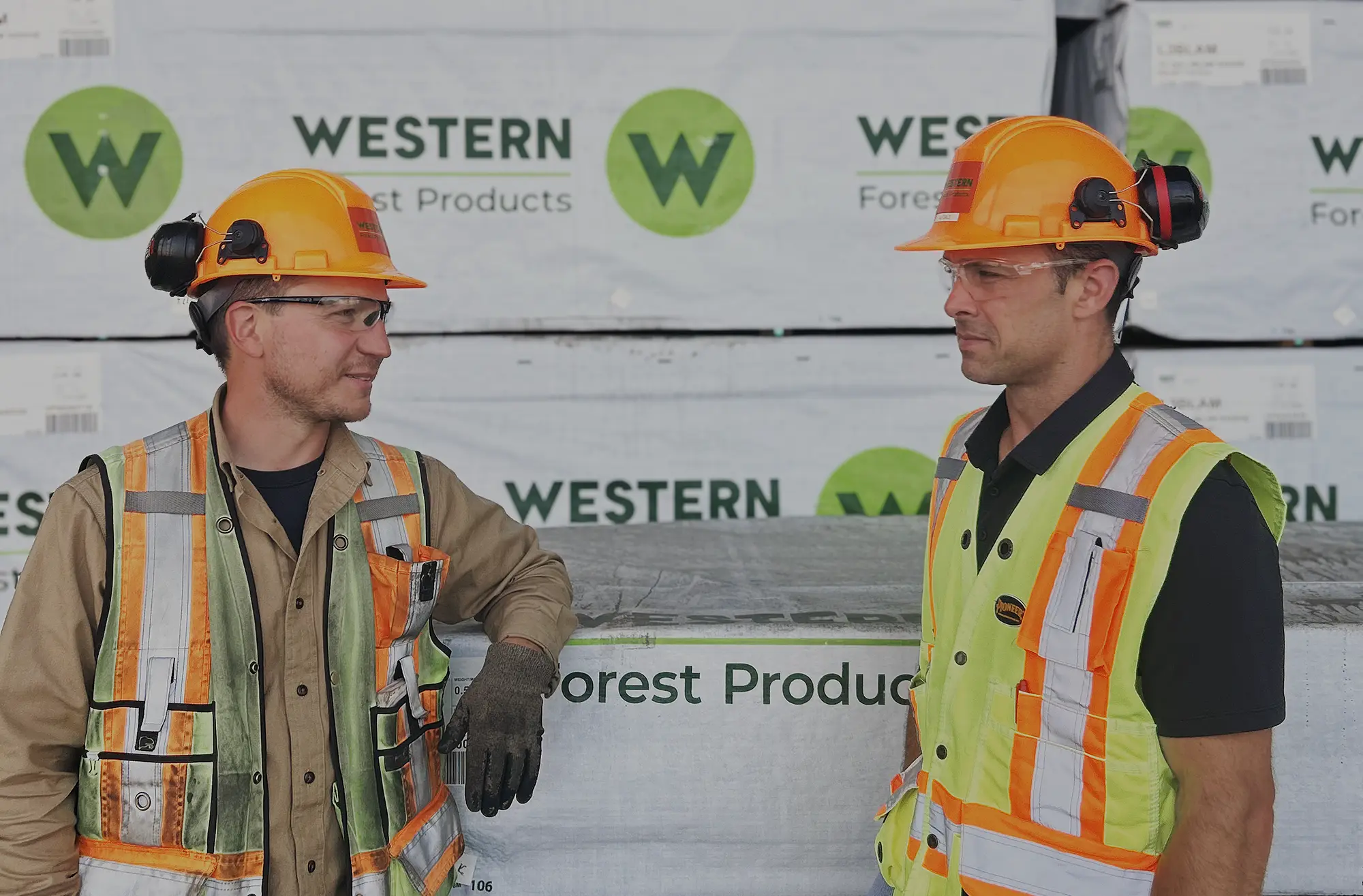
To share a closer look at the work behind the kiln, we spoke with two members of the team helping bring the project from concept to commissioning, AJ Gale, Manager, Operations at Western, and Jarrad Astren, Project Engineer, Capital Projects at Western. Together, their work reflects both sides of the project, the technical effort of bringing specialized equipment to Vancouver Island, and the operational planning required to turn new technology into a reliable production capability.
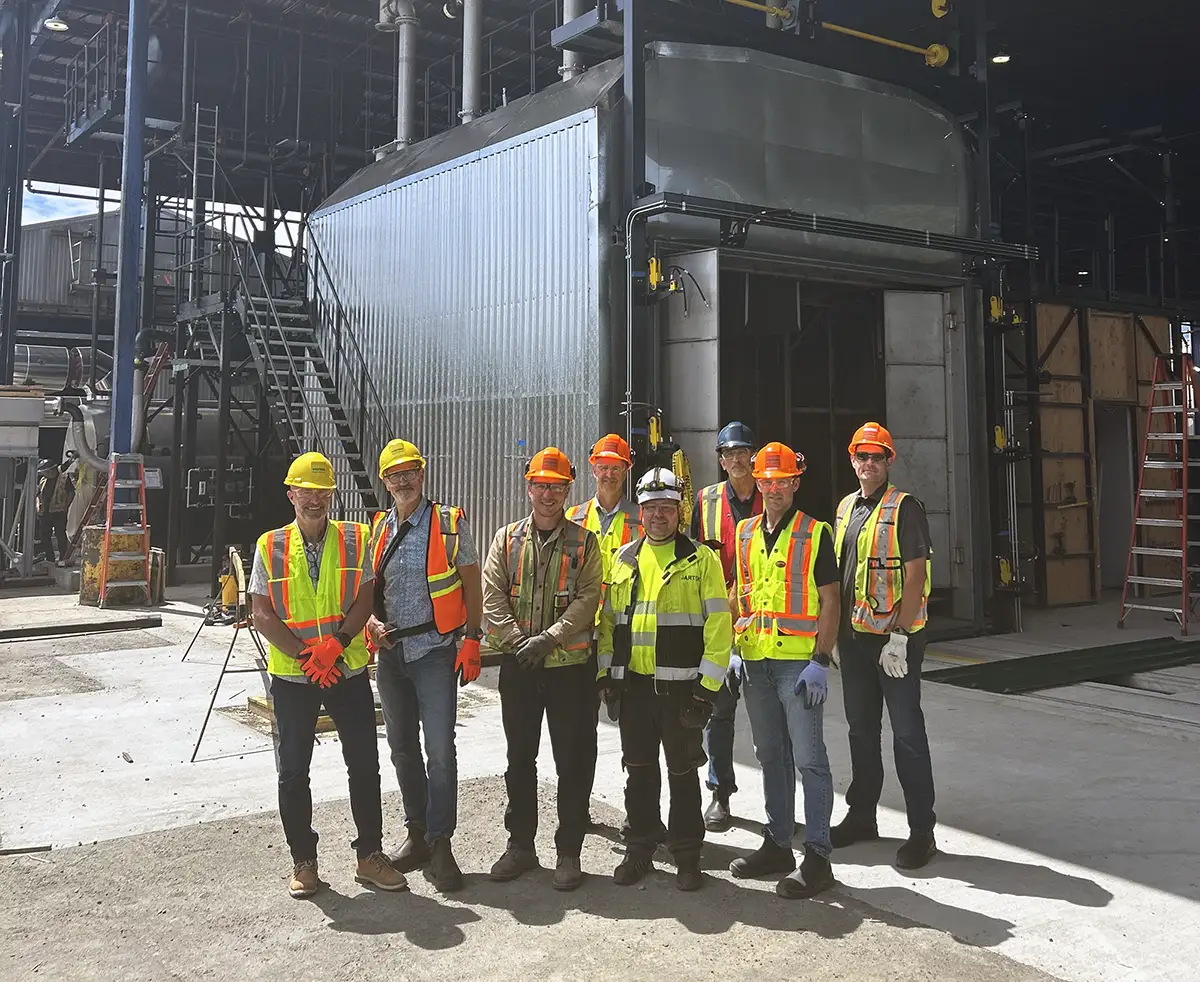
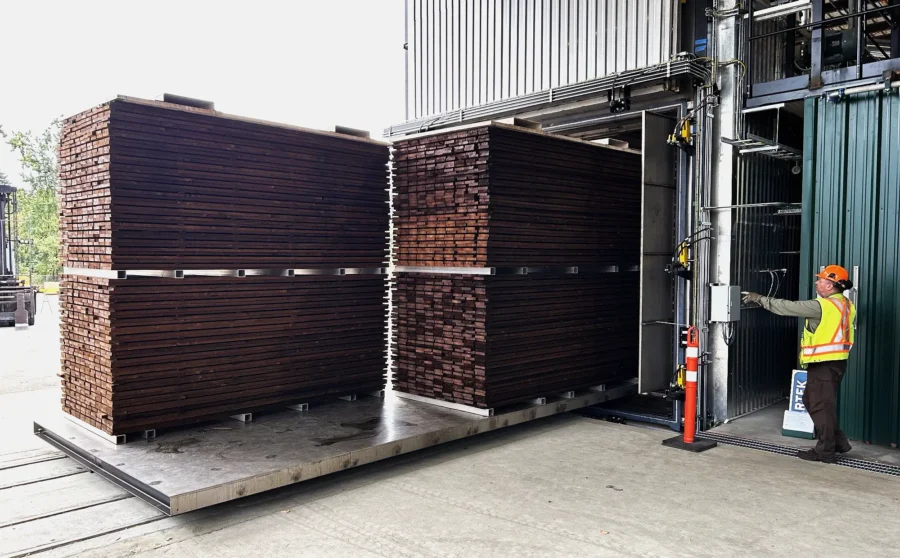
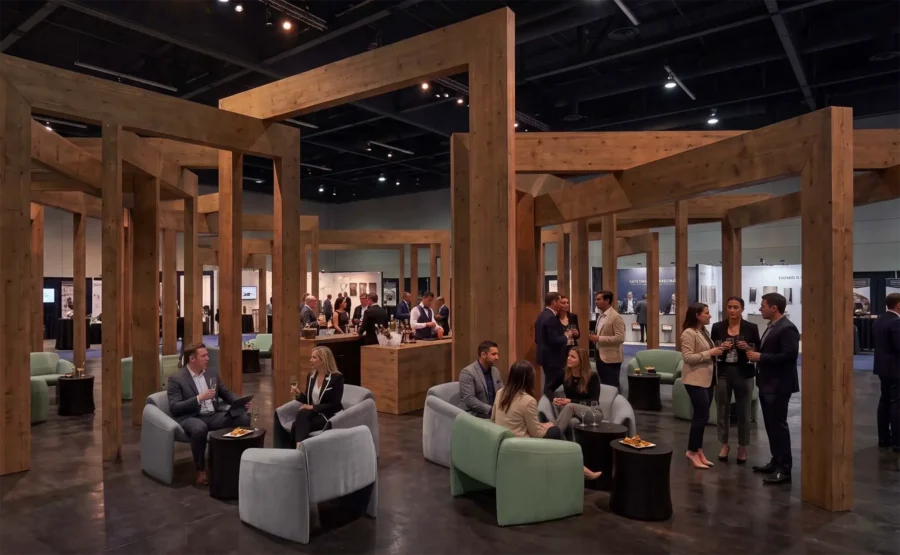
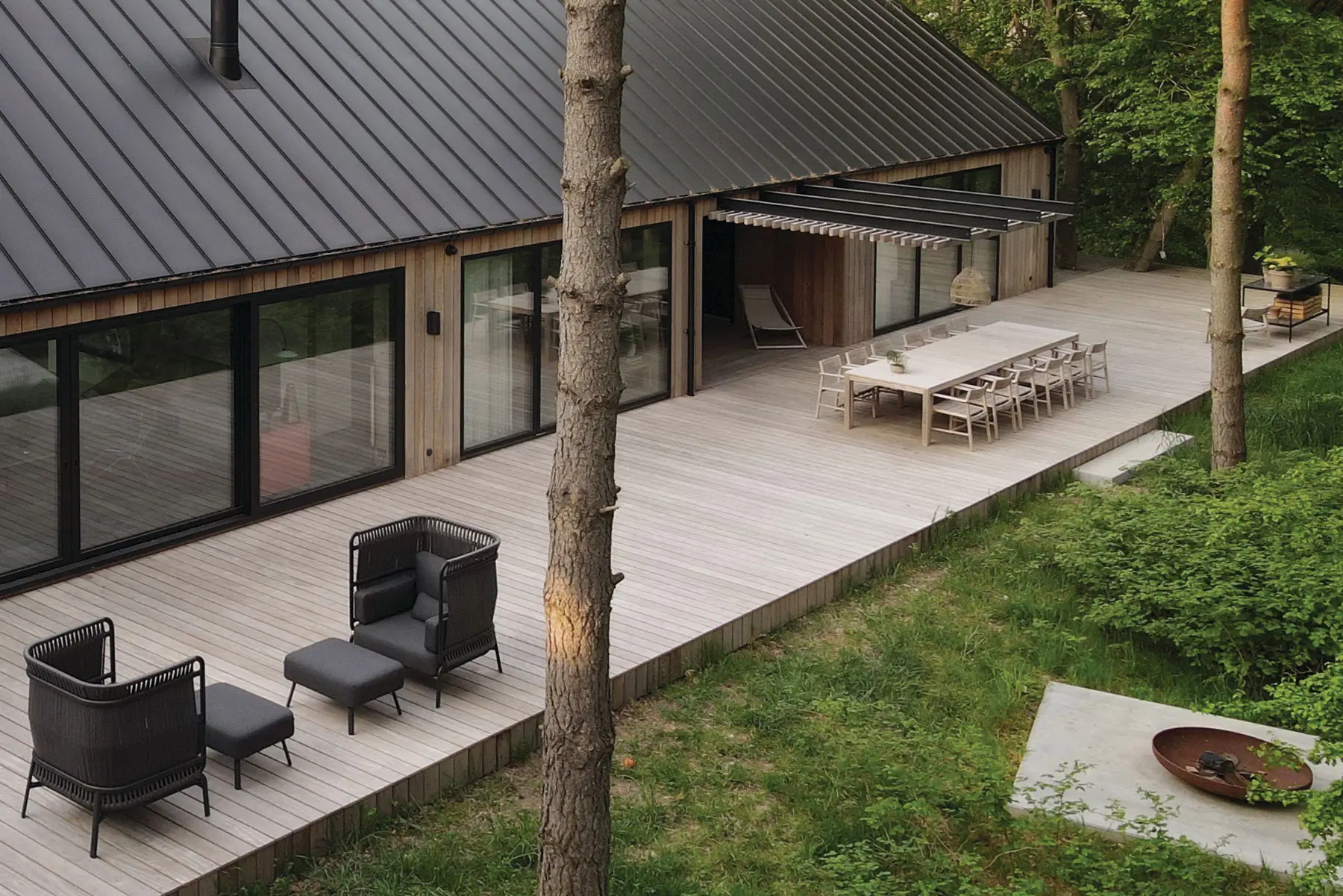
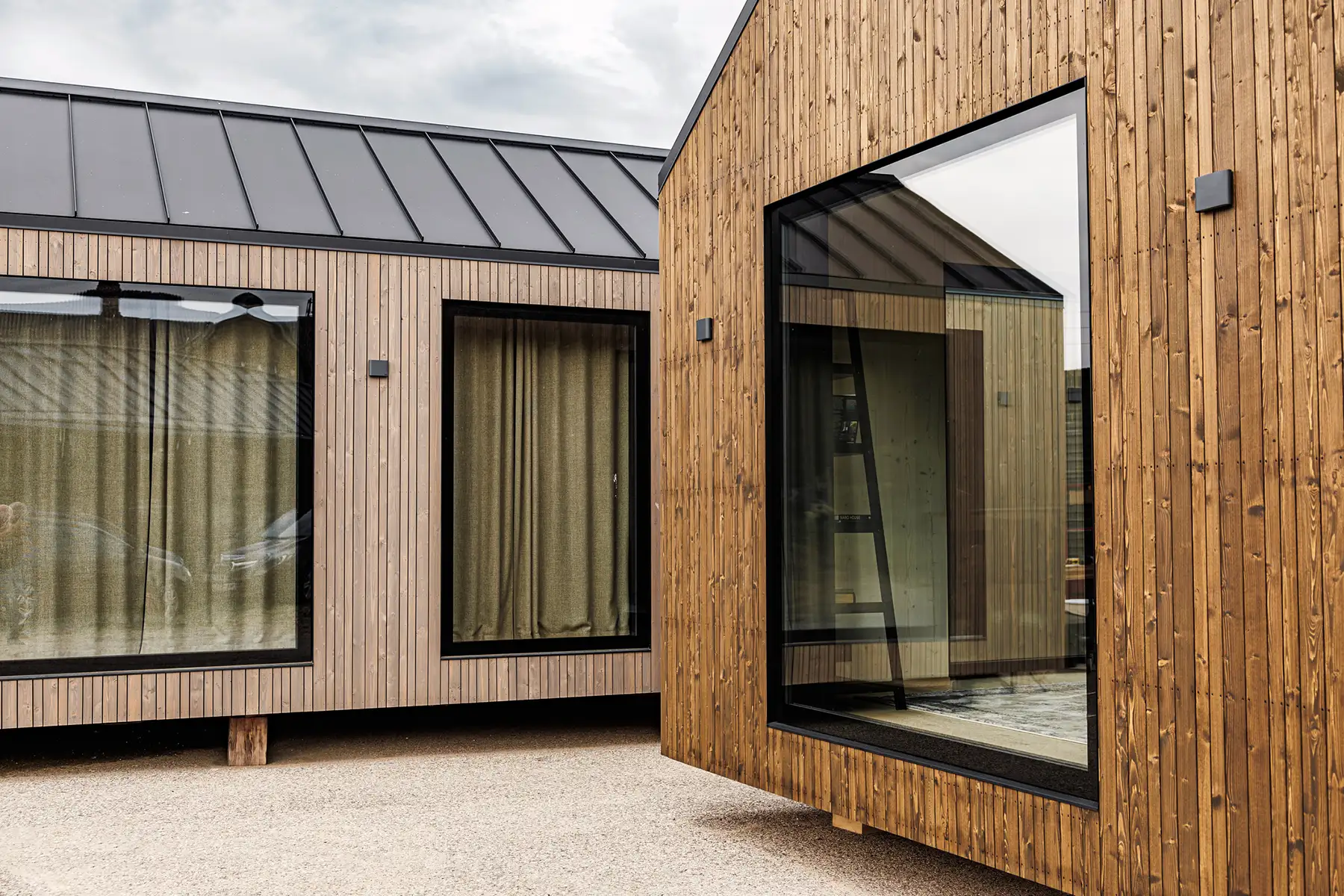
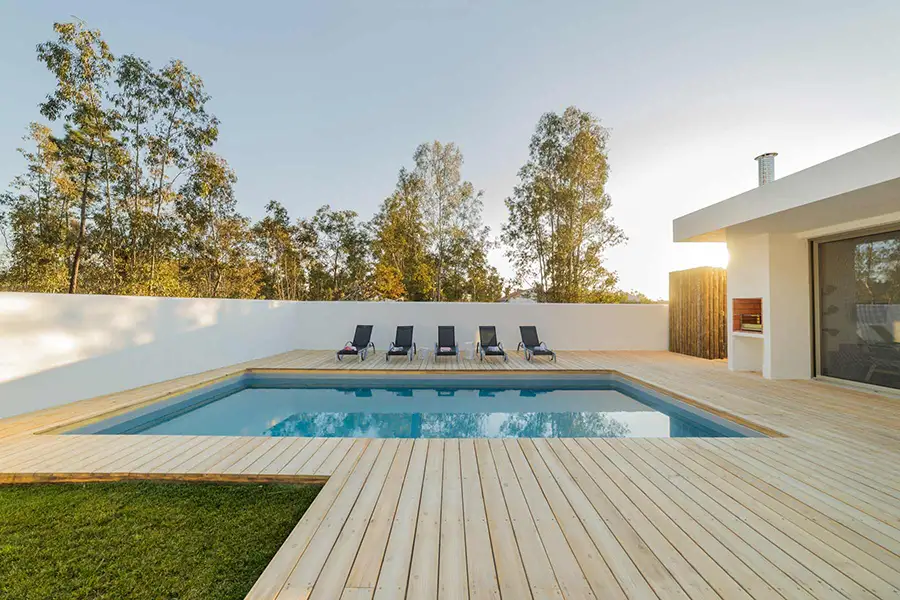
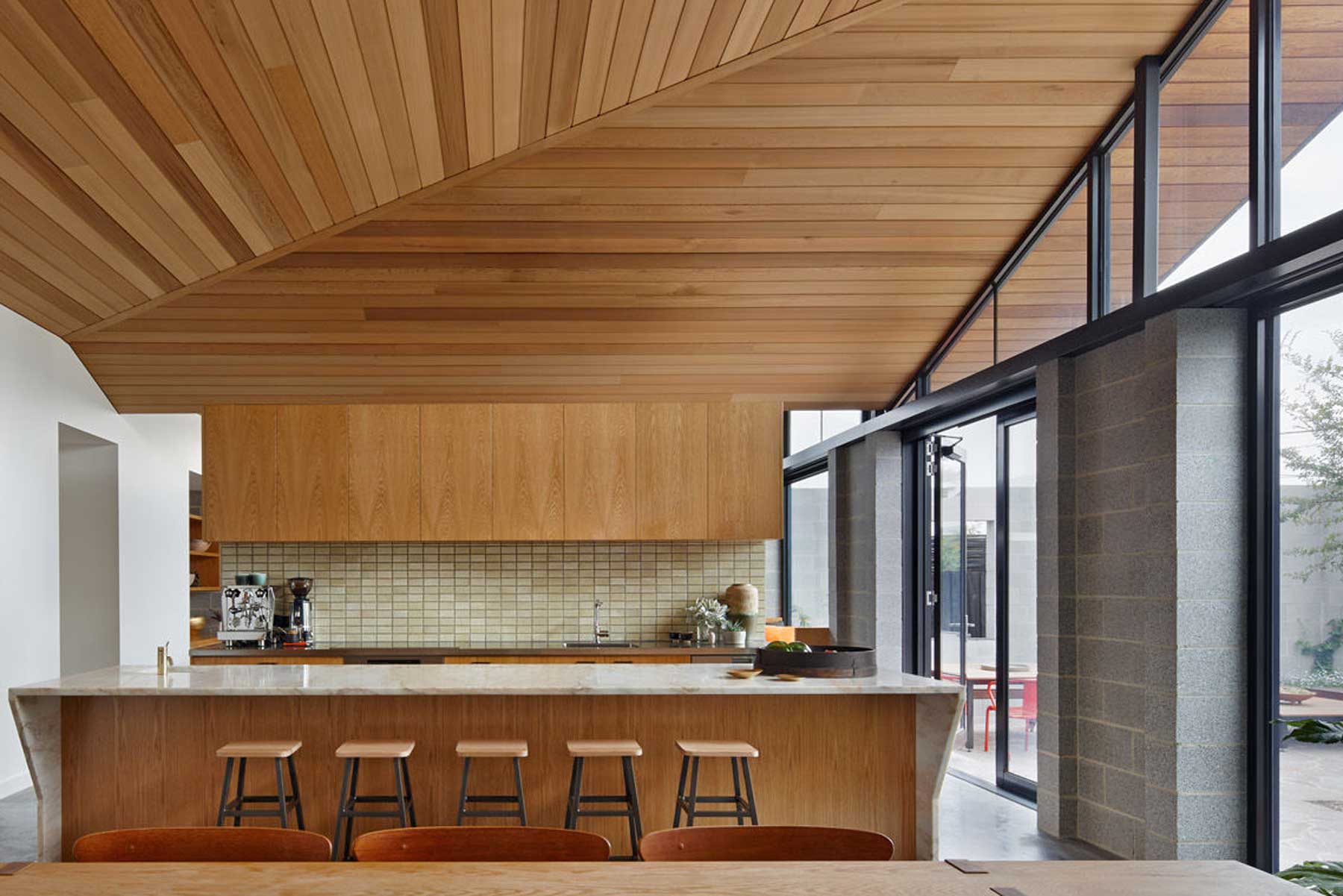
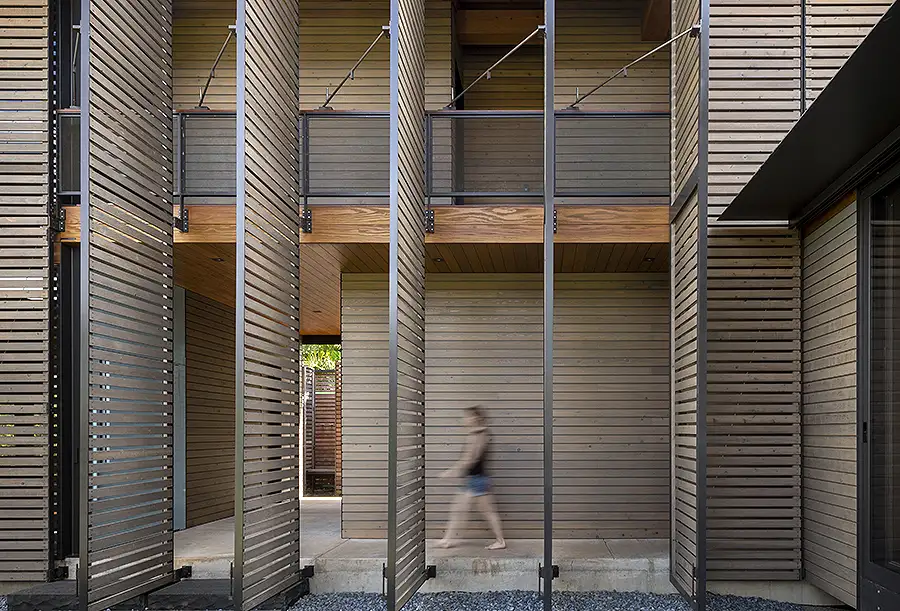
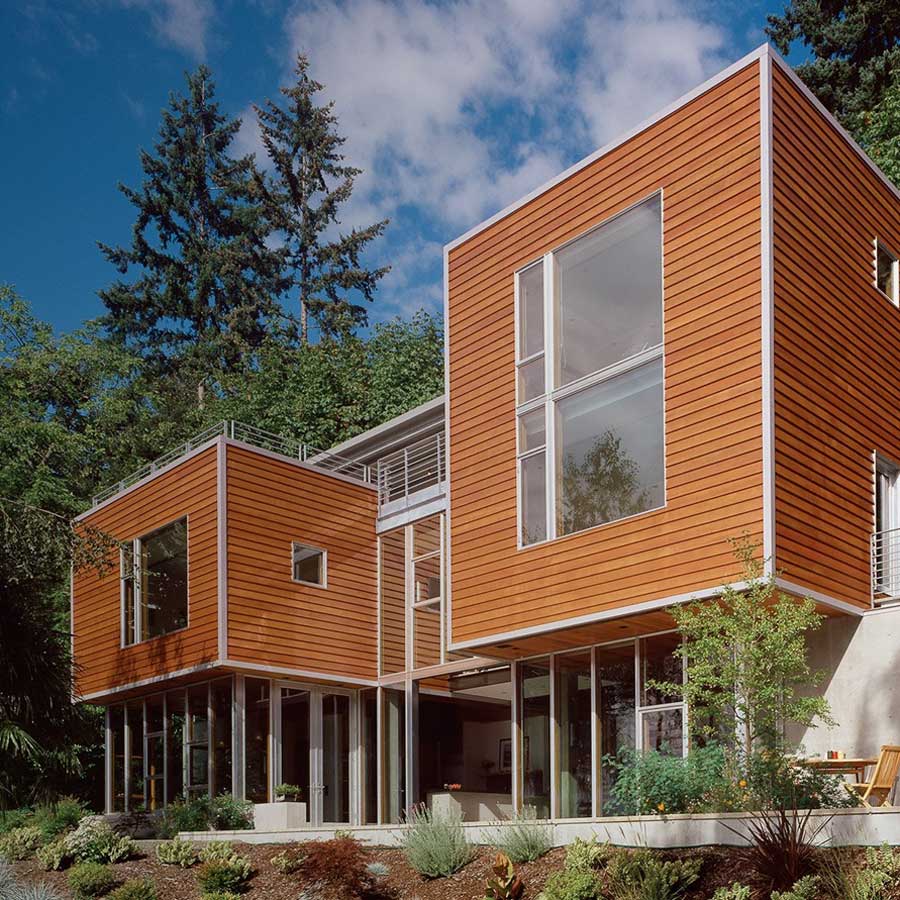
The technology itself is highly specialized. Using heat and steam, thermal modification changes the properties of wood to improve its stability and durability, helping create a higher value product for exterior cladding, soffits, decking, and other design forward applications. But behind the science is a very human story, a team taking a global technology, adapting it to a Vancouver Island operation, and preparing to run it safely, consistently, and at a commercial scale.
“From an operational perspective, my focus has been on ensuring we are fully prepared to run this equipment safely, efficiently, and consistently from day one,”
– AJ Gale, Manager, Operations
Preparing the Kiln for Production
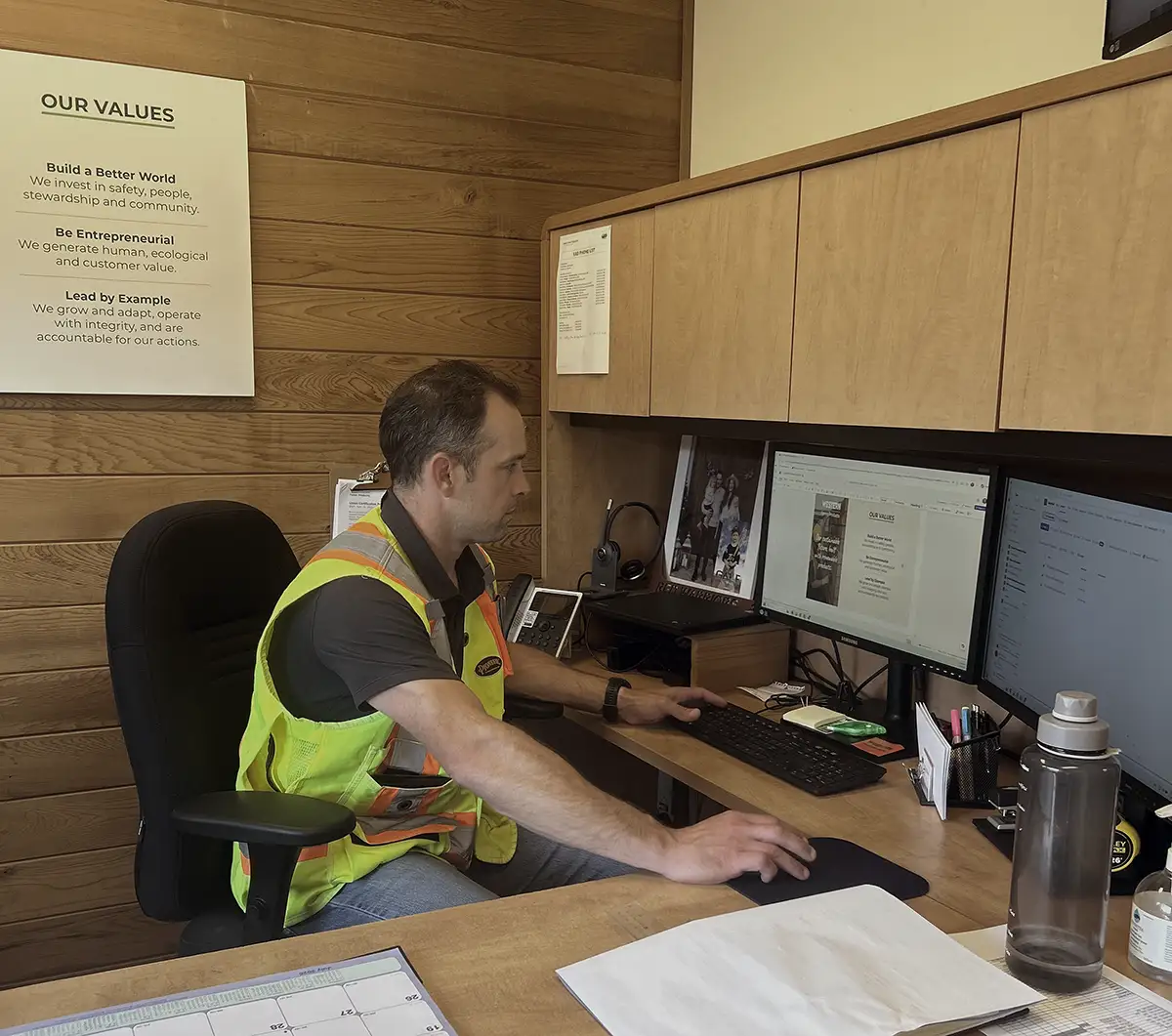
For AJ Gale, the project has been about making sure the kiln is not just installed, but truly ready to become part of daily operations.
That preparation has meant working across engineering, vendors, and site teams to understand the technology, support installation, and develop the procedures, training, and maintenance strategies that will help set the operation up for long-term success.
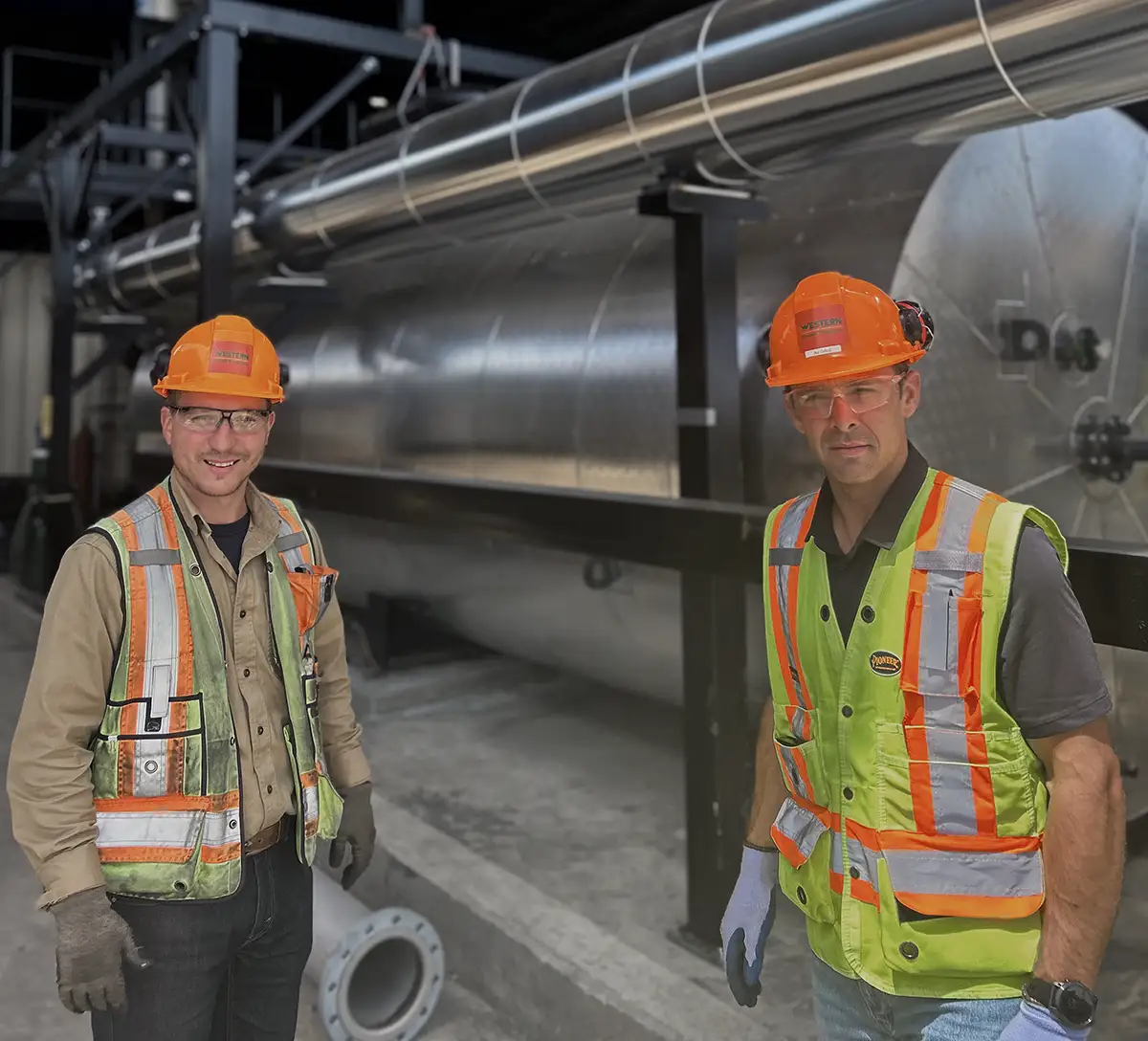
In other words, the kiln is only one part of the story. The bigger task is building the surrounding capability. AJ’s role has also been focused on connecting the capital project to daily mill operations, making sure the transition from construction to steady-state production is practical, safe, and well-supported.
Adapting Global Technology to Vancouver Island
For Jarrad Astren, who has been involved from project scoping through equipment layout, technical compliance, installation, testing, and commissioning, the project stands apart from more typical capital investments.
“This isn’t a run-of-the-mill capital project with an established playbook, it’s unique and challenging.”
– Jarrad Astren, Project Engineer, Capital Projects
Part of that challenge came from Western’s decision to partner with Jartek, a Finland-based supplier of thermal modification equipment and technology. Bringing European equipment into a B.C. industrial setting meant more than shipping a kiln across the world. It required careful interpretation, adaptation, and technical alignment.
Because the kiln is based on European technology, Jarrad and the project team had to work through a detailed process of translating equipment specifications for use in B.C., including technical, electrical, and regulatory requirements.
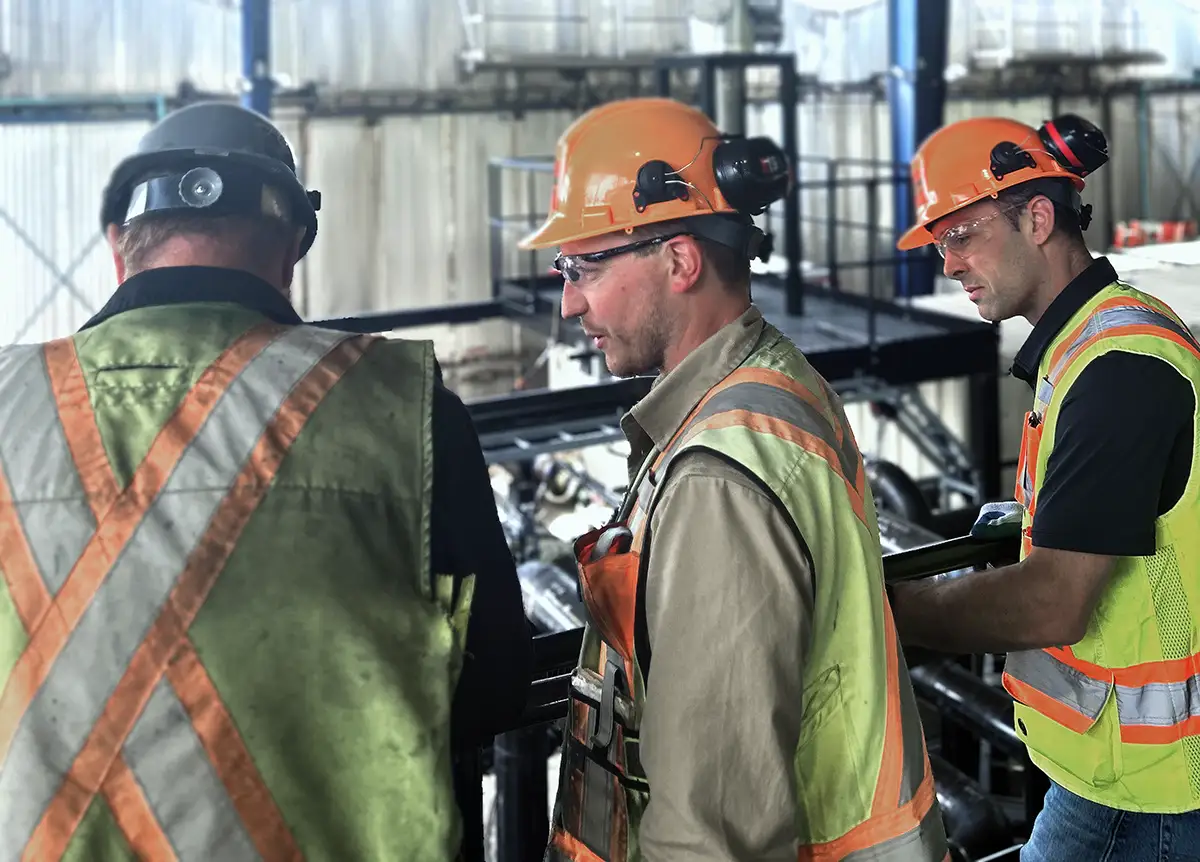
In practical terms, that included regulated systems such as thermal oil boilers, piping, and pressure vessels, which must meet Technical Safety BC requirements and North American standards. Some components required substitutions or extra engineering work. Electrical systems also had to be adjusted to match the site’s voltage and grid frequency.
That kind of behind-the-scenes work is not always visible from the outside. But it is essential to attracting new technology into a working manufacturing environment.
Built by Local Expertise
The project has also relied on a broad team of local and regional expertise. Western retained PE Tech, an engineering consulting firm based in Nanaimo, to support engineering and design, regulatory compliance, hazard assessment, and process integration. On the construction side, local Nanaimo and Ladysmith area contractors have helped bring the kiln into place, including RDC Projects for mechanical installation, Premier Fire Protection for pipe fabrication and installation, and KJ Contracting for electrical installation.
For Western, that local involvement matters. The kiln may be based on technology from Finland, but the project is being brought into operation by people and businesses with deep experience in Vancouver Island’s sawmill and manufacturing environment. For AJ, that is what makes the project meaningful.
“I’m truly grateful to be part of a company that is willing to invest in innovation and long-term capability. Projects like this don’t just add equipment. They create opportunities for people, teams, and the business as a whole.”
– AJ Gale, Manager, Operations
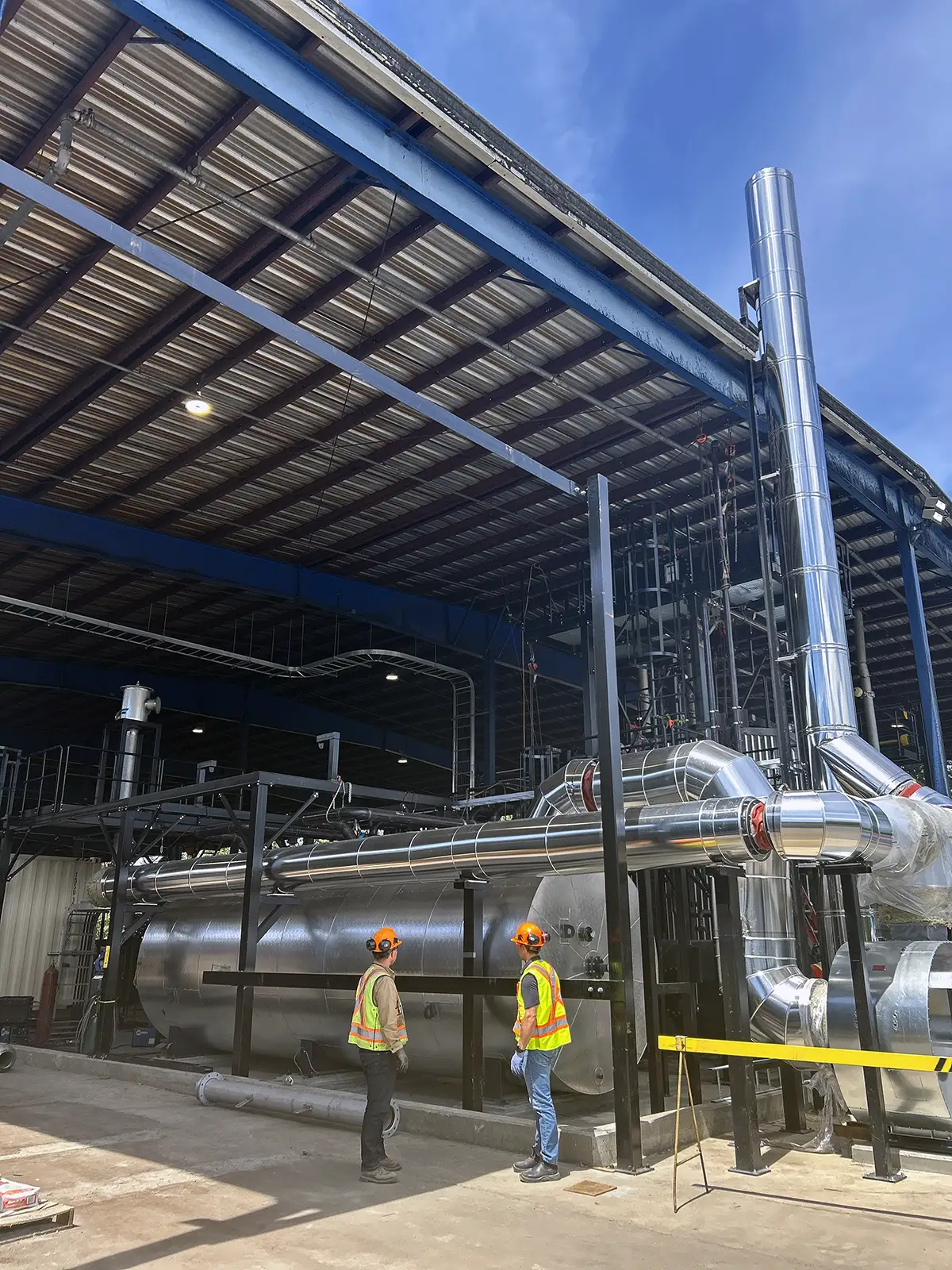
The timeline reflects the scale of the effort. Western first met with Jartek in spring 2025 to develop the specifications for the kiln and heating system. The equipment supply contract was signed in May 2025, followed by months of technical design and specification work. Equipment fabrication took place in Finland and Germany through the second half of 2025, with shipping to site through the first quarter of 2026. Site preparation began in April 2026, and equipment arrived in late May.
From there, construction and installation began immediately, followed by commissioning and testing before the kiln moves into production. In total, the project involved roughly a year of planning and design, followed by site preparation, construction, commissioning, and testing before the kiln could move toward operation.
Creating More Value From Local Fibre
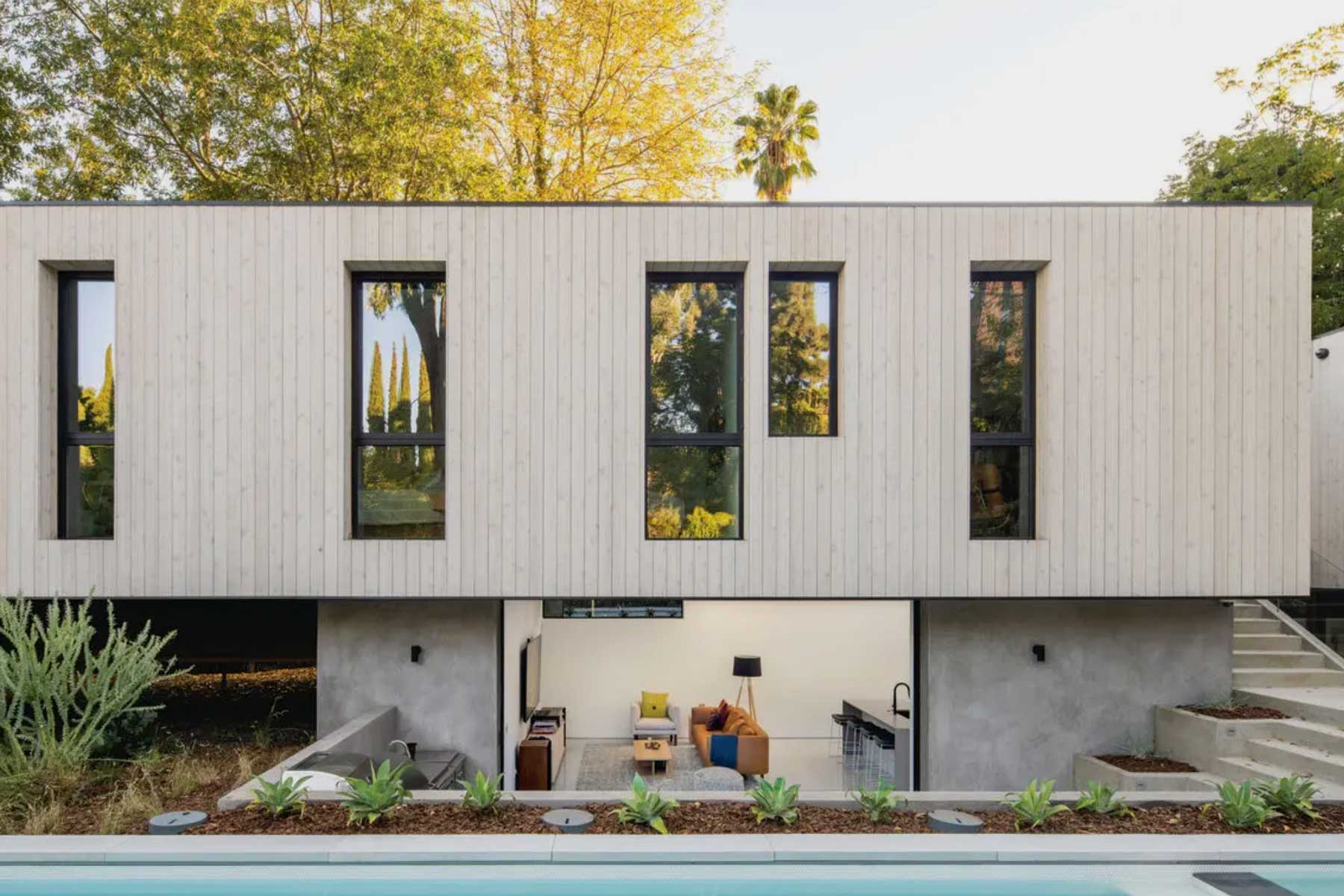
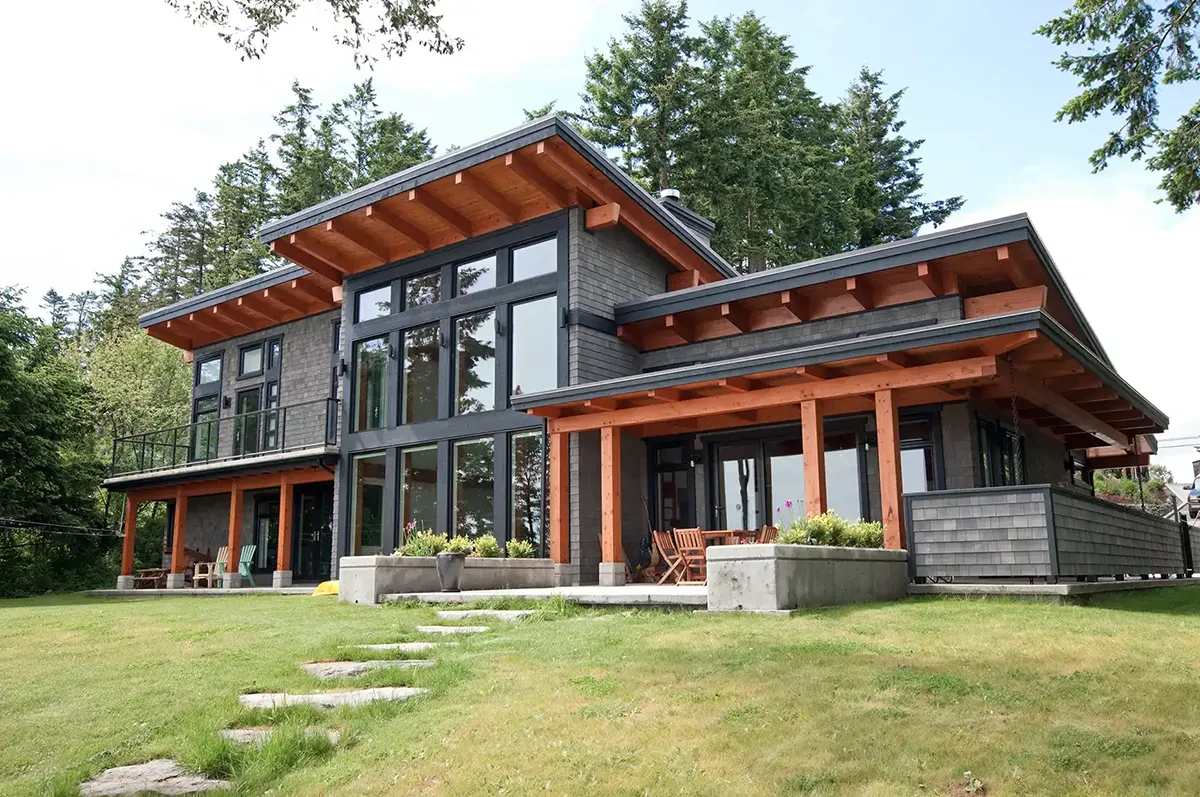
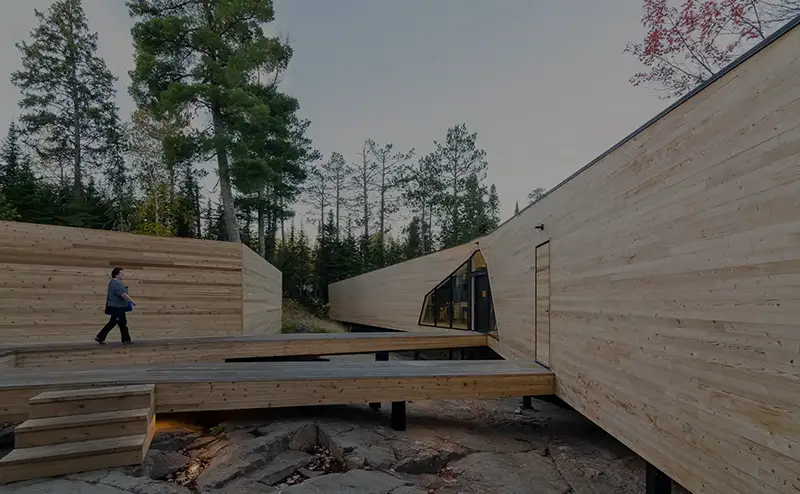
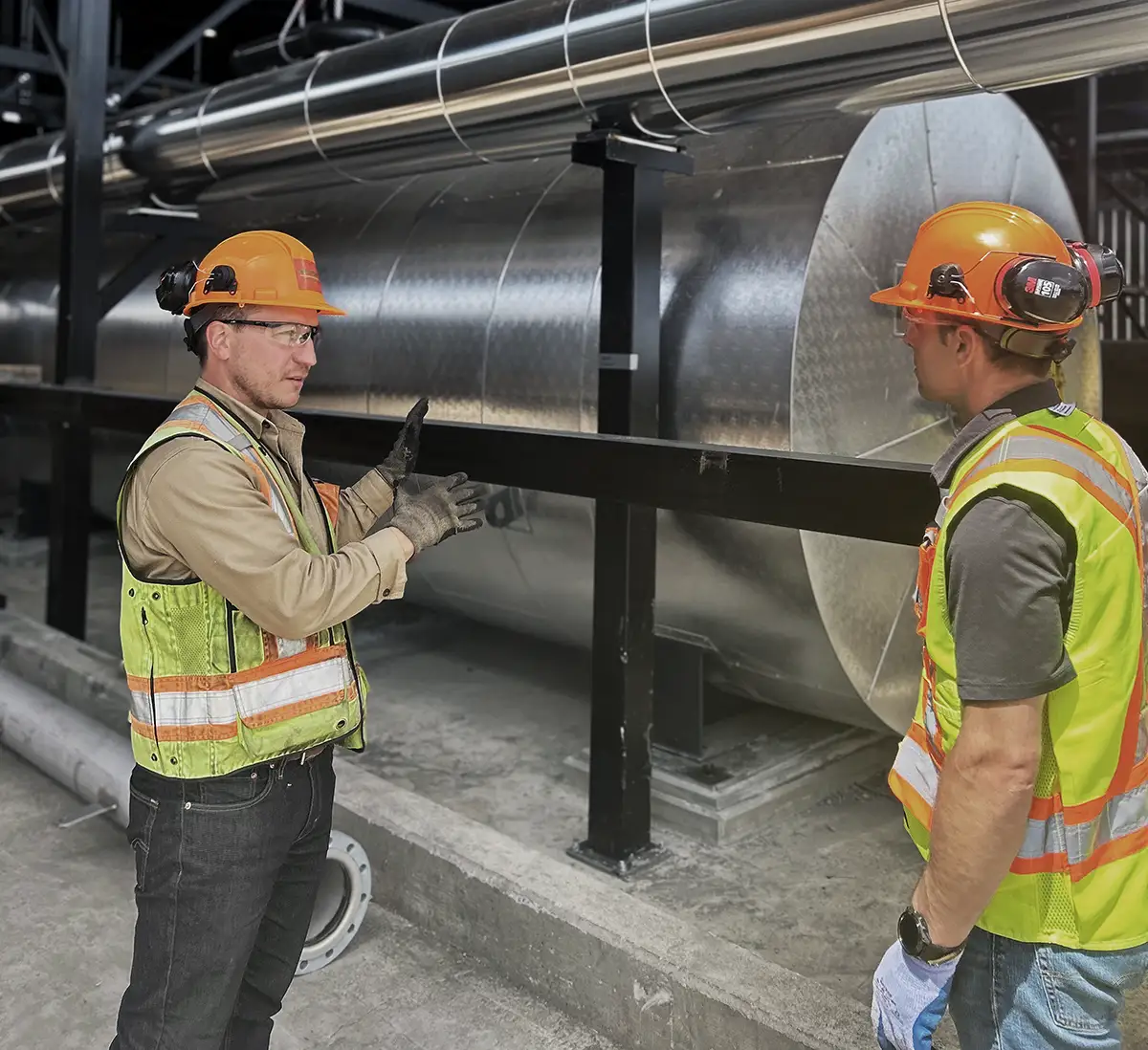
For architects, builders, and homeowners, the result is more than a new piece of equipment. It is the beginning of a new value added product chain for coastal B.C. Hem-Fir.
Having a thermal modification kiln on Vancouver Island allows Western to take locally abundant species and transform them into products with enhanced performance characteristics and broader design applications. It also gives Western greater control over quality, production flow, and alignment between fibre supply, manufacturing, and end use.
For AJ, the investment opens the door to a unique, high-value product that can help differentiate Western in the marketplace. For Jarrad, the opportunity is also tied to responsibility, making more from the local fibre basket and adding value to products that have traditionally been lower value.
The work is technical. It is complex. It involves engineering, safety systems, training, commissioning, and coordination across multiple teams. But it is also deeply practical and local. It is people on the Island preparing a new manufacturing capability that could help shape the next generation of wood products from coastal B.C.
For Jarrad, the project has confirmed what a committed team can do when there is no established playbook.
“This tells me that if we can do this, we can do anything.”
And when asked what he wants people to take away from the project, his answer is simple:
“We’re just getting started.”