
How Western Forest Products conserves ecosystems and builds climate-resilient forests across 1.62 million hectares of coastal British Columbia.
Forest stewardship means planning far into the future.
Western Forest Products manages approximately 1.62 million hectares of coastal British Columbia forestlands, comprising 1,313,141 hectares of forested land and 306,632 hectares of non-forest land as of 2024. These operations are subject to some of the most stringent forestry regulations in the world, verified through third-party certification, government inspections, and independent oversight from BC’s Forest Practices Board. BC’s Chief Forester sets sustainable harvest levels every 10 to 15 years, and Western’s practices are further validated through public advisory groups that review performance and inform forestry practices.
Reforestation and climate adaptation.
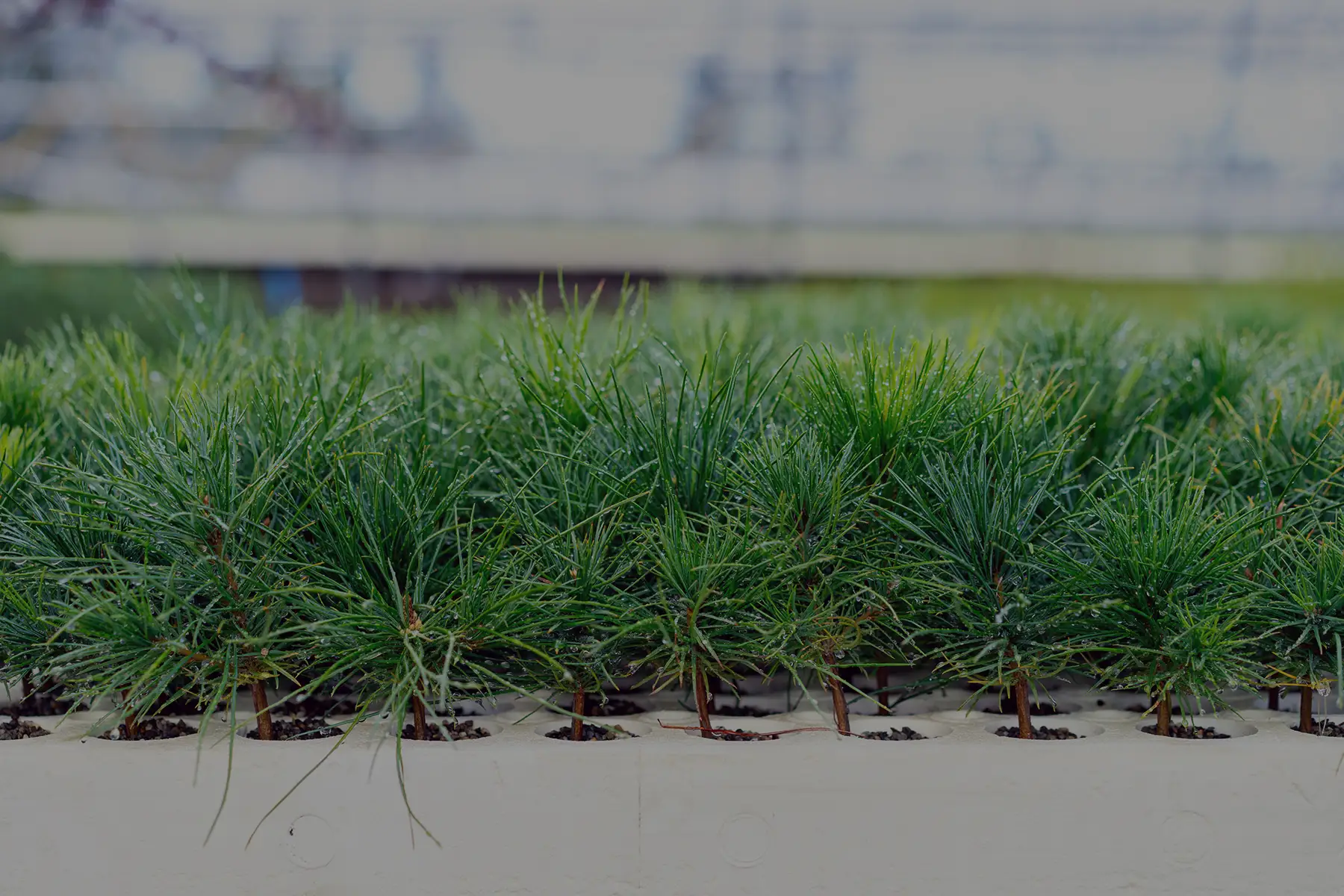
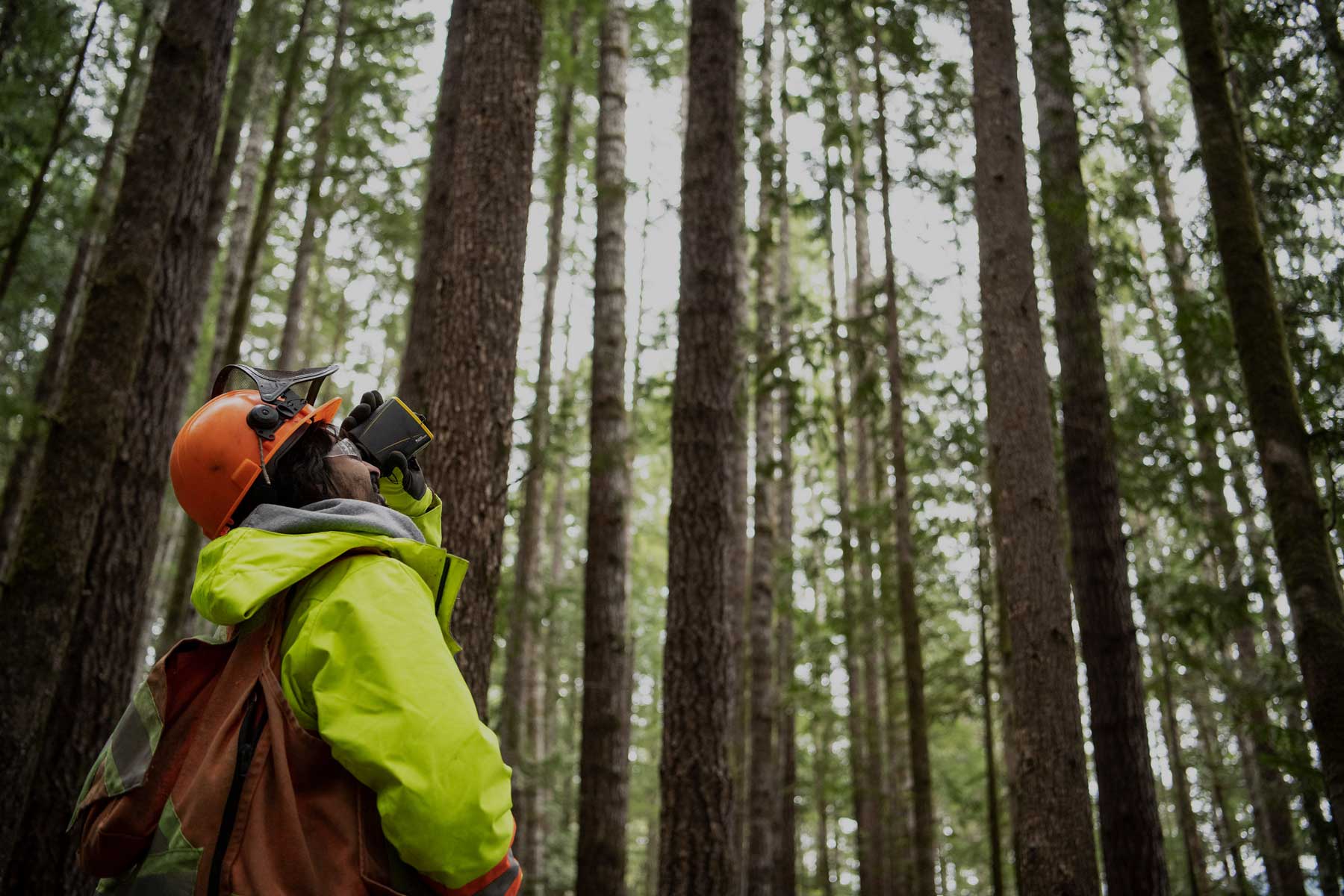
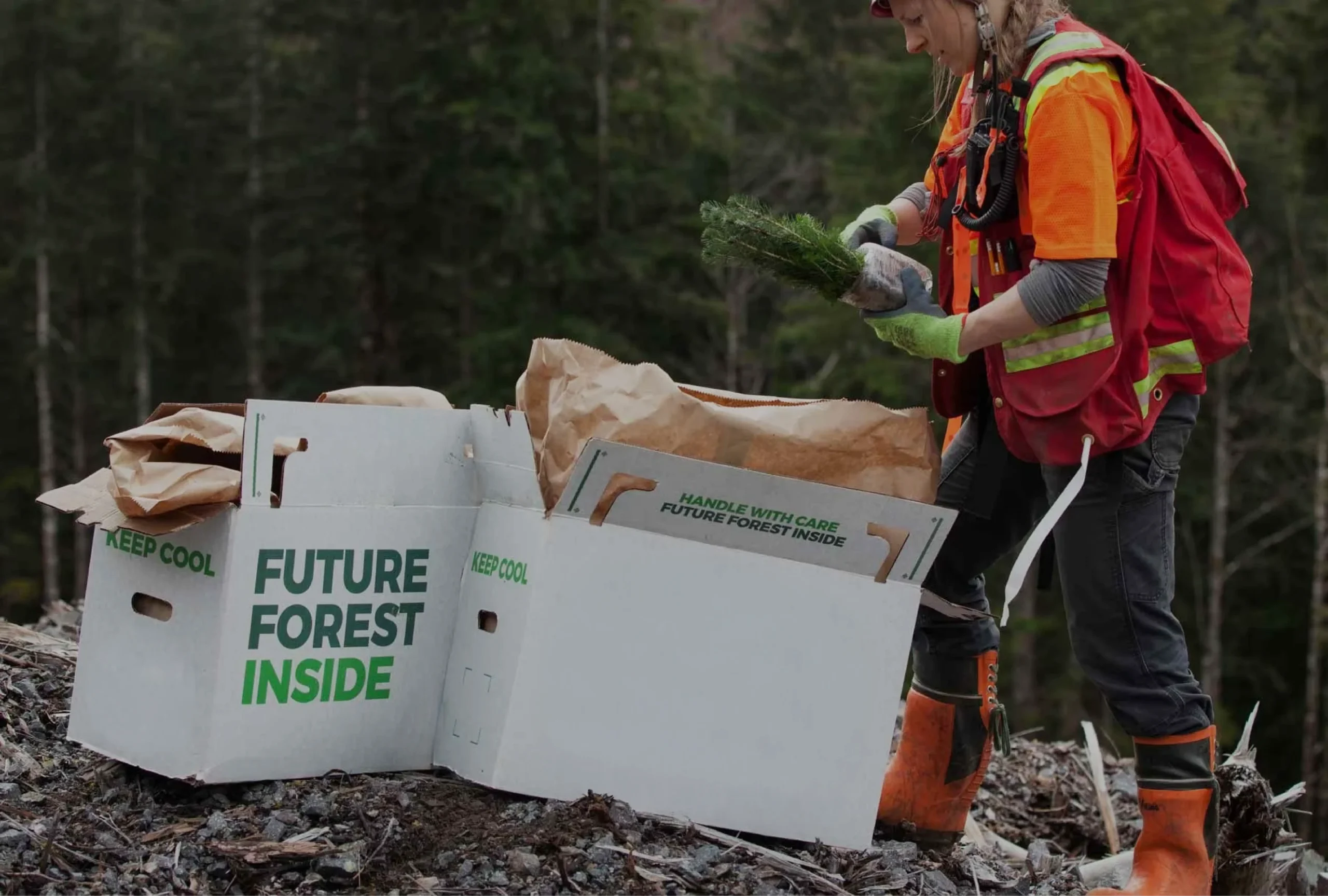
At Western, forest stewardship means planning far into the future, from seed supply at the Saanich Forestry Centre to monitoring and caring for forests, helping forests stay healthy and resilient. After harvest, we replant each area with tree species suited to the local environment and future climate conditions.
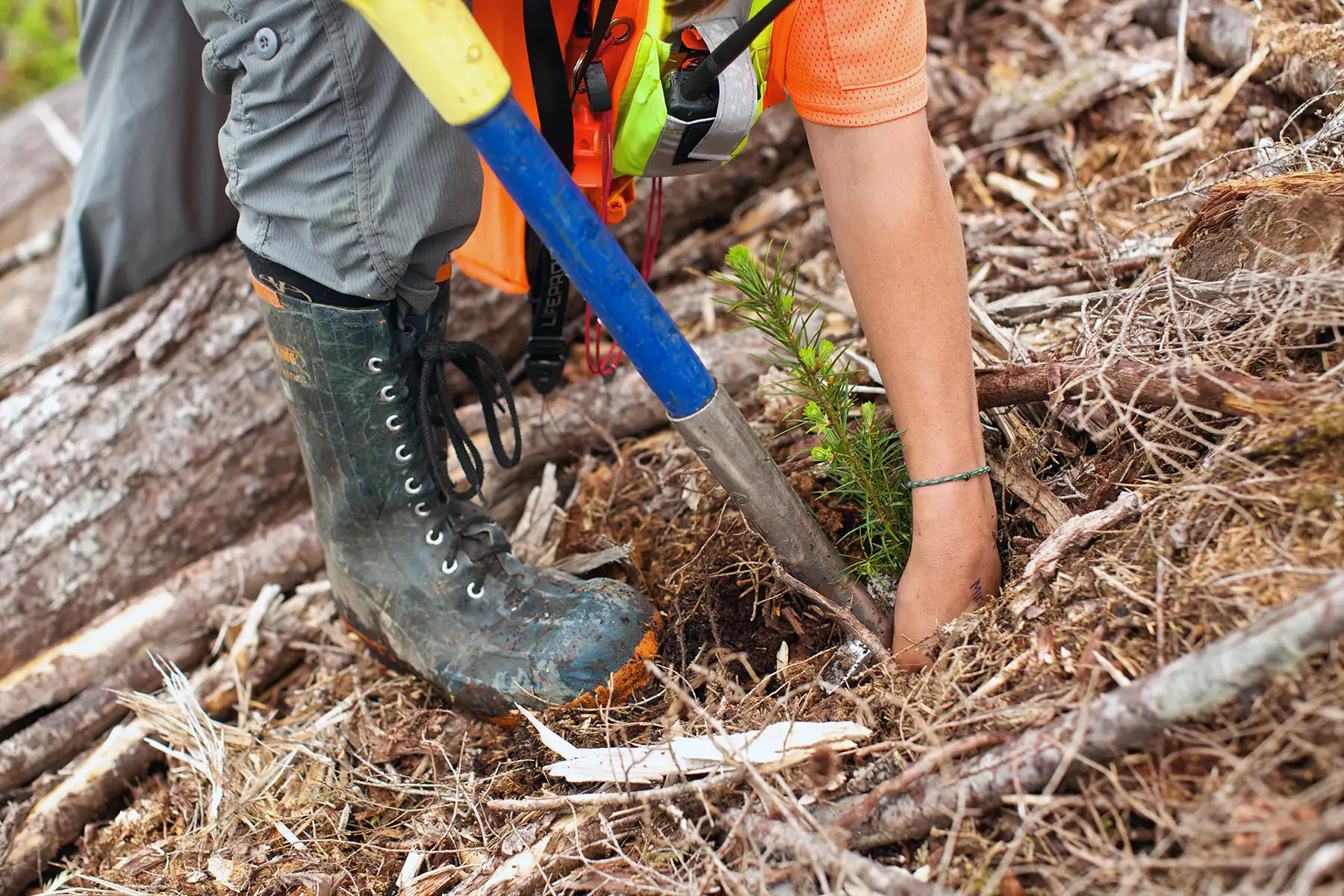
In 2024, Western planted 4,454,088 seedlings across its tenures, including Douglas Fir (39%), Western Red Cedar (31%), and Western Hemlock (19%), established in areas suited to their future optimal growing range through climate-based seed transfer. Through careful selection, these seedlings are anticipated to yield 14% more volume compared to naturally regenerated stock.
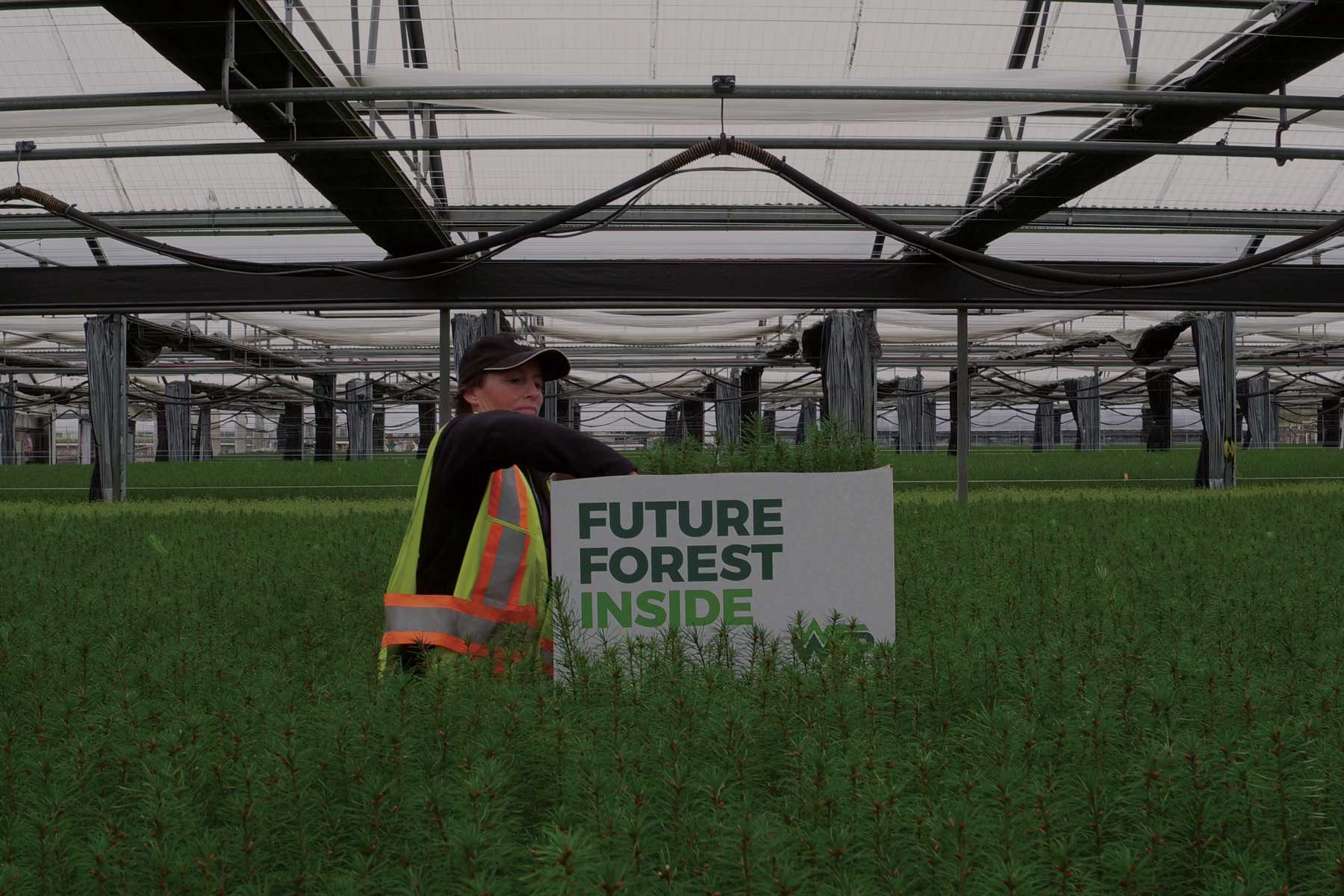
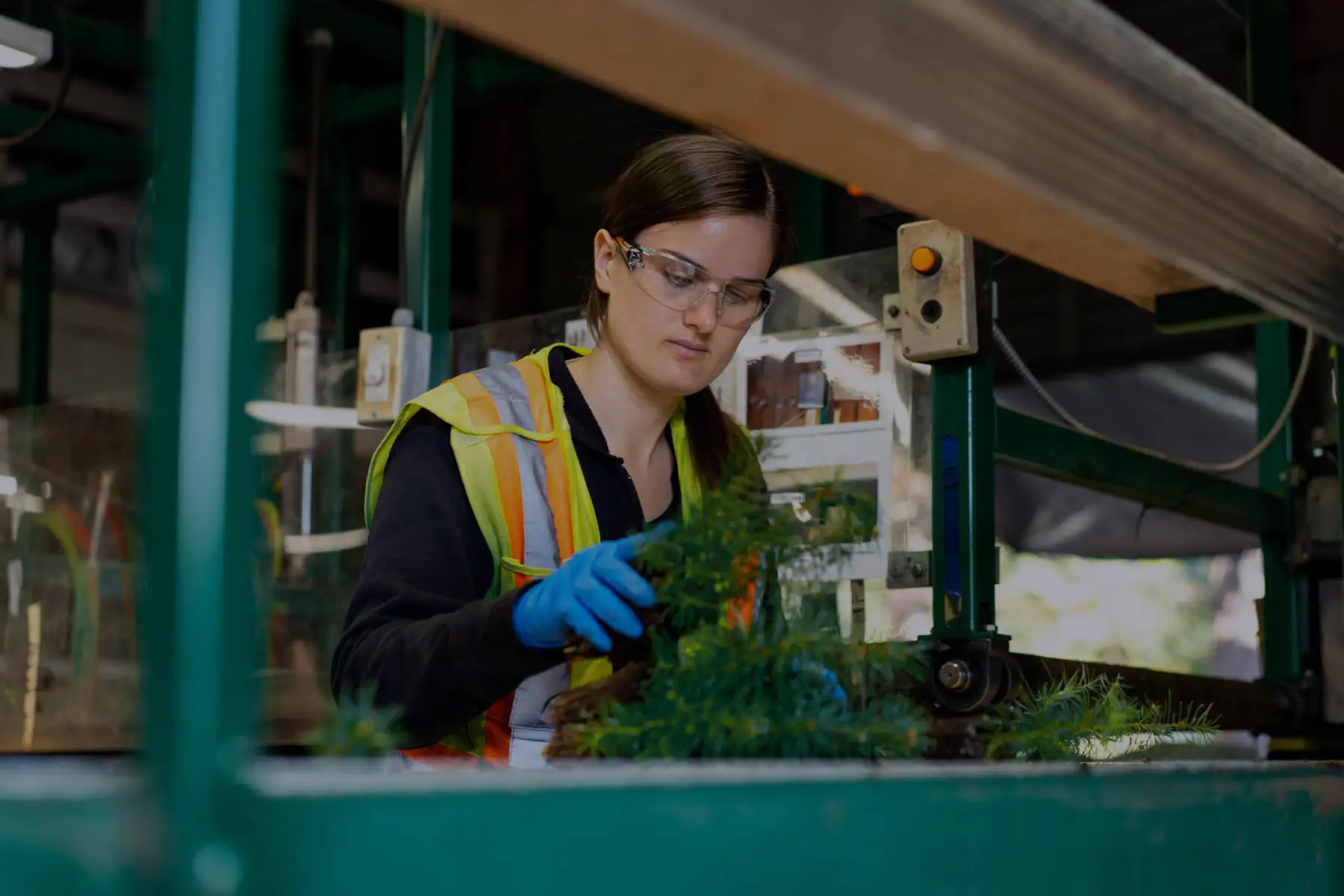
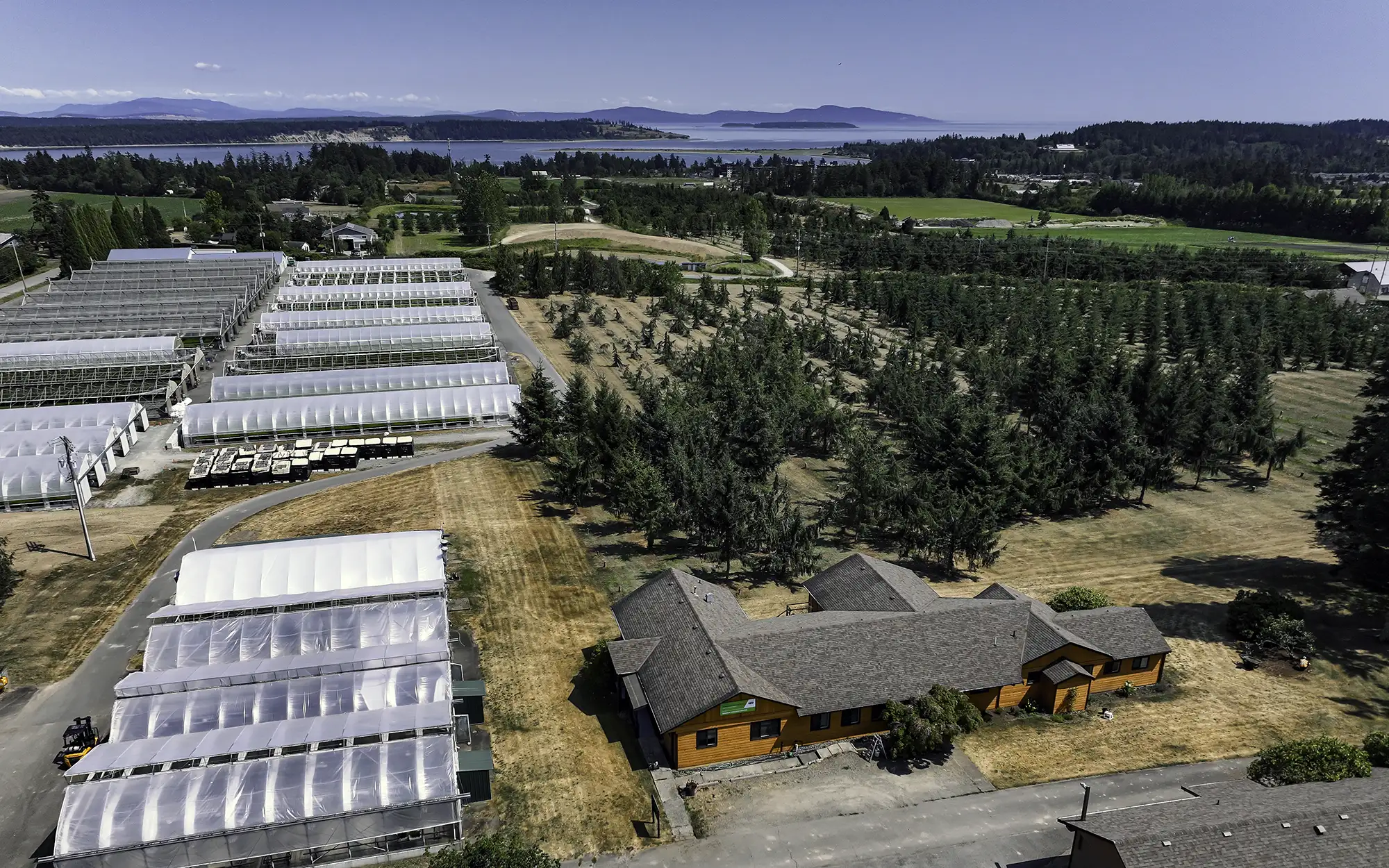
The Saanich Forestry Centre, Canada’s oldest continuously operating seed orchard on the BC Coast, produces an average of nearly 15 million high-quality seeds and grows close to four million seedlings. The Centre uses carefully selected trees to improve growth, wood quality, and disease resistance, producing healthier seedlings that are better able to adapt as the climate changes.
Conservation and biodiversity protection.
More than 52% of the forested land base under our care is conserved to protect ecological values, with 694,061 hectares designated as unavailable for harvest. Within Western’s tenures, approximately 70% of old-growth forests are conserved to meet biodiversity objectives, and provincially, about two-thirds of BC’s old forests are currently protected or unavailable for harvest.
Collaborative land use planning.
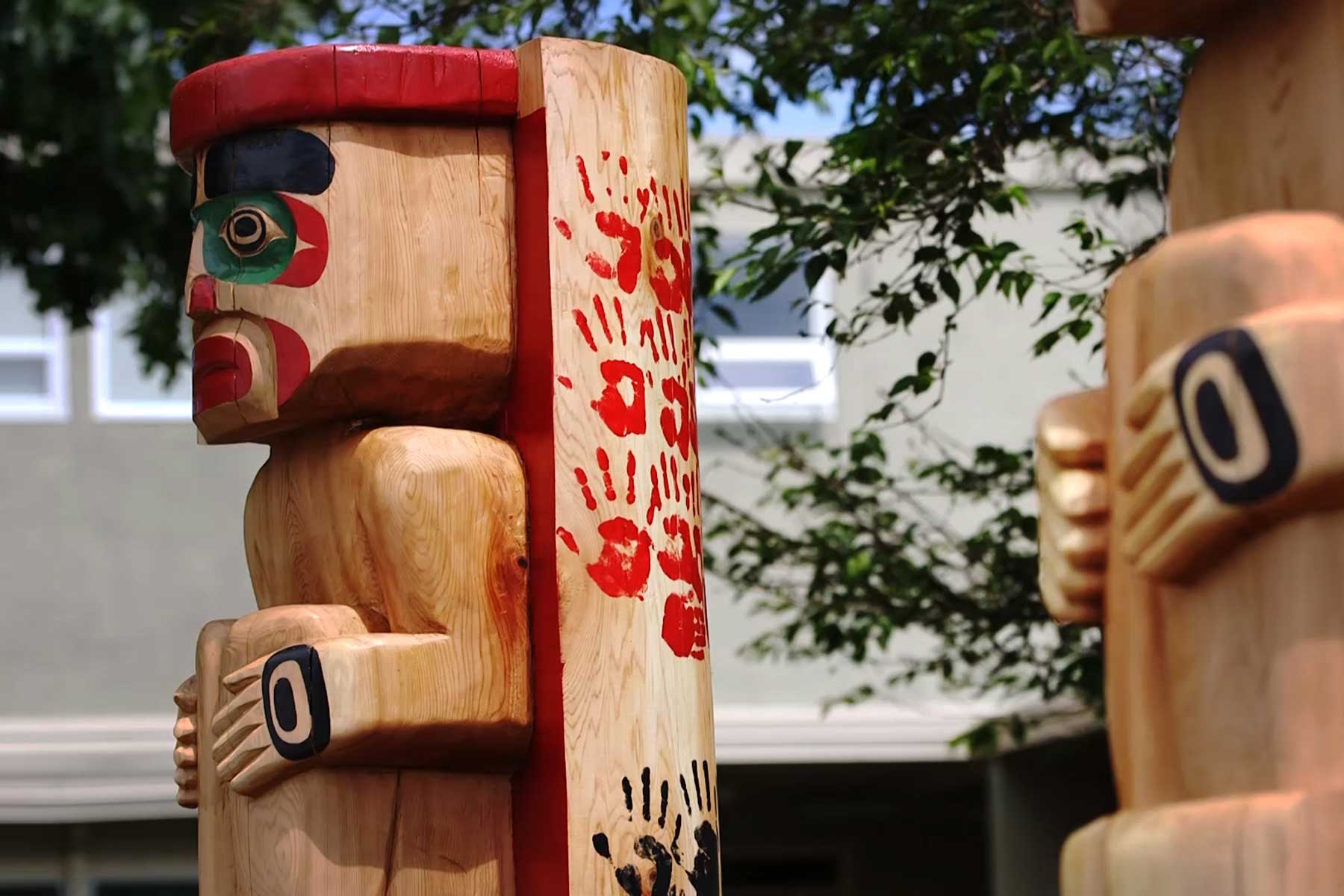
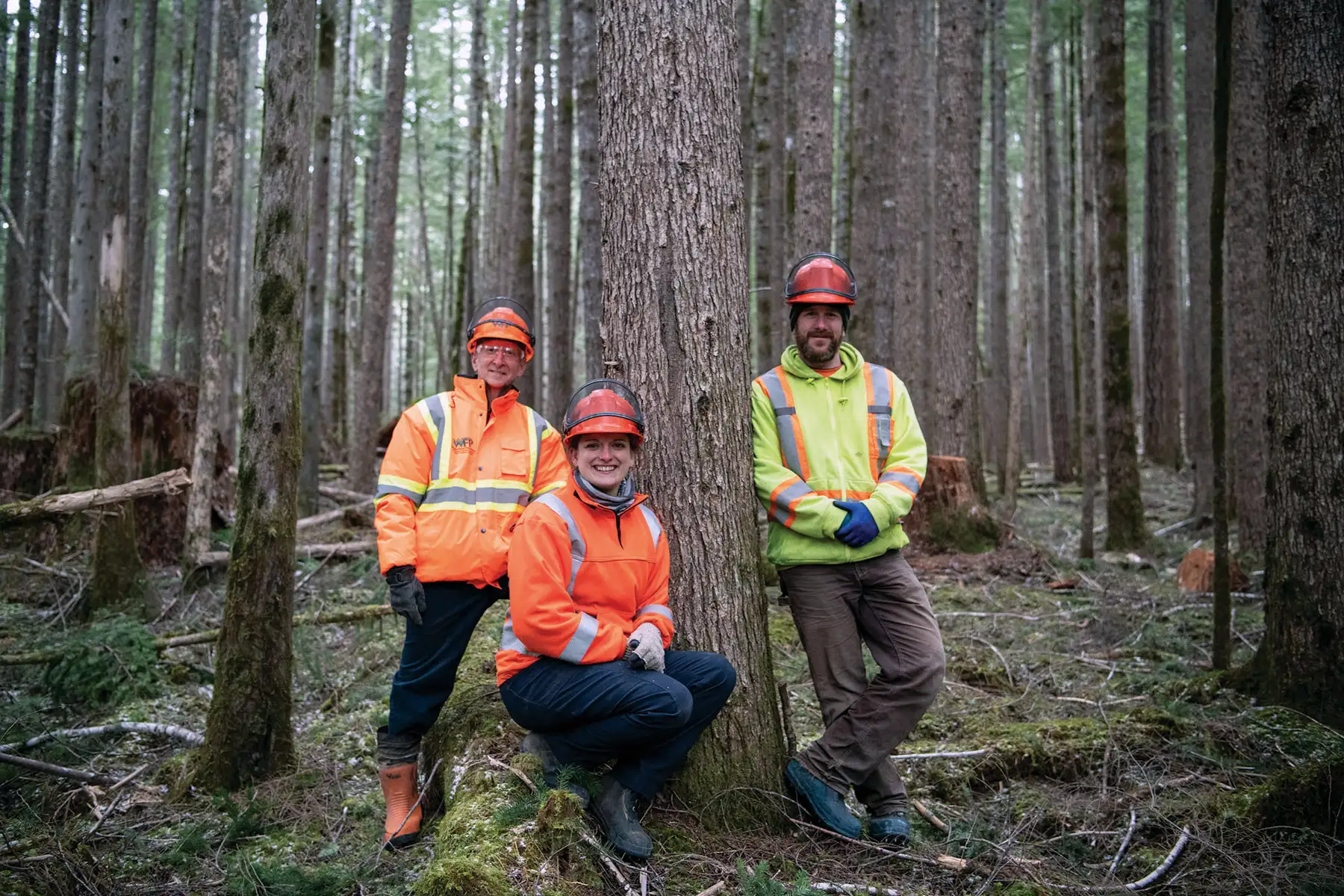
Western works in collaboration with Indigenous governments across multiple territories to support long-term forest health through shared stewardship and planning. This includes developing landscape-level forest plans that integrate Indigenous knowledge, community priorities and ecosystem needs into how forests are managed over time.
Notable highlights include jointly developed forest plans in the Nimpkish Valley with the ’Namgis First Nation, which set out how key ecological and community values will be managed across approximately 142,000 hectares. Western is also working with several First Nations on Vancouver Island, including We Wai Kai, Wei Wai Kum, K’ómoks, and Tlowitsis, to support integrated resource management planning that reflects local values and improves long-term certainty for forest stewardship and local economies.
Other collaborative planning initiatives are underway with Indigenous partners in the Tla’amin, Quatsino, and Huu-ay-aht territories, focusing on incorporating Indigenous knowledge into forest management and supporting healthy, resilient forests for future generations.
Western is also advancing holistic forest landscape planning in collaboration with Indigenous partners, using spatially and temporally explicit forest estate modelling to forecast biodiversity outcomes, including ecosystem integrity, wildlife habitat, riparian function, and connectivity, up to 300 years into the future.
From stewardship to strategic fibre value.
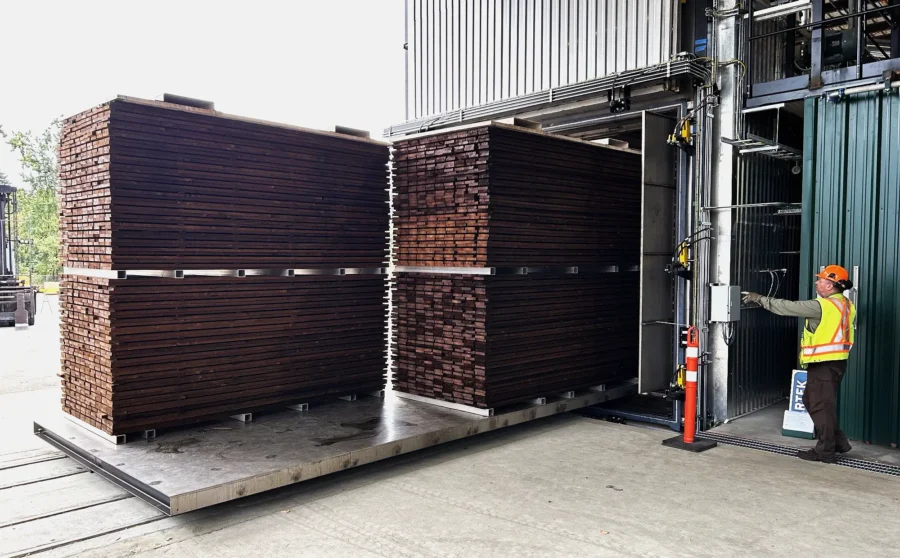
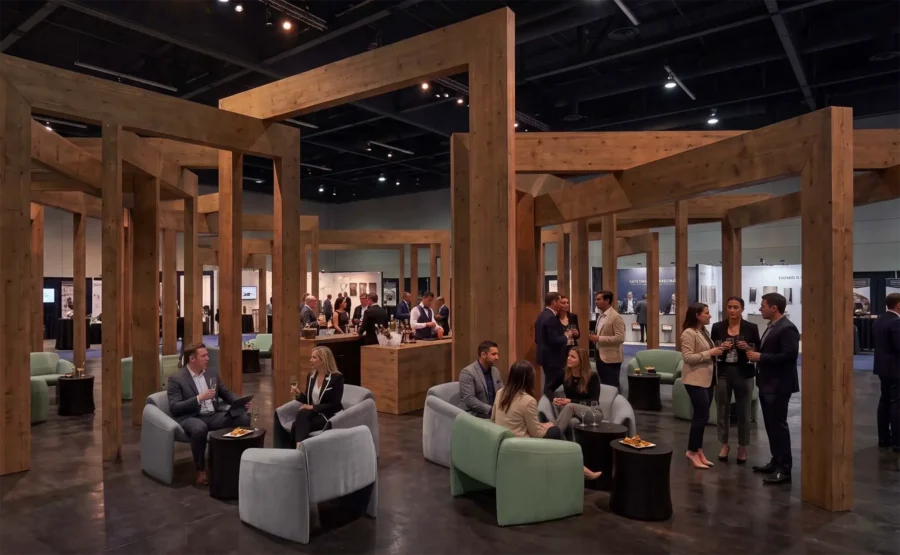
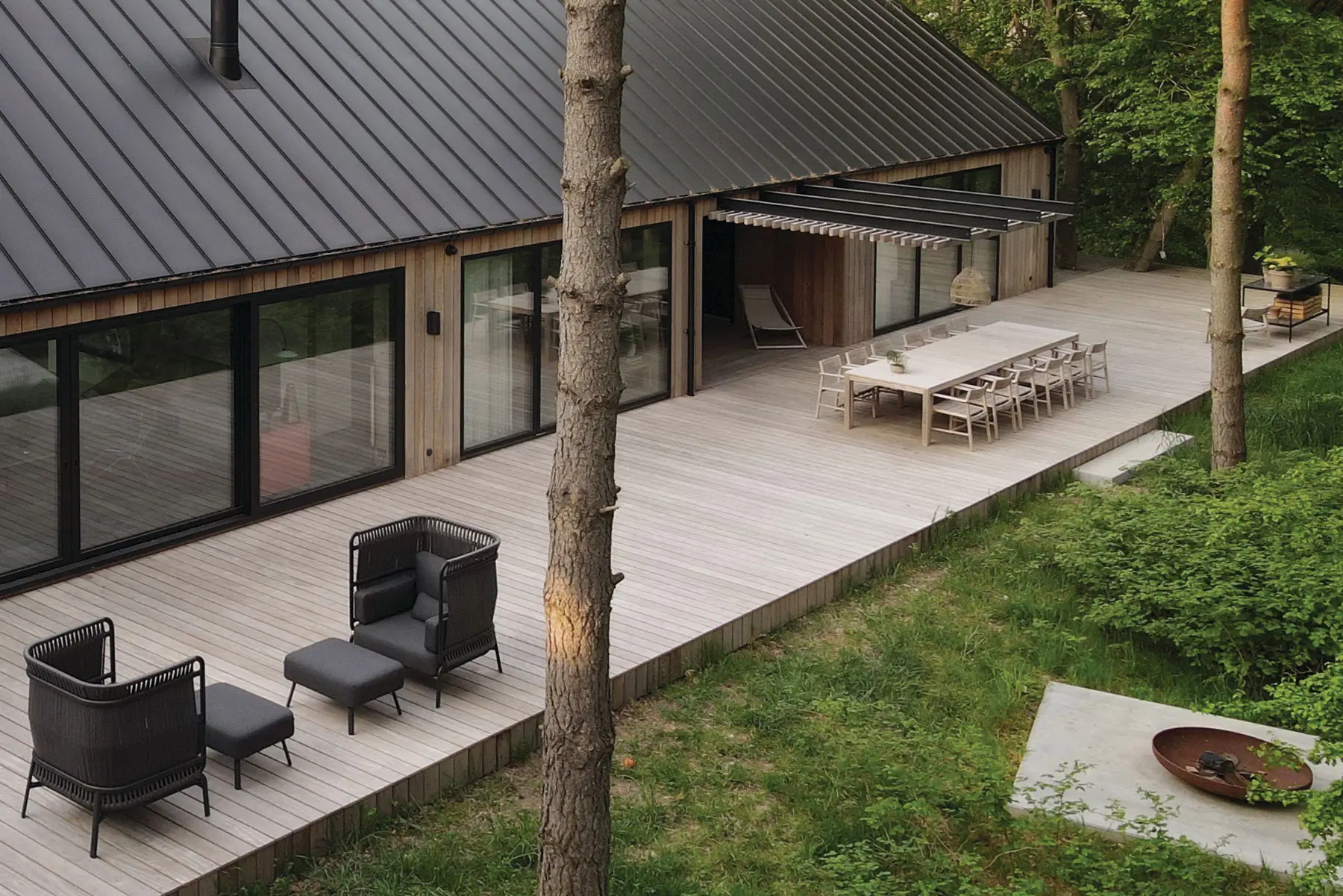
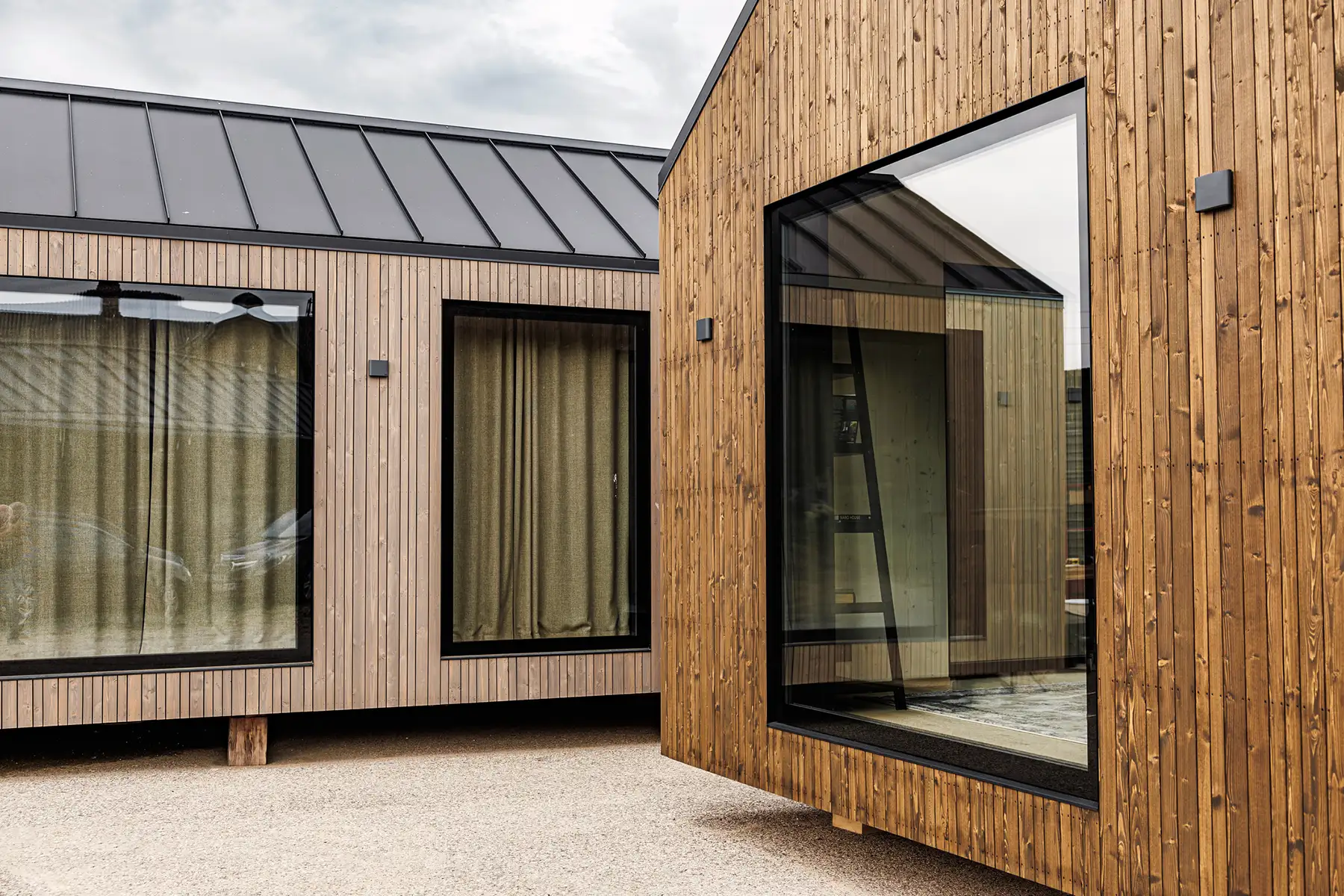
This stewardship foundation is also strategically significant. Western’s fibre base is dominated by western hemlock and amabilis fir, and the company’s long-term sustainability strategy includes upgrading abundant coastal Hem-Fir into higher-value products. The Thermally Modified Hem-Fir initiative exemplifies this approach, a chemical-free thermal modification process that improves durability and dimensional stability while supporting a sustainability-aligned product narrative. Combined with Western’s vertical integration, deep species expertise, and shorter North American supply chains, TM Hem-Fir represents a strategic value-recovery pathway that strengthens margin resilience and broadens participation in premium architectural wood markets.
Together, these commitments ensure that forestry remains compatible with long-term ecosystem health while providing a stable, renewable, and increasingly differentiated fibre supply.