


Archives: Thermal News
The Science Behind Thermal Modification.
The process also changes the structure of cellulose and lignin. Cellulose becomes more ordered and less responsive to moisture. Lignin softens and re-hardens in a more cross-linked form. Extractives, including some oils, resins, and sugars, are partially evaporated. These changes affect colour, smell, moisture behaviour, stability, and biological resistance.
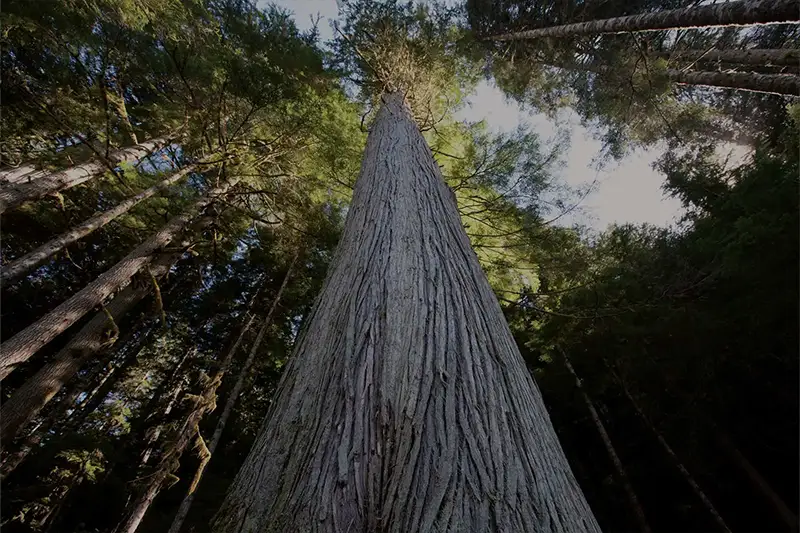
Forest Science, Sustainability, & Thermally Modified Hem-Fir.
Western’s stewardship approach combines professional forestry, scientific planning, third-party certification, reforestation, conservation, Indigenous partnership, and long-term fibre planning.
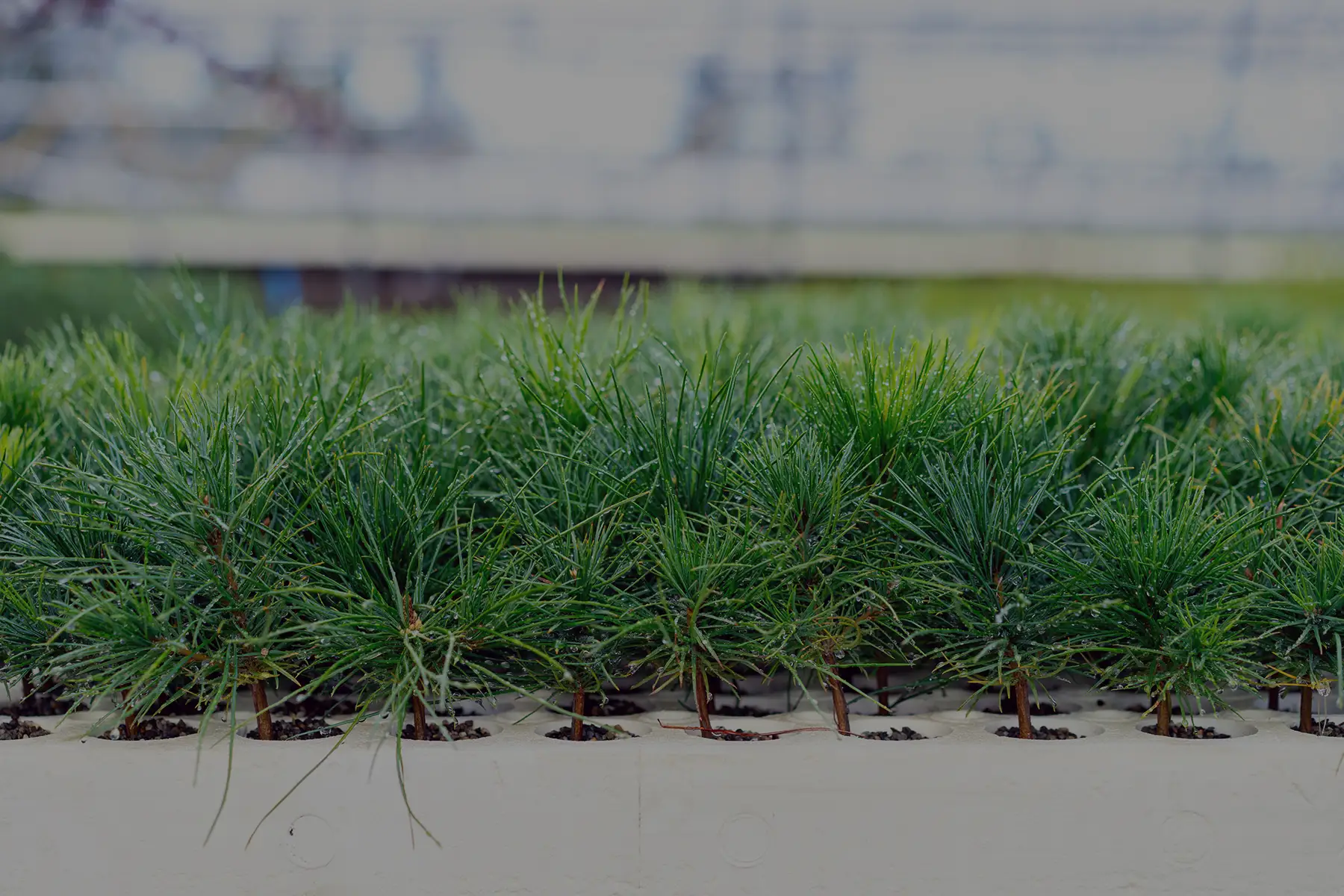
Thermally Modified Wood: Heat, Steam, and the Future of Hem-Fir.
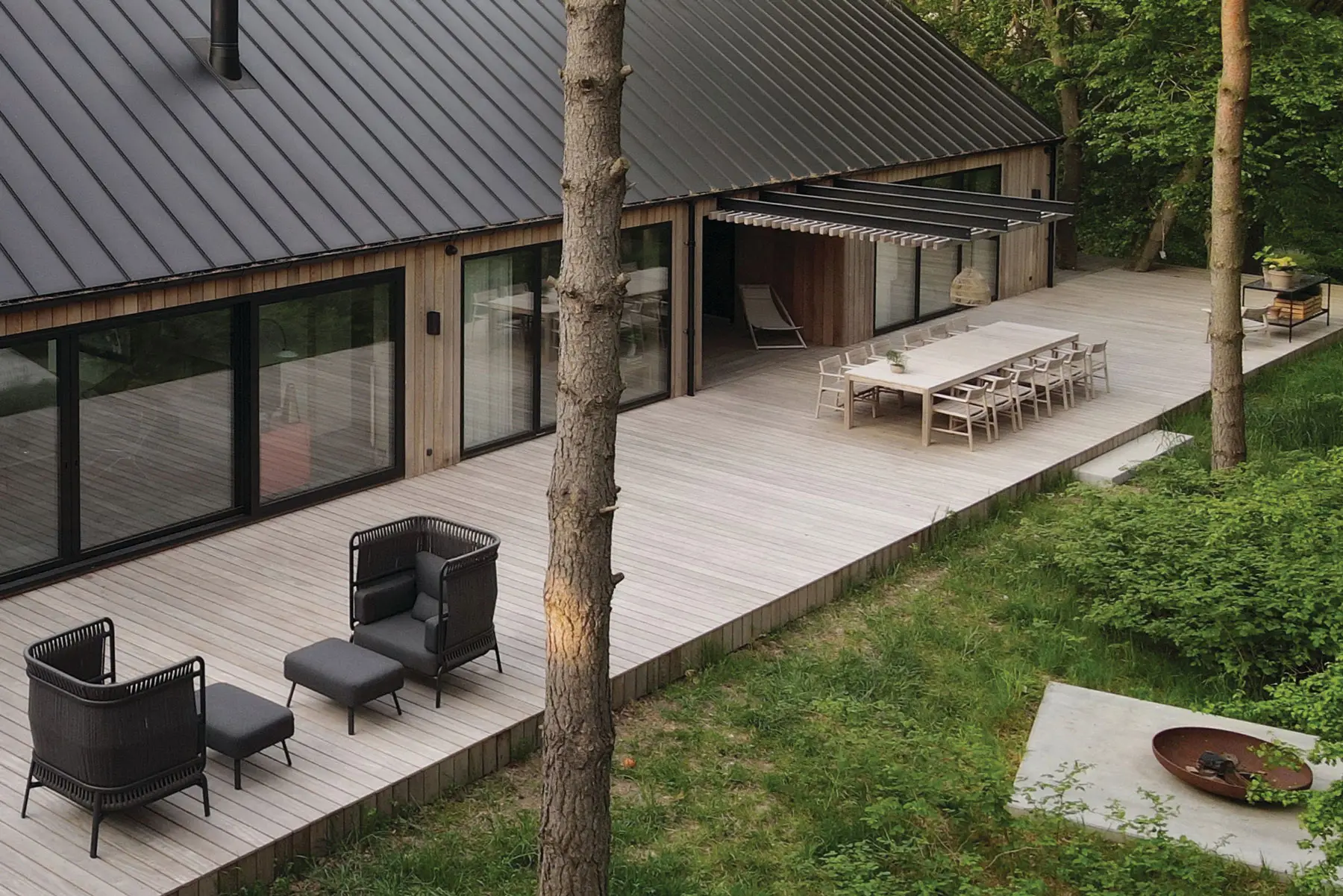
Thermally modified wood is not a new idea chasing a trend. It is a mature wood modification process with a long technical pedigree, decades of commercial use, and a strong track record in exterior wood applications.
Sustainable Forestry in BC.
How Western Forest Products conserves ecosystems, and builds climate-resilient forests across 1.62 million hectares of coastal British Columbia.
The Interior Design Show Vancouver – Partner Profile
The Interior Design Show Vancouver gives Western Forest Products a focused platform to introduce thermally modified Hem-Fir to the people who influence how new materials are understood, specified, fabricated, and adopted.
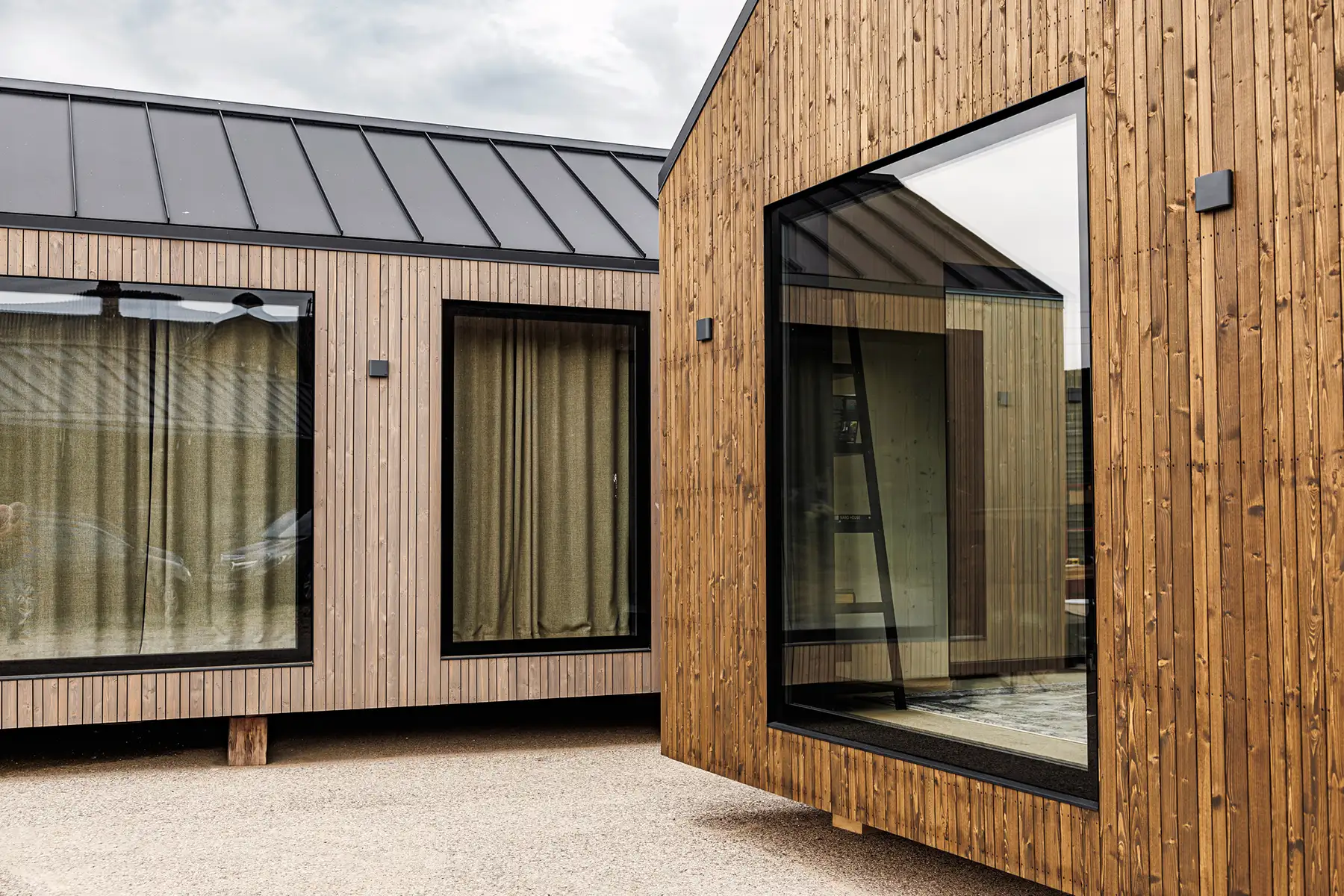
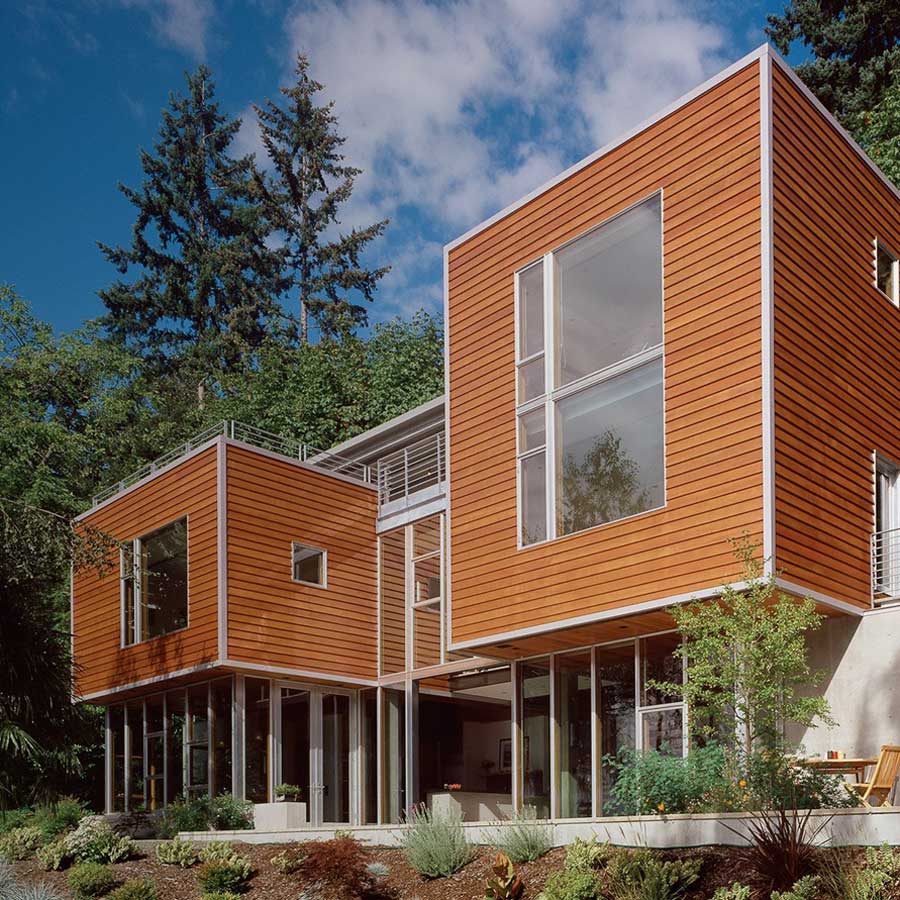
Western’s thermally modified Hem-Fir selected for local Vancouver house exterior cladding pilot.
Through a residential pilot with architecture by Leckie Studio and construction by Forte Projects, thermally modified Hem-Fir will move from research, development, and trial material into its first built residential application.