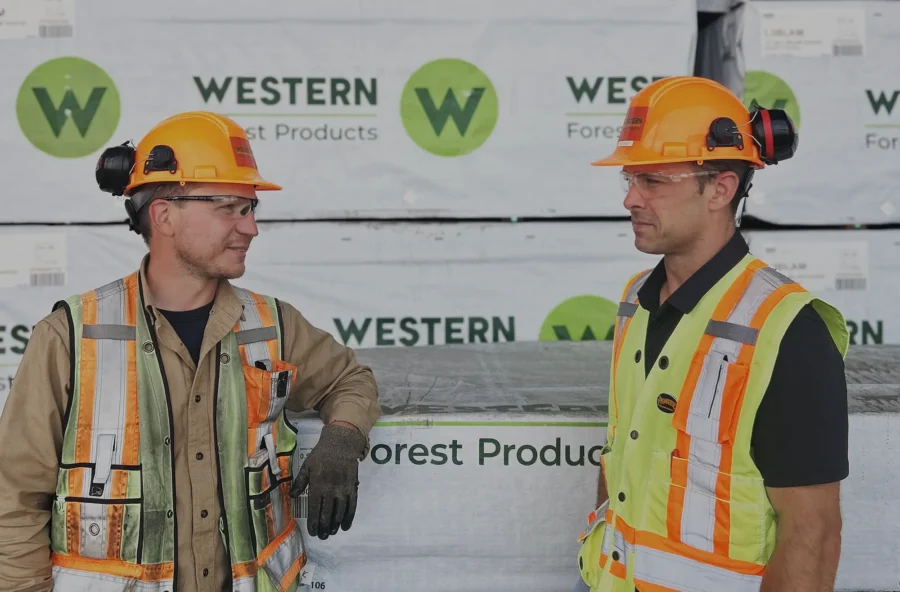
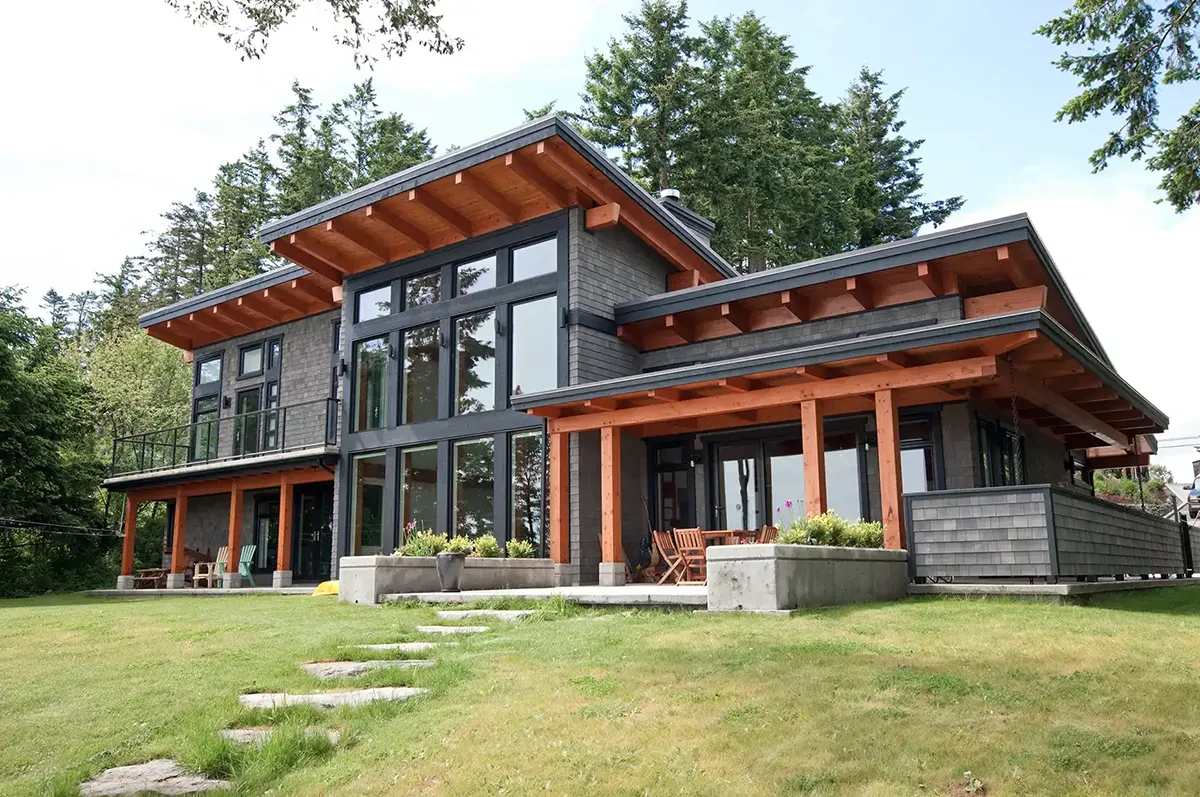
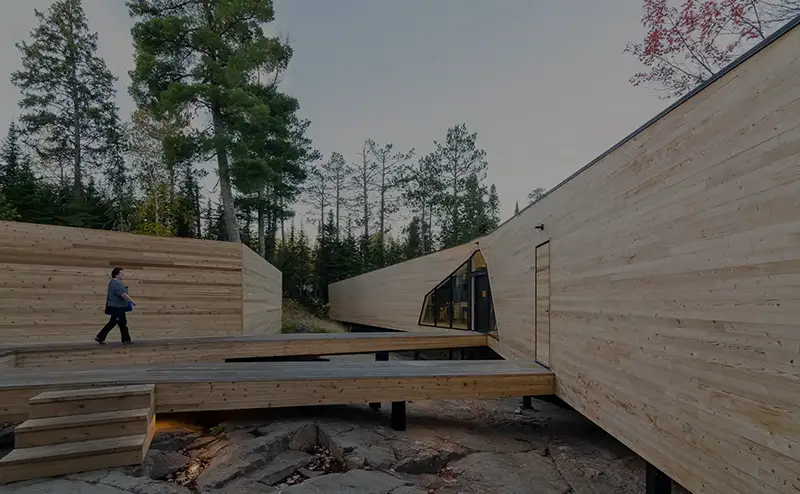

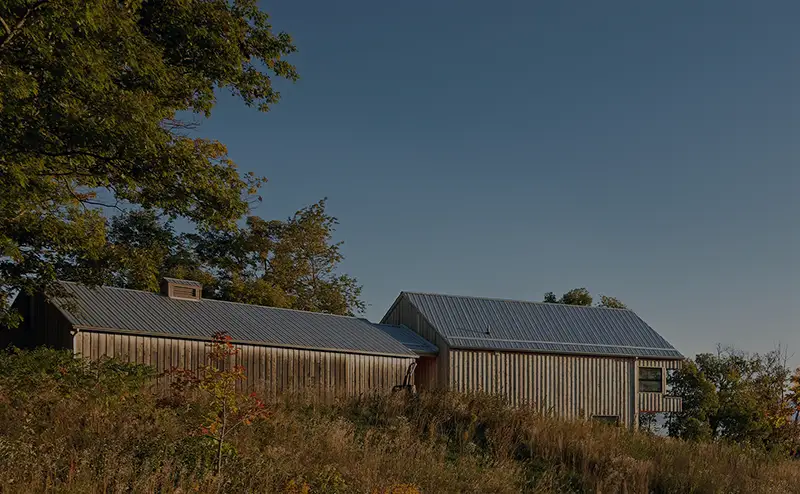
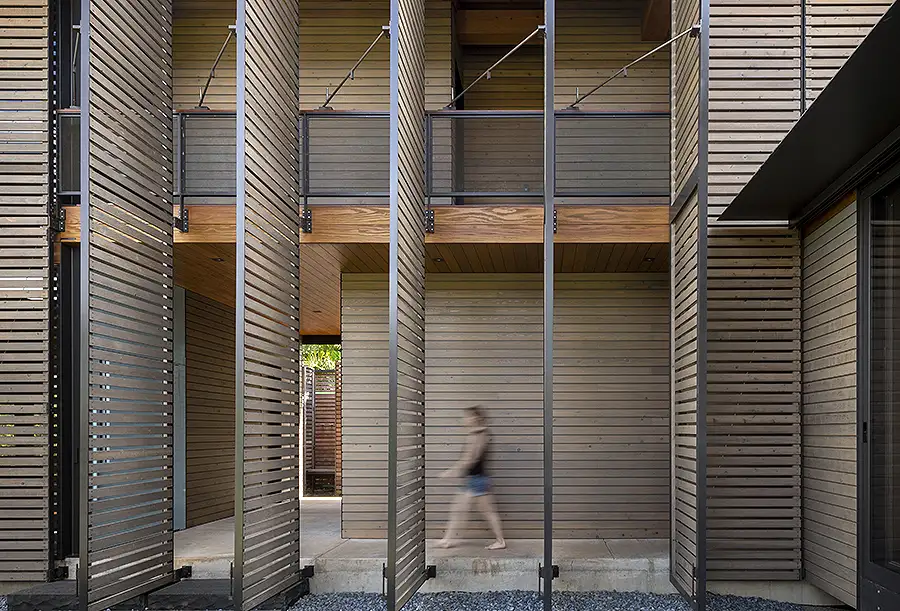
For us, forest science starts on the land base, managing forests across coastal British Columbia, one of the most complex forest regions in North America.
How sustainable forestry & thermal modification are the perfect pairing.
Forest science explores how forests grow, regenerate, store carbon, support biodiversity, protect water, sustain communities, and provide renewable wood products, bringing together silviculture, ecology, biology, hydrology, climate science, genetics, Indigenous knowledge, operational planning, data, and a commitment to long-term stewardship.
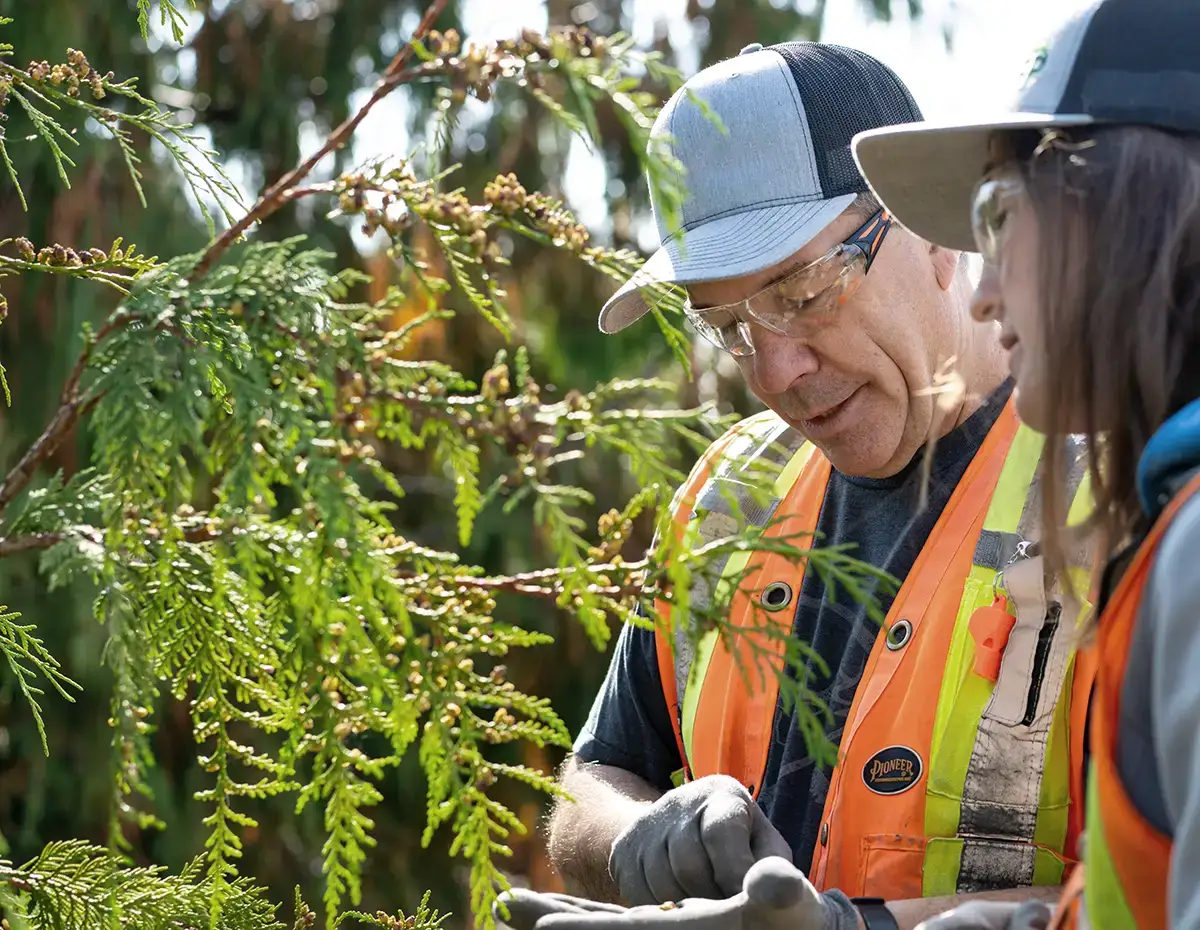
Stewardship is where science transforms into a practice and responsibility. Forest stewardship is not simply a forest that is left alone, nor is it a forest that is treated only as a fibre supply. It is a living system that must be managed with discipline, patience, and respect for the many values it holds, from wildlife habitat to clean water, and from cultural use to community prosperity, and everything in between. Forest stewardship balances what the forest provides with what the forest requires to remain healthy for generations
Sustainable forest management means managing the whole story.
For us, forest science starts on the land base, managing forests across coastal British Columbia, one of the most complex forest regions in North America.
‘The future of forestry will not be defined by how much fibre we harvest, but by how intelligently we use the fibre the forest is ready to provide.’
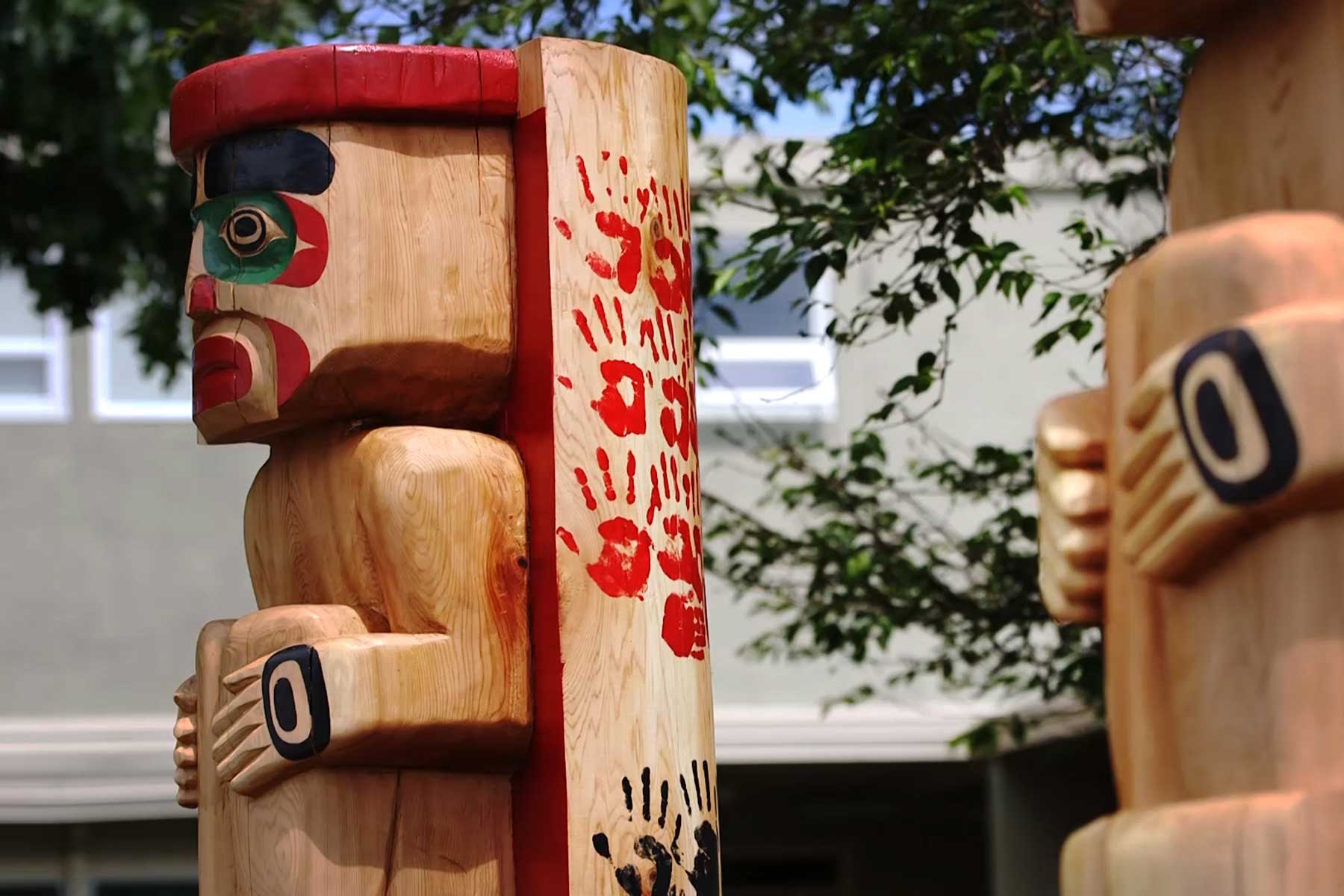
Western’s stewardship approach combines professional forestry, scientific planning, third-party certification, reforestation, conservation, Indigenous partnership, and long-term fibre planning. We manage forests using a collaborative, science-based approach utilizing advanced technology, with a view that extends hundreds of years. Our practices include preserving Big Trees, safeguarding sacred sites and critical habitats, protecting biodiversity, and supporting climate benefits and Canada’s Paris Agreement commitments through responsible forest management.
This matters because sustainability in forestry cannot be judged only at the moment of harvest. It has to be judged across the cycle, what is retained, what is protected, what is regenerated, what is manufactured, how much value is recovered, and how much of that value supports the next generation of forest stewardship.
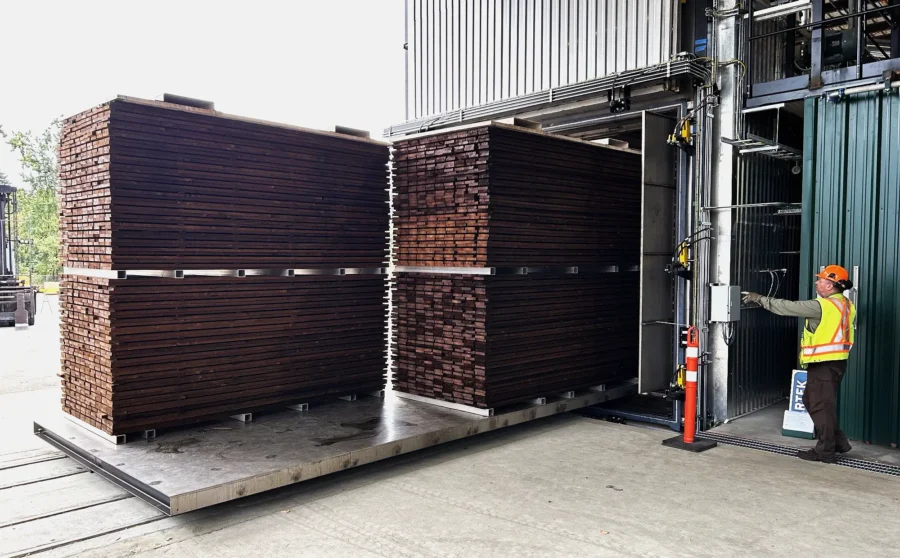
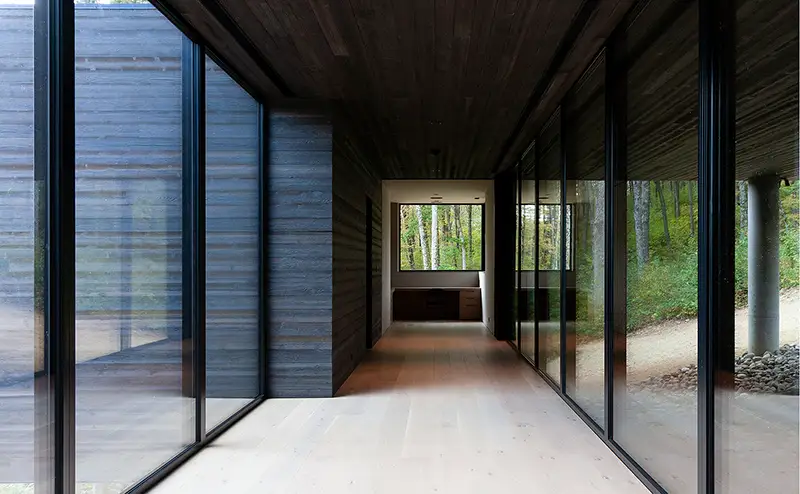
Enhanced durability, improved stability, and natural visual appeal.
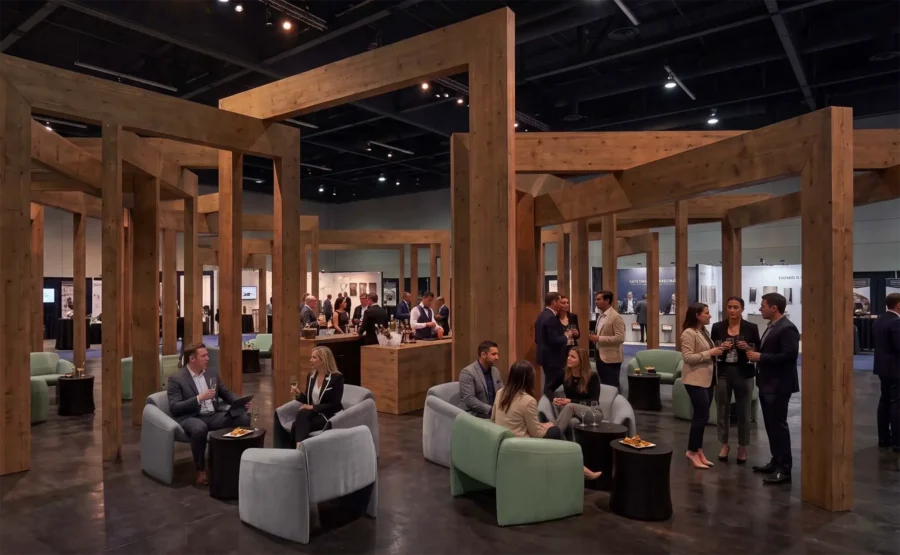
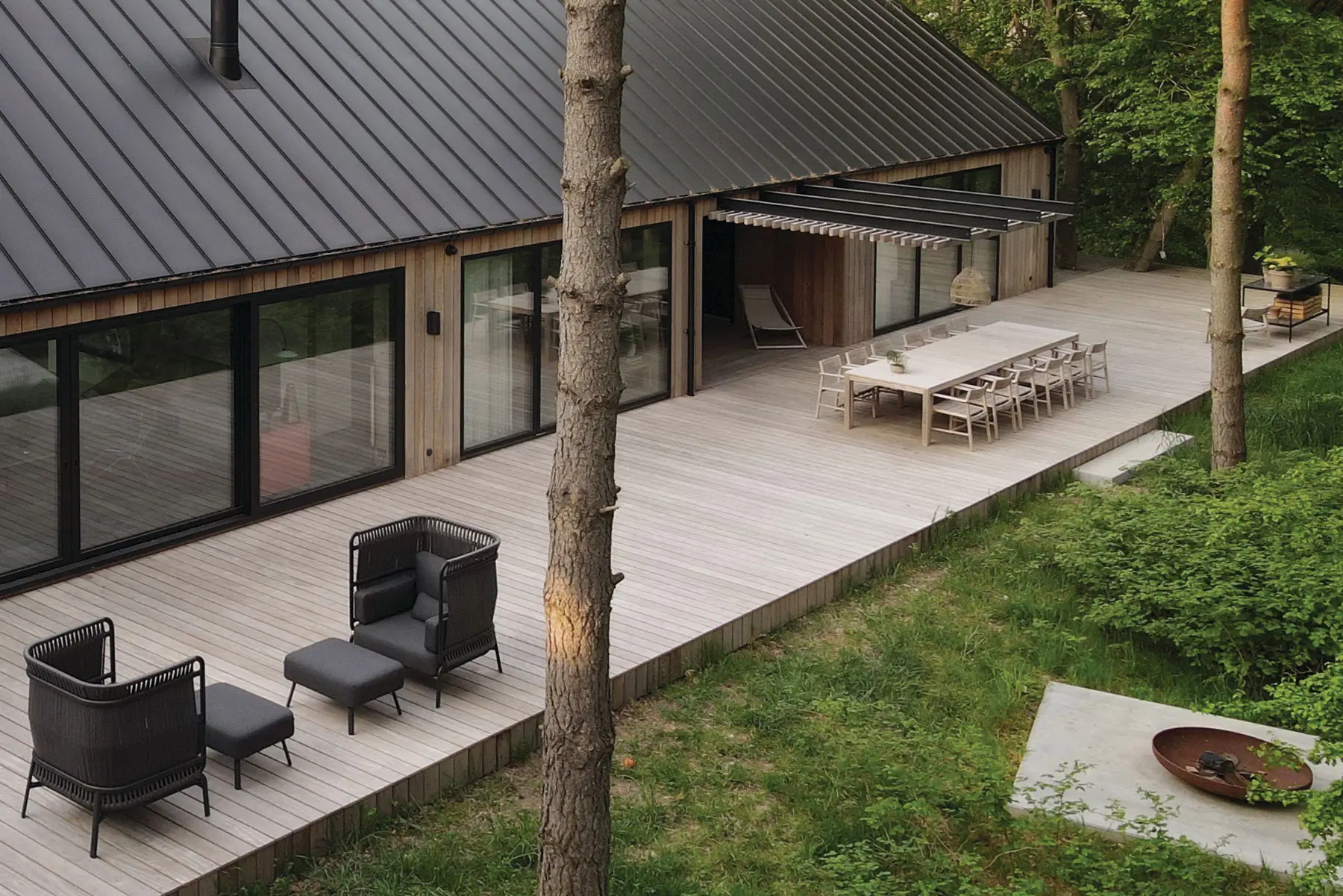
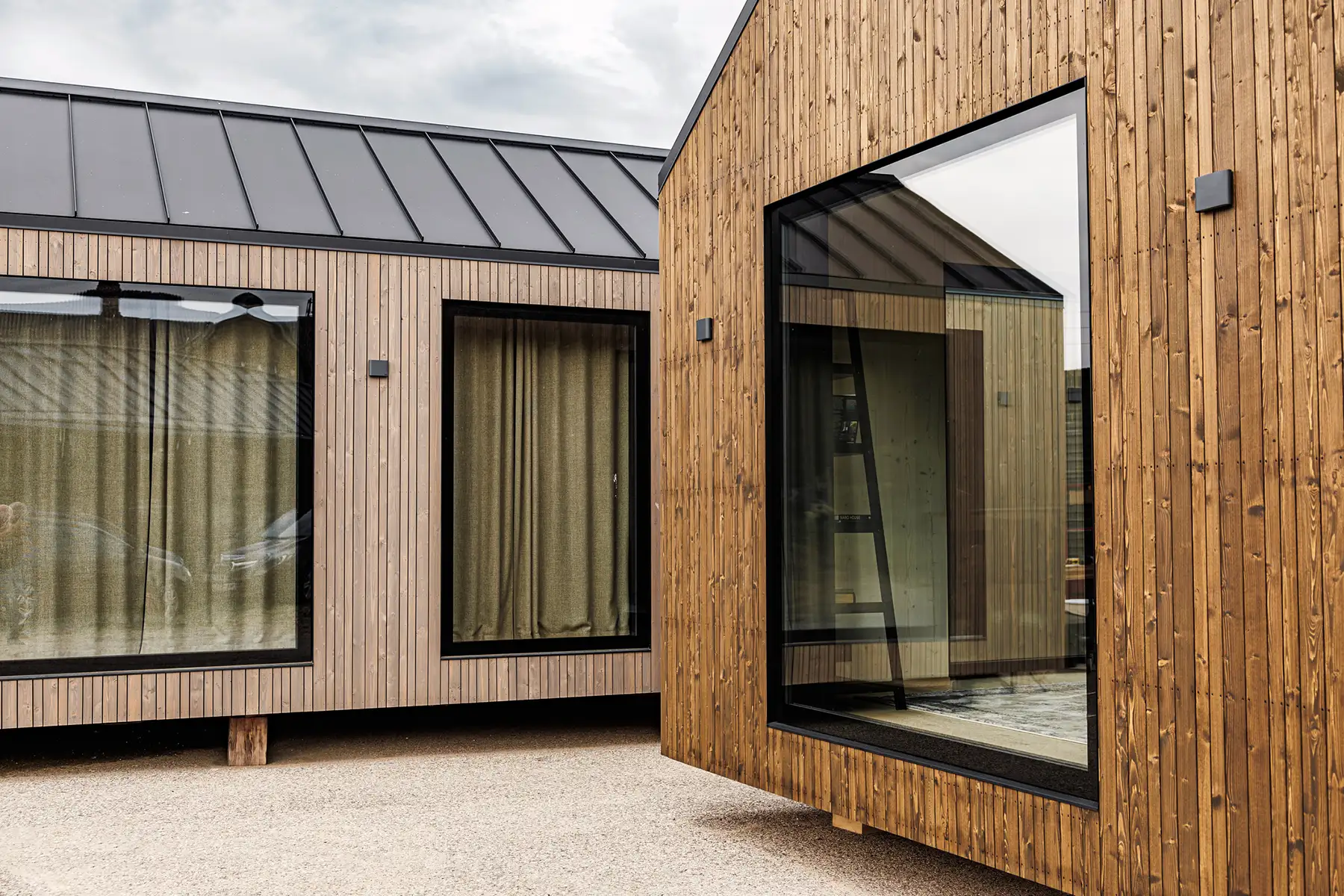
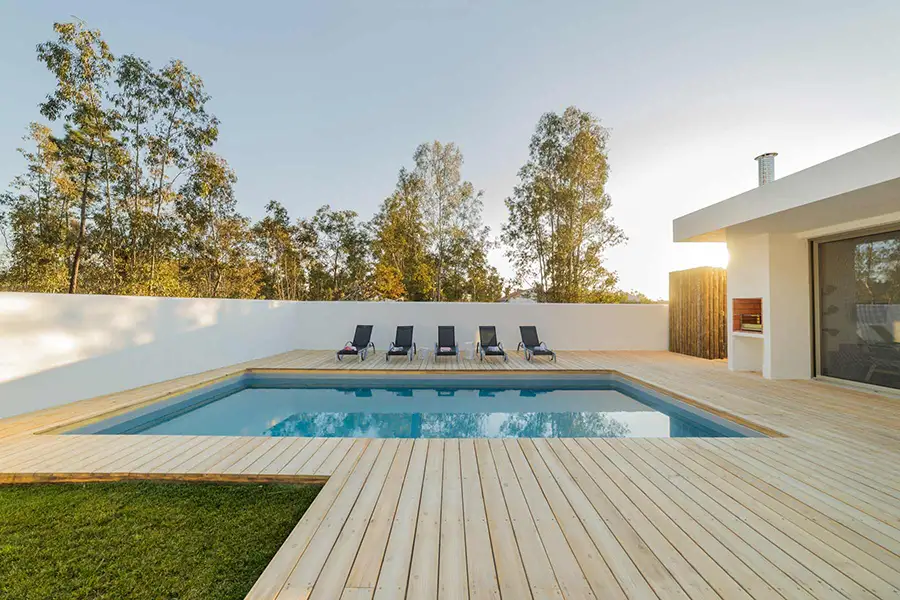
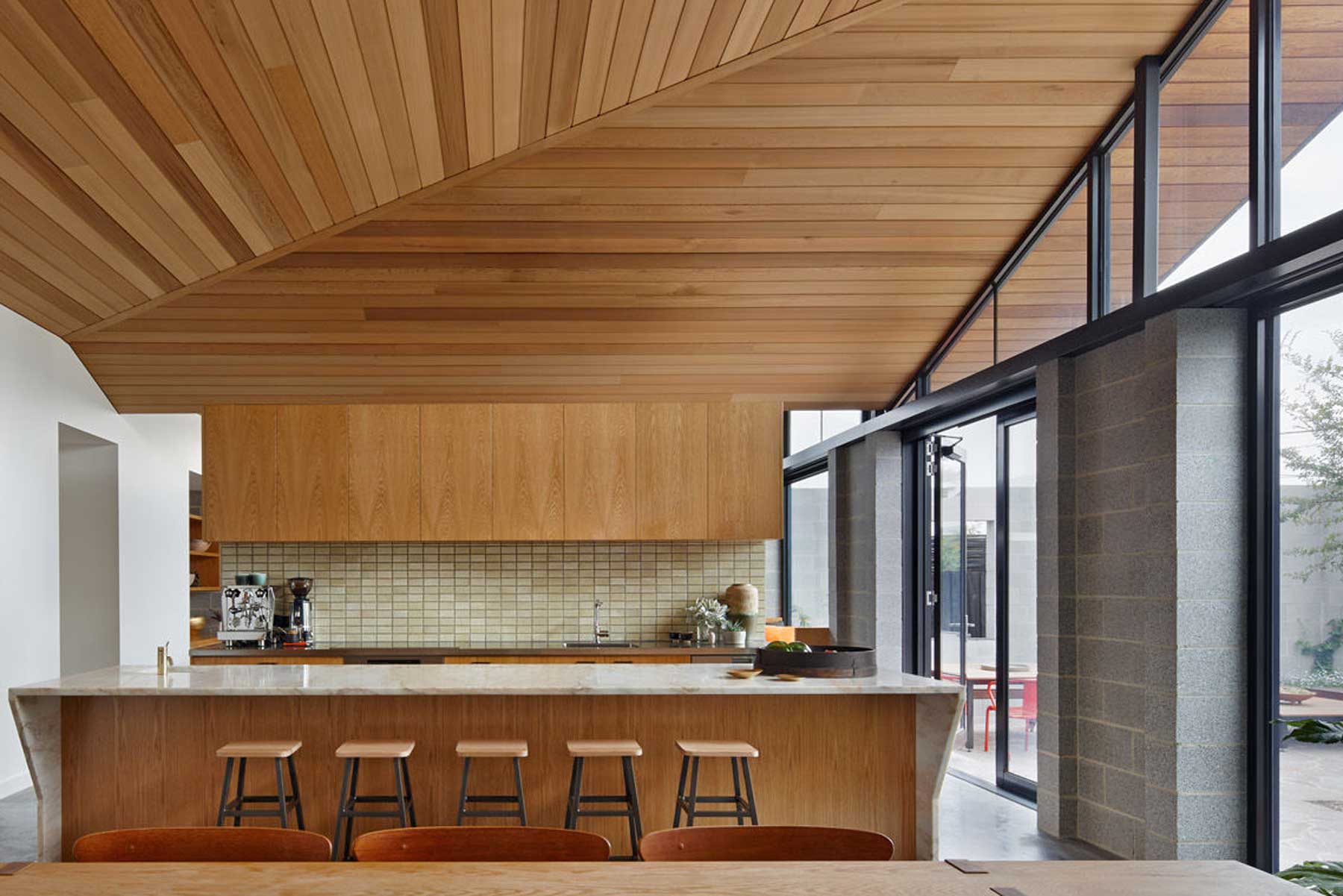
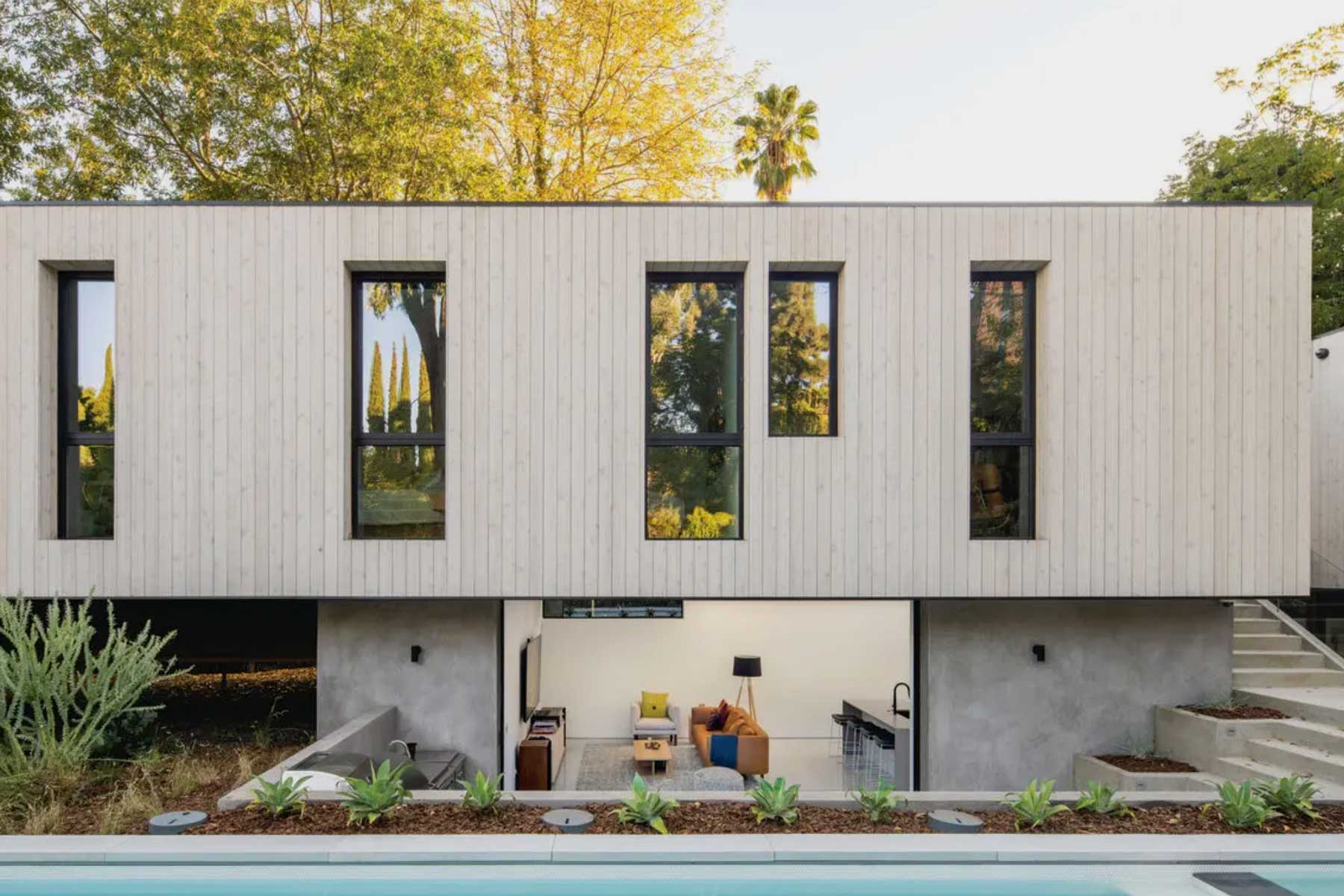
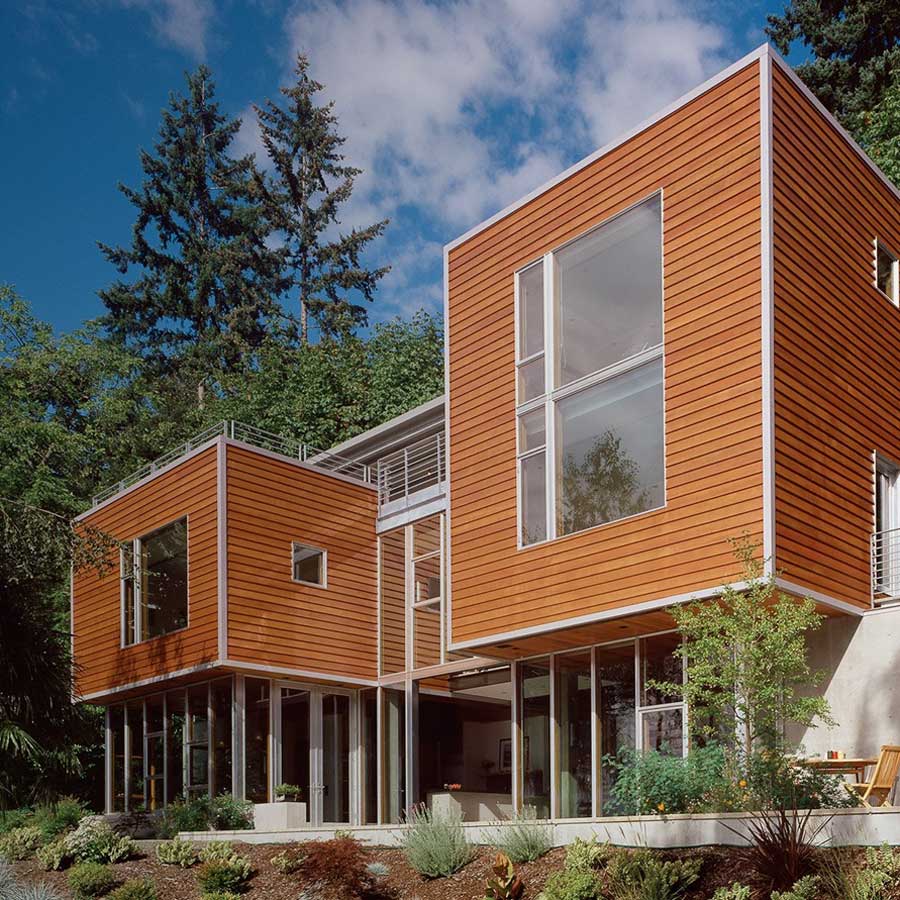
Hem-Fir is a practical starting point for thermal modification because its natural characteristics align well with what the process is designed to improve. It is workable, visually consistent, receptive to finishing, and already familiar to mills, builders, distributors, and manufacturers. When modified, those baseline strengths can be enhanced into a more stable, durable, and visually refined wood product for siding, decking, cladding, soffits, fascia, trim, and other appearance-grade applications.
Thermal modification helps Hem-Fir do more. It improves performance, strengthens its suitability for demanding applications, and brings out a rich, warm aesthetic that gives the material greater architectural value.
The forest has to grow back stronger.
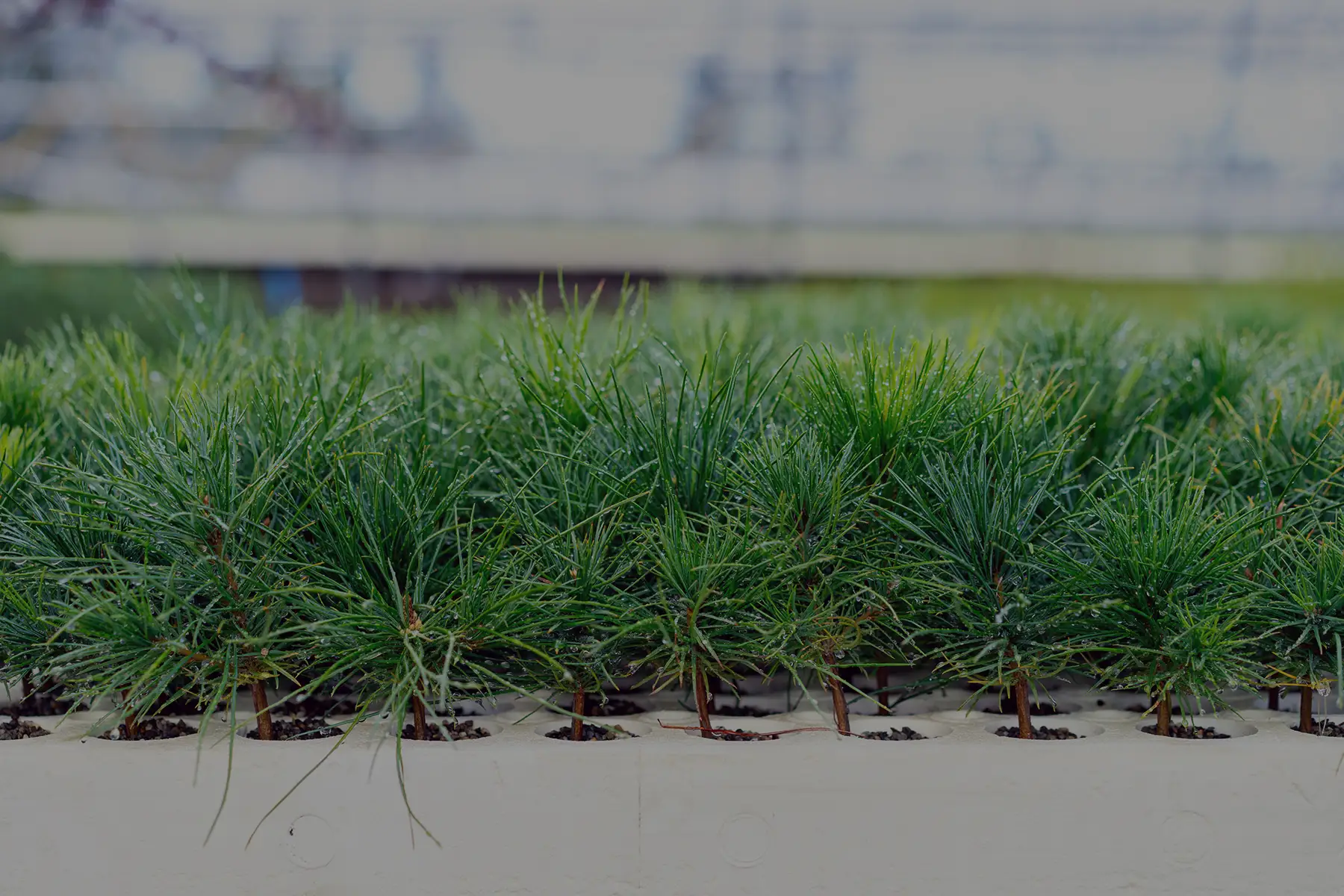
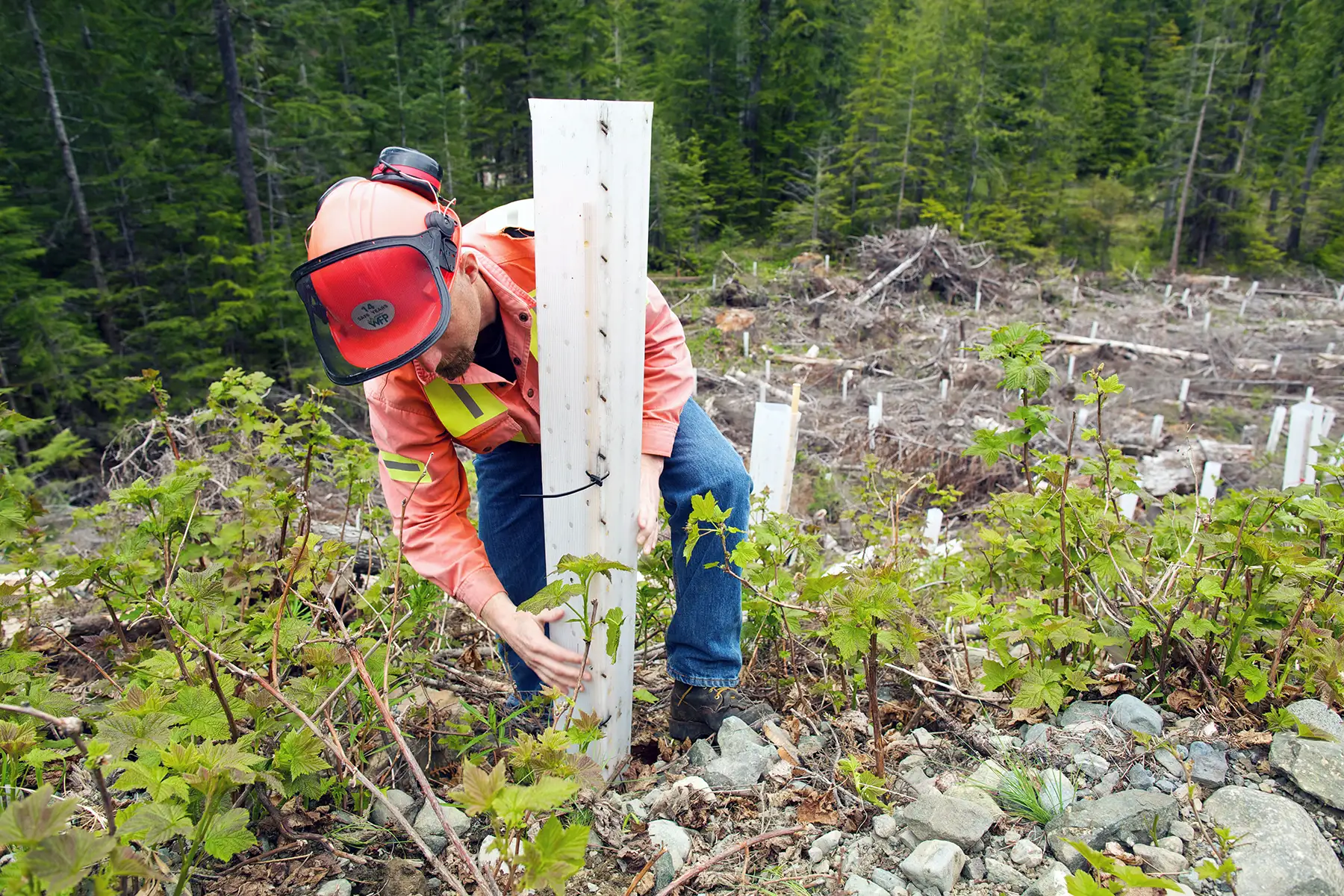
We plant approximately 6 million trees annually. Our Saanich Forestry Centre produces nearly 15 million high-quality seeds and grows over 4 million seedlings annually to ensure the future of healthy, resilient forests.
Reforestation is not only an environmental requirement. It is the biological foundation of future supply. It is how forest companies maintain fibre continuity, support local jobs, and ensure future generations have forests that can provide ecological, cultural, and economic value.

Conservation is part of the operating model.
The modern forestry conversation often treats conservation and manufacturing as opposing ideas. In responsible forestry, they have to work together.
Our key stewardship priorities include wildlife habitat, rare ecosystems, carbon sequestration, flood control, big tree retention, natural beauty, and reforestation. We also voluntarily submit to annual third-party audits to verify that the lands we manage meet internationally recognized standards.
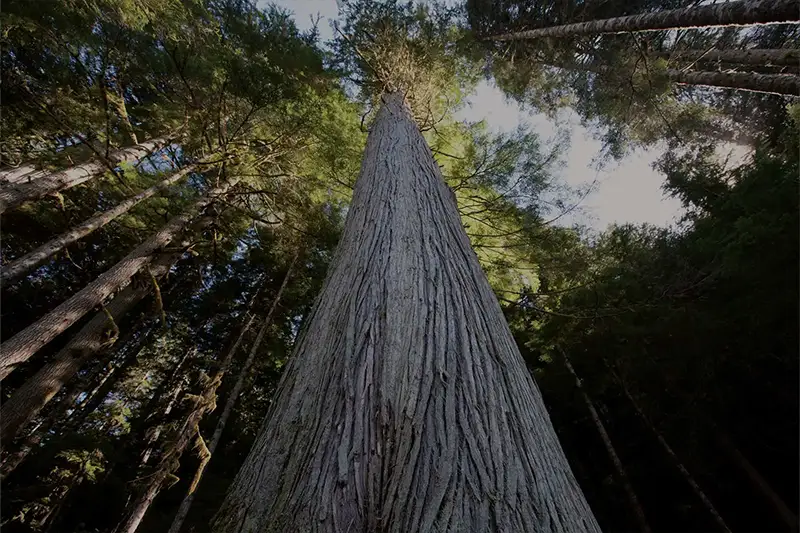
Approximately 850,000 hectares, about 2.1 million acres, of our forests are certified to the Canadian Standards Association Sustainable Forest Management standard. Plus, all the forests under our management, and the wood products harvested from them, are 100% certified to internationally recognized standards. Additionally, we were the first forestry company in B.C. to issue a Big Tree Policy, and now use technology to identify big trees across the lands we manage. Those trees are excluded from harvest areas and placed into retention zones that support biodiversity. Our 2024 Sustainability Report designated 3,300 Big Trees, up from 1,770 in 2022.
‘Conservation and manufacturing are not opposing ideas. In responsible forestry, one helps sustain the other.’