Our Saanich Forestry Centre, located on 26 hectares in Saanichton, B.C., is the foundation of our reforestation program and one of the clearest examples of how forest science, long-term planning, and responsible fibre management come together.
Where Western’s forest stewardship begins.
Responsible forestry starts long before the product is produced. At Western Forest Products, it starts with a seed in our Saanich Forestry Centre. Established in 1964 to support research and development in careful selection, the Centre now plays a central role in growing the future forests that support biodiversity, climate resilience, local employment, and the next generation of wood products.
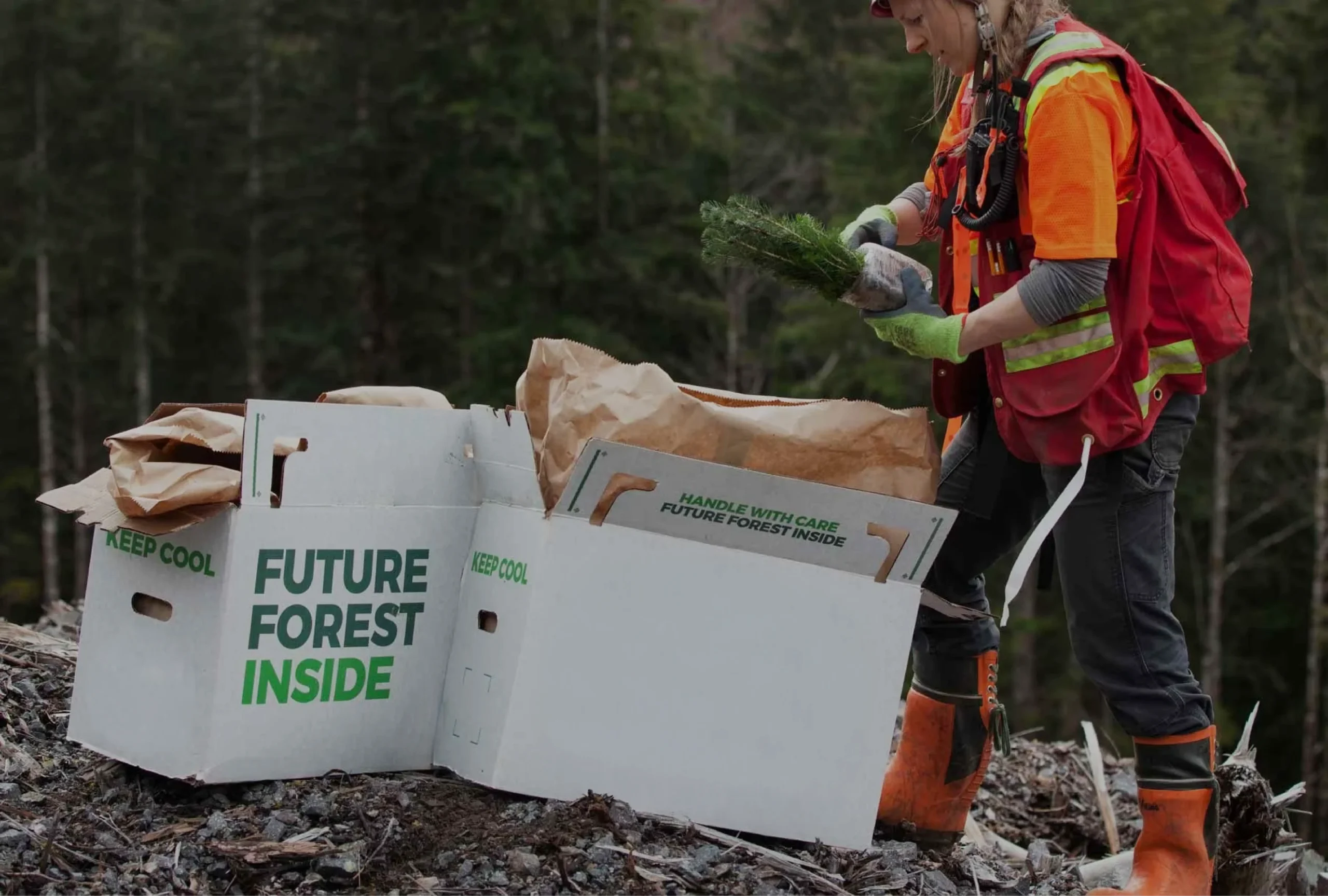
Western is the only forestry company on B.C.’s coast to operate its own seed orchard and tree nursery. It gives us greater control over seed quality, seedling supply, species selection, and long-term reforestation planning. It also strengthens the connection between what we grow, what we harvest, what we manufacture, and what we return to the forest.
‘Every product we create starts with a seed. The work at Saanich helps keep our forests healthy, productive, and here for future generations.’
Sixty years of coastal tree expertise.
The Saanich Forestry Centre has more than 60 years of experience in coastal tree seed orchard and nursery operations. What began as a research-focused operation has become a fully integrated seed orchard and nursery, supporting Western’s reforestation work across coastal British Columbia.
Today, the Centre includes:
- 26 hectares of land in Saanichton, B.C.
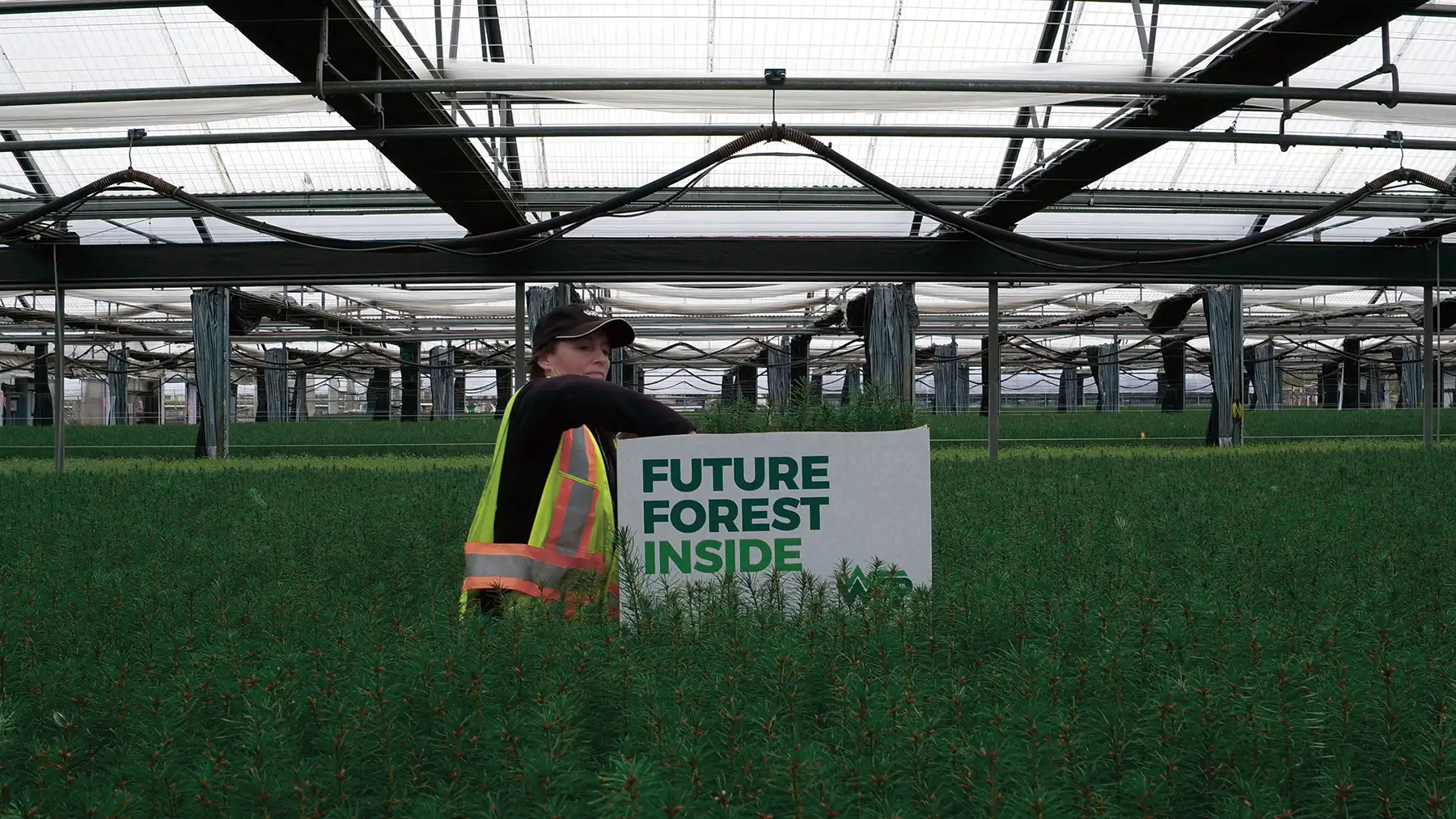
- 27 greenhouses
- 9 seed orchards and hedges
- Approximately 4,000 trees across 10 species
- Nearly 15 million seeds are produced annually
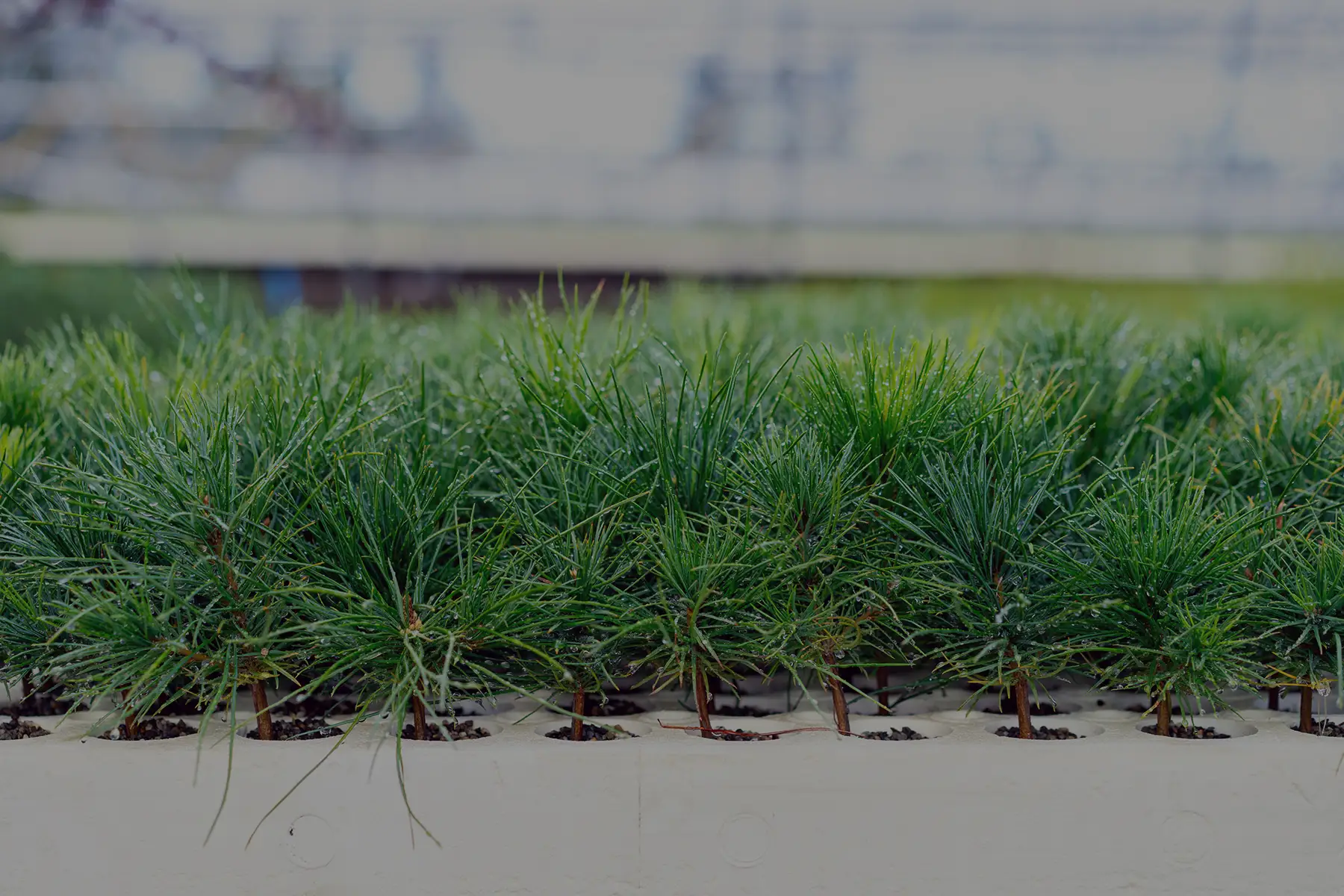
- Roughly 4 to 4.5 million seedlings are grown each year
- 5 full-time employees, supported by 10 to 15 seasonal and contract employees
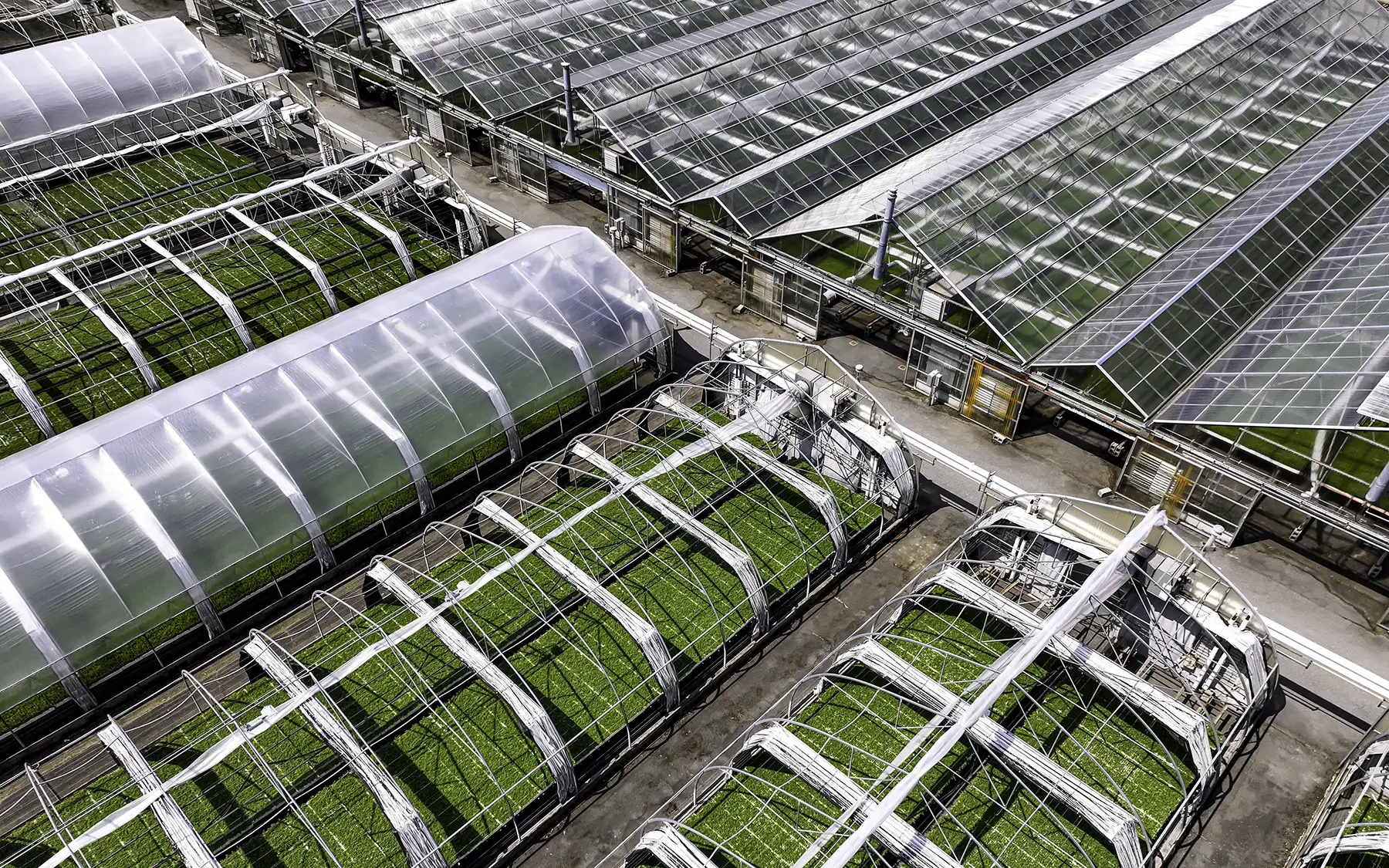
This is not simply a production facility. It is a working forestry science centre, built to supply high-quality coastal seed and seedlings for a changing forest. The Saanich Forestry Centre produces nearly 15 million high-quality seeds each year and grows close to four million seedlings, incorporating selections from B.C.’s advanced selection programs to support volume gain, wood quality, disease resistance, and climate adaptation.
From seed to forest.
The Saanich Forestry Centre is central to Western’s vertically integrated model, from seed to forest to finished product. It supplies seed and seedling stock for replanting across our operating areas, supporting biodiversity and helping ensure harvested areas are regenerated with species suited to the site.
The process is deliberate:
- Targeted pollination: Our orchard supports grafting, seed selection, and testing programs that use natural selection to produce strong future forests.
- Cone harvest: Cones are collected from orchard trees, then racked and shipped for processing.
- Seed production and evaluation: Seeds are evaluated and tested through established seed handling systems before returning to the Centre for growing.
- Seedling cultivation: Seeds are grown in the Centre’s 27 greenhouses until they are ready for planting.
- Coastal reforestation: Seedlings are planted across B.C.’s coast, supporting regeneration, biodiversity, and long-term fibre supply.
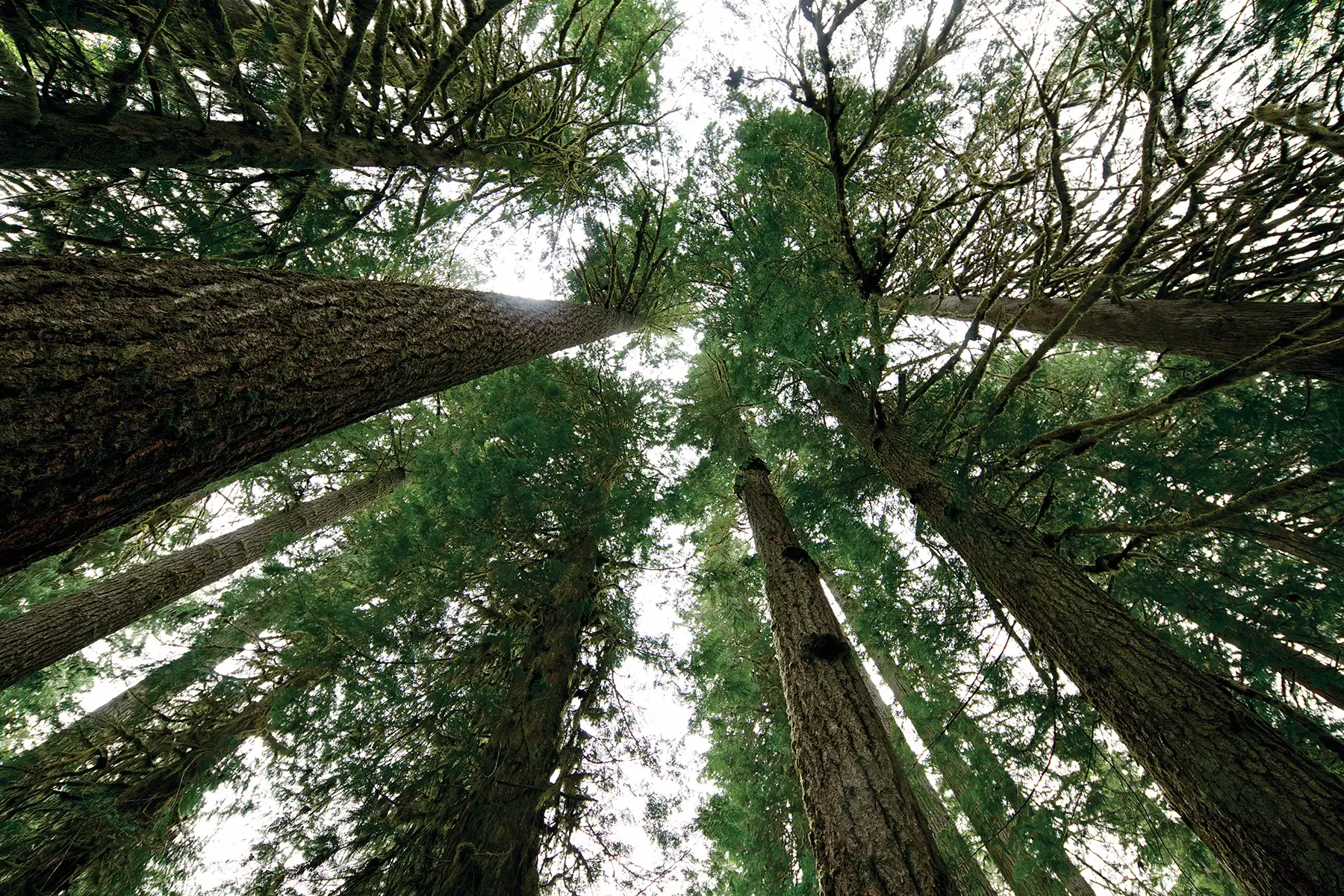
Planting is only one stage in a much longer stewardship cycle. Western’s reforestation timeline includes site preparation within one year of harvest, reforestation within one to two years, vegetation management from years two to ten, and ongoing monitoring for up to 20 years.
Planting what belongs.
Good reforestation is not about planting the same tree everywhere. It is about matching species to site conditions, natural succession, biodiversity needs, and future climate conditions.
We aim to maintain the natural species profile of the forest over time. The species we plant are matched to the species harvested, with room for thoughtful movement where climate adaptation or ecological conditions require it. This means the Saanich Forestry Centre does not just grow seedlings at scale. It grows the right seedlings for the right places.
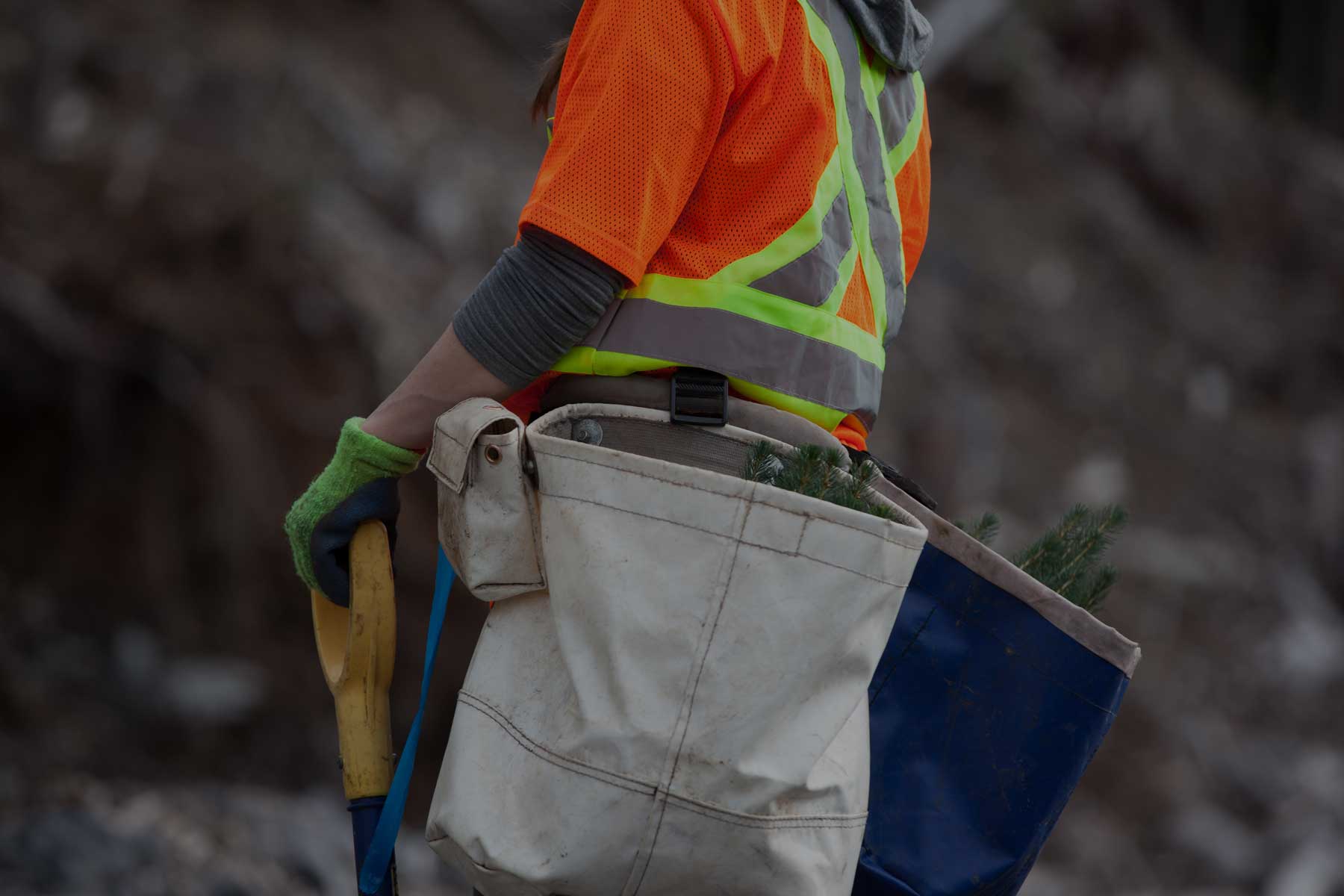
In 2024, Western planted 4,454,088 seedlings across its tenures, including Douglas Fir, Western Red Cedar, and Western Hemlock, established in areas suited to their future optimal growing range through climate-based seed transfer.
Forests are not short-term assets. Decisions made today will shape biodiversity, fibre supply, wood quality, carbon storage, habitat, and community value for decades.
‘Sustainable forestry is measured in generations. The decisions we make at the seedling stage shape the forest, the supply chain, and the communities connected to both.’
Coastal forests from coastal seed.
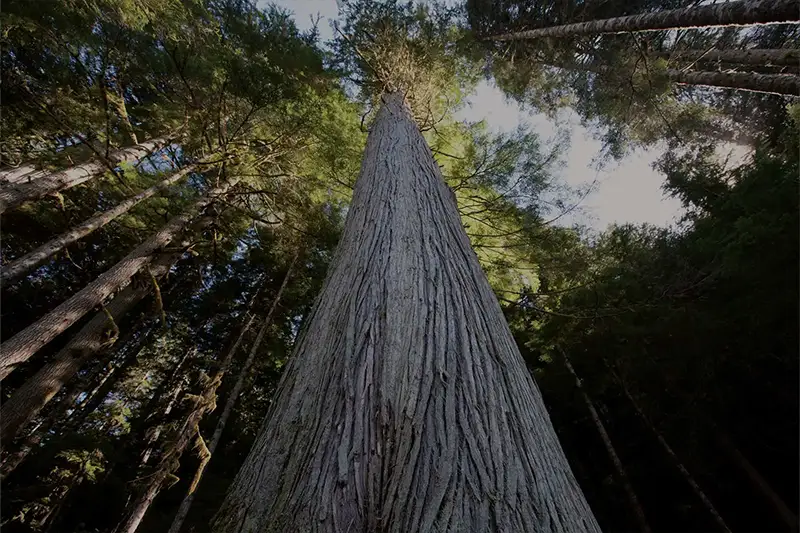
The Saanich Forestry Centre grows coastal forests from coastal seed. The main species produced include:
- Western Red Cedar
- Coastal Douglas-Fir
- Yellow Cypress, also known as Yellow Cedar
- Western Hemlock
- Sitka Spruce
- Other ecologically suitable coastal species
These species are selected based on the biodiversity and reforestation needs of specific operating areas. Some sites require cedar. Some require hemlock. Others are better suited to Douglas fir, spruce, yellow cedar, or mixed planting. The goal is not to simplify the forest. The goal is to regenerate forests that remain diverse, productive, and resilient.
Preparing for the future.
The Saanich Forestry Centre is part of Western’s response to a changing climate and changing forest profile. Our selection program focuses on traits that help future forests perform better, survive better, and produce high-quality wood.
Key traits include:
- Volume gain: Orchard seed can improve volume yield compared to naturally regenerated stock.
- Wood density: Selection supports structural performance and product quality.
- Disease resistance: Improved resilience helps protect future stands.
- Insect and fungus resistance: Natural selection supports stronger seedlings over time.
- Deer browse resistance: Seedlings are better positioned to survive early growth pressures.
- Climate suitability: Seedlings are matched to current and projected site conditions.
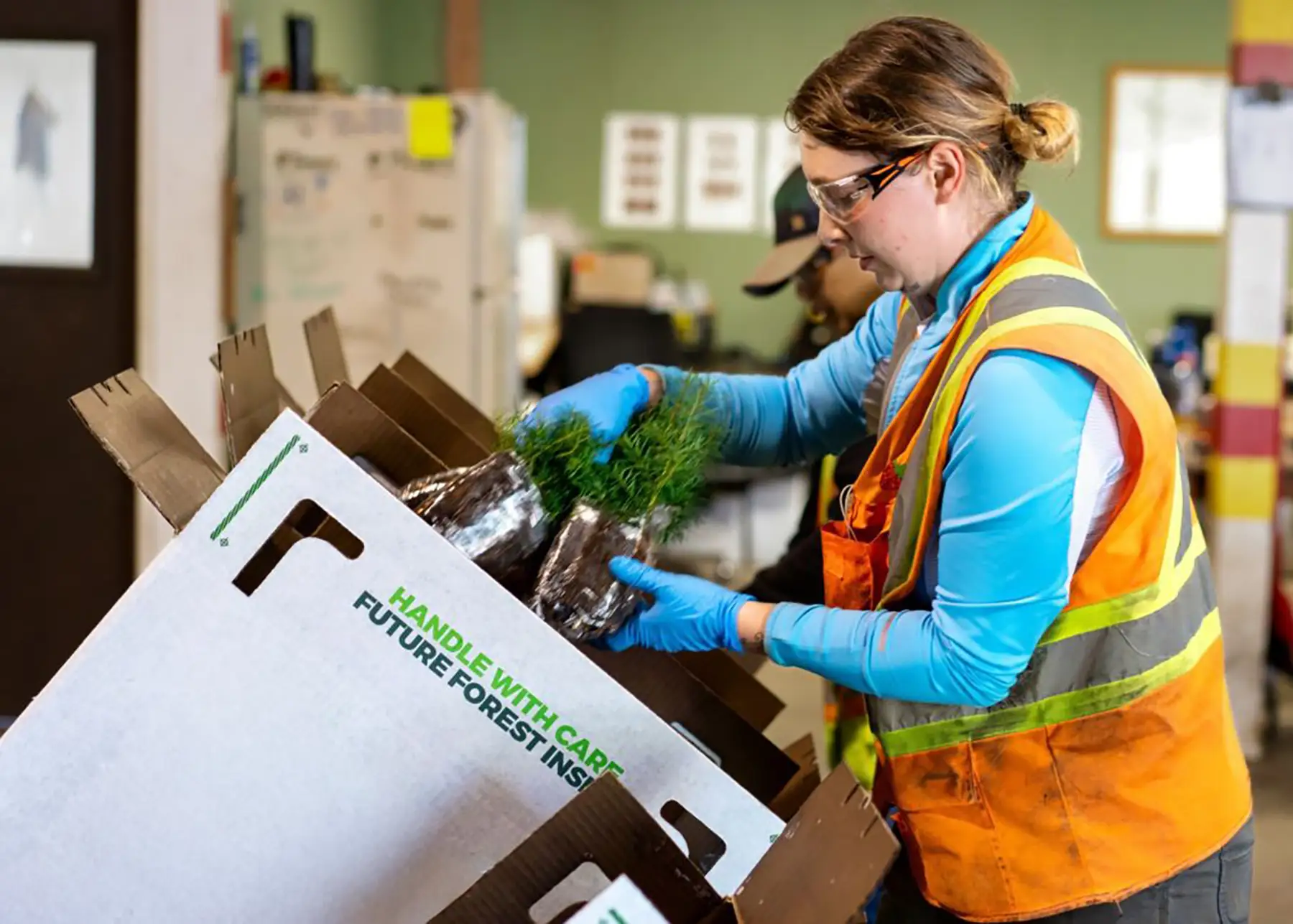
This is forest science with a practical purpose. Stronger seedlings support stronger forests. Stronger forests support better stewardship and better long-term outcomes for ecosystems, communities, and customers.