

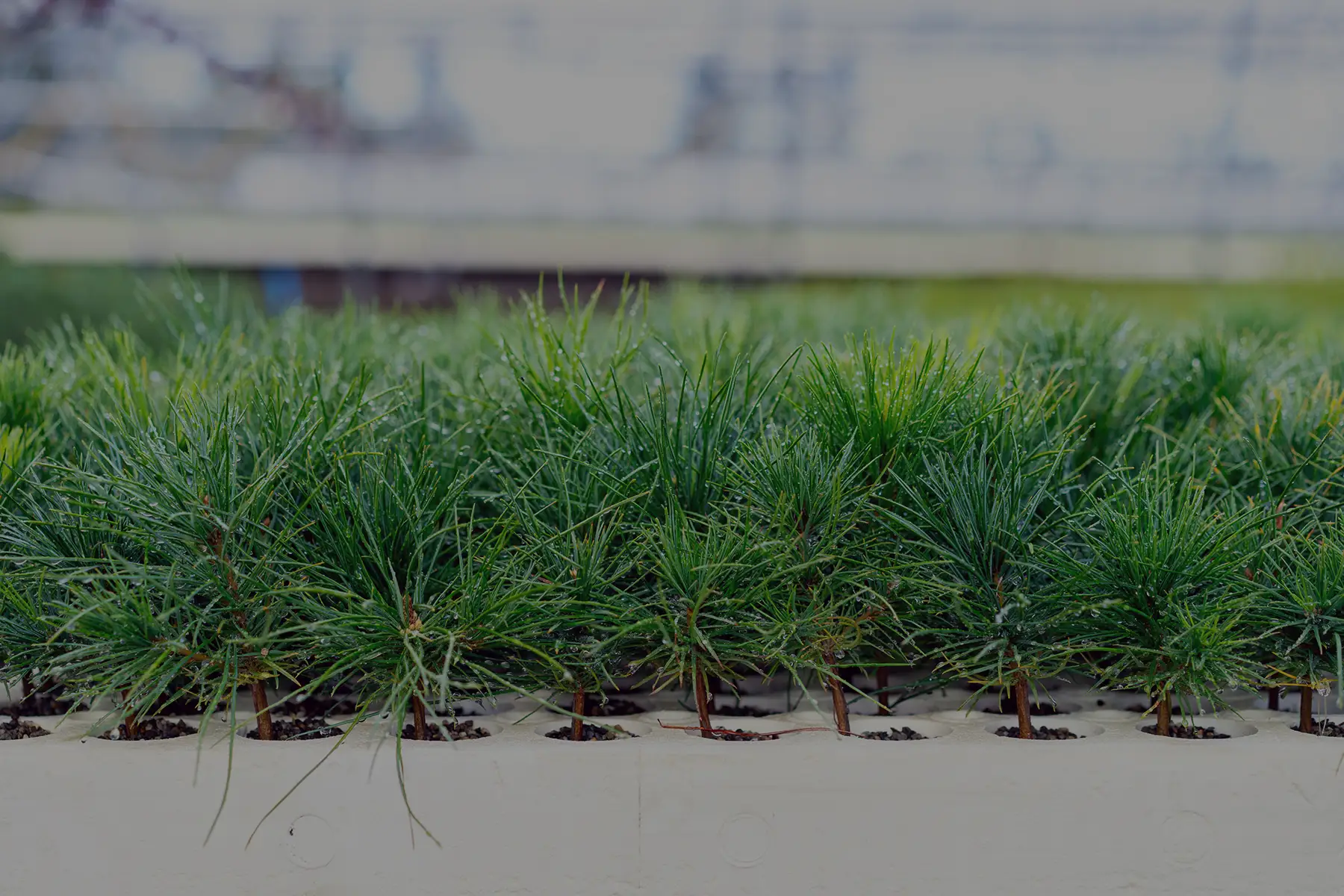

Hem-Fir is a practical starting point for thermal modification because its natural characteristics align well with what the process is designed to improve.
Enhanced durability, improved stability, and natural visual appeal.
Hem-Fir is workable, visually consistent, receptive to finishing, and already familiar to mills, builders, distributors, and manufacturers. When modified, those baseline strengths can be enhanced into a more stable, durable, and visually refined wood product for siding, decking, cladding, soffits, fascia, trim, and other appearance-grade applications.
Thermal modification expands the potential of Hem-Fir. It improves performance, strengthens its suitability for demanding applications, and brings out a rich, warm aesthetic that gives the material greater architectural value.
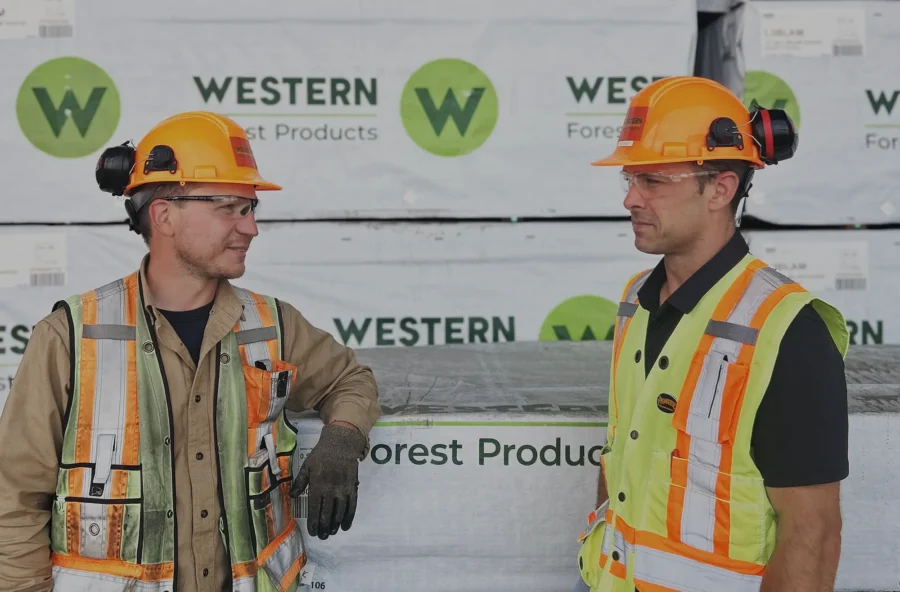
‘Hem-Fir gives us a strong material foundation. Thermal modification allows us to improve its stability, durability, and appearance for higher-value applications.’
Sepideh Nourian, Product Developer, Western Forest Products
Introducing Hem-Fir.
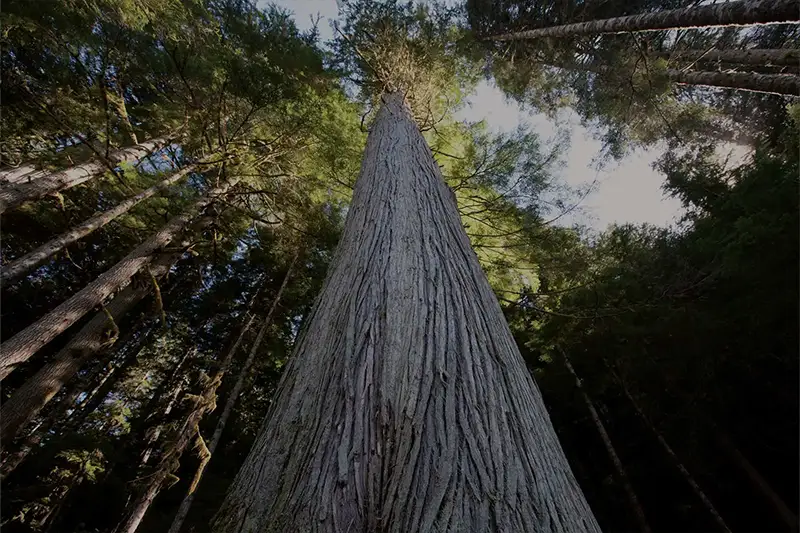
Hem-Fir is not a single species. It is a commercial lumber grouping used in North America, made up primarily of Western Hemlock and true firs such as Amabilis Fir on the B.C. coast. These species grow together naturally, have similar appearance and strength properties, and can be processed and marketed efficiently as one product category.
That grouping matters because product development depends on consistency. Hem-Fir offers a relatively uniform appearance, practical strength properties, and a long history of use in building products.
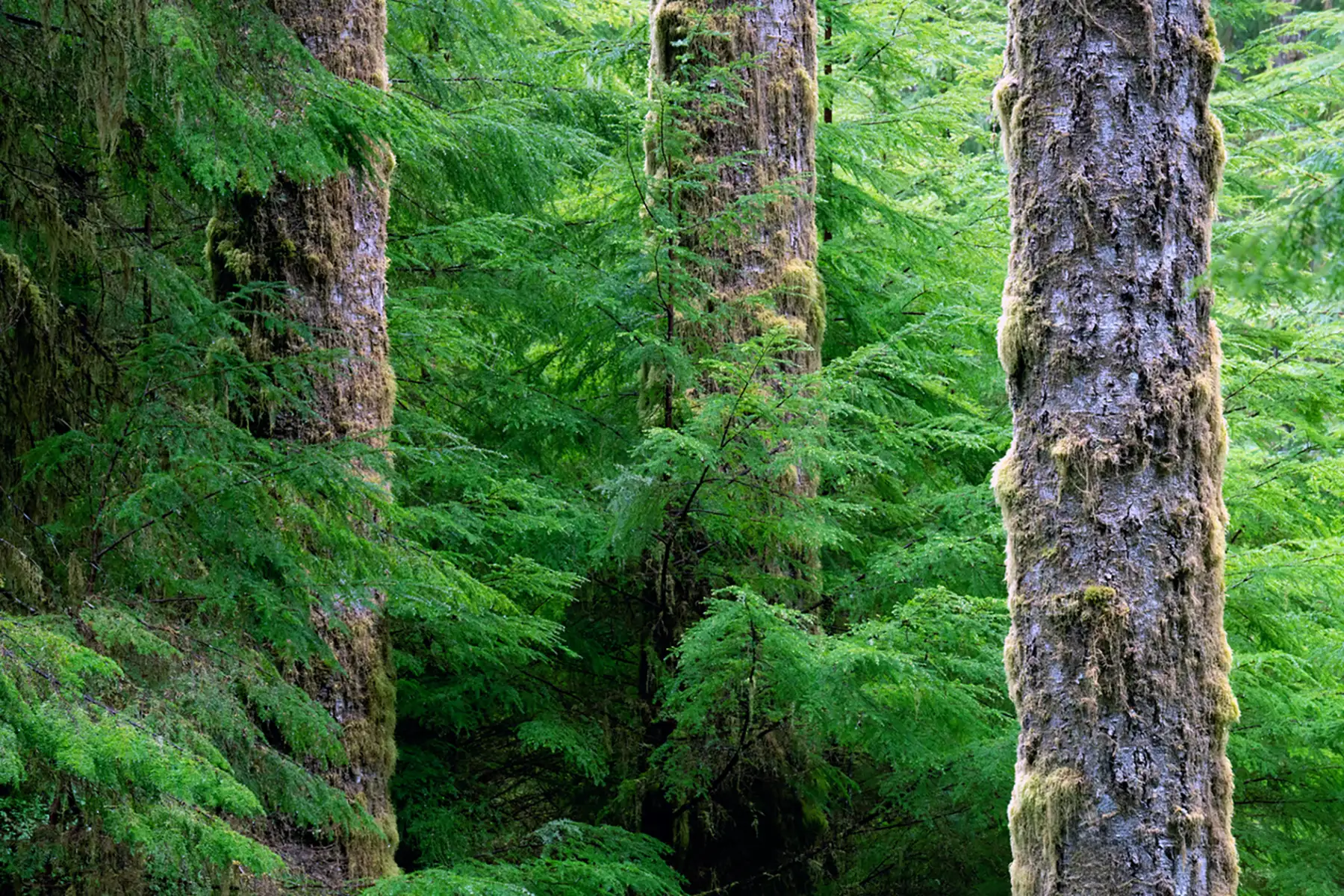
Western Hemlock is known for being non-resinous, easy to sand, easy to glue, and receptive to stains and finishes. Amabilis Fir is commonly grouped with Western Hemlock in the Hem-Fir species group for structural lumber and other applications.
Those attributes make Hem-Fir especially useful in a thermal modification program. The process can only create a strong product if the starting material can be machined, finished, installed, and supplied with discipline.
Why workability matters.
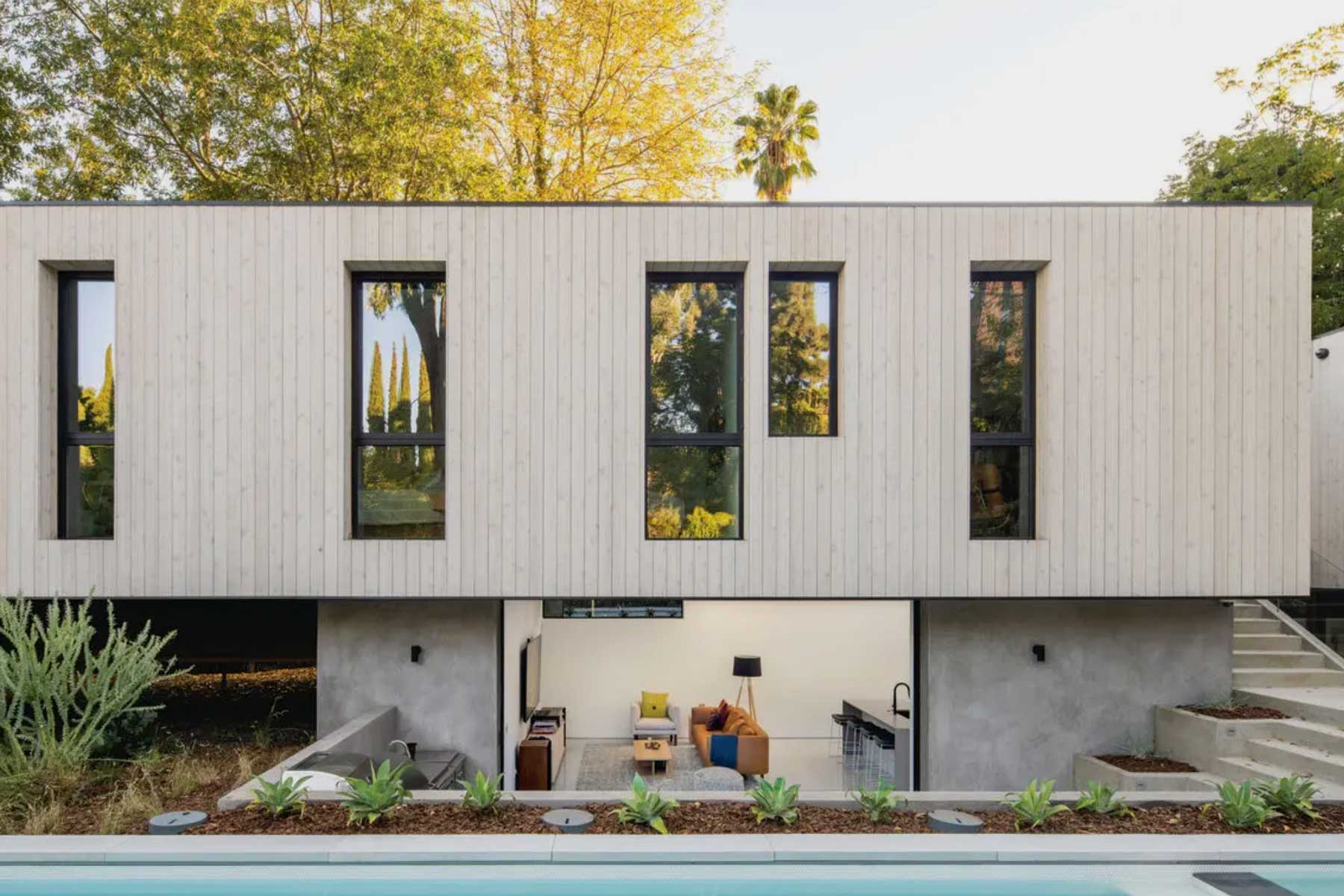
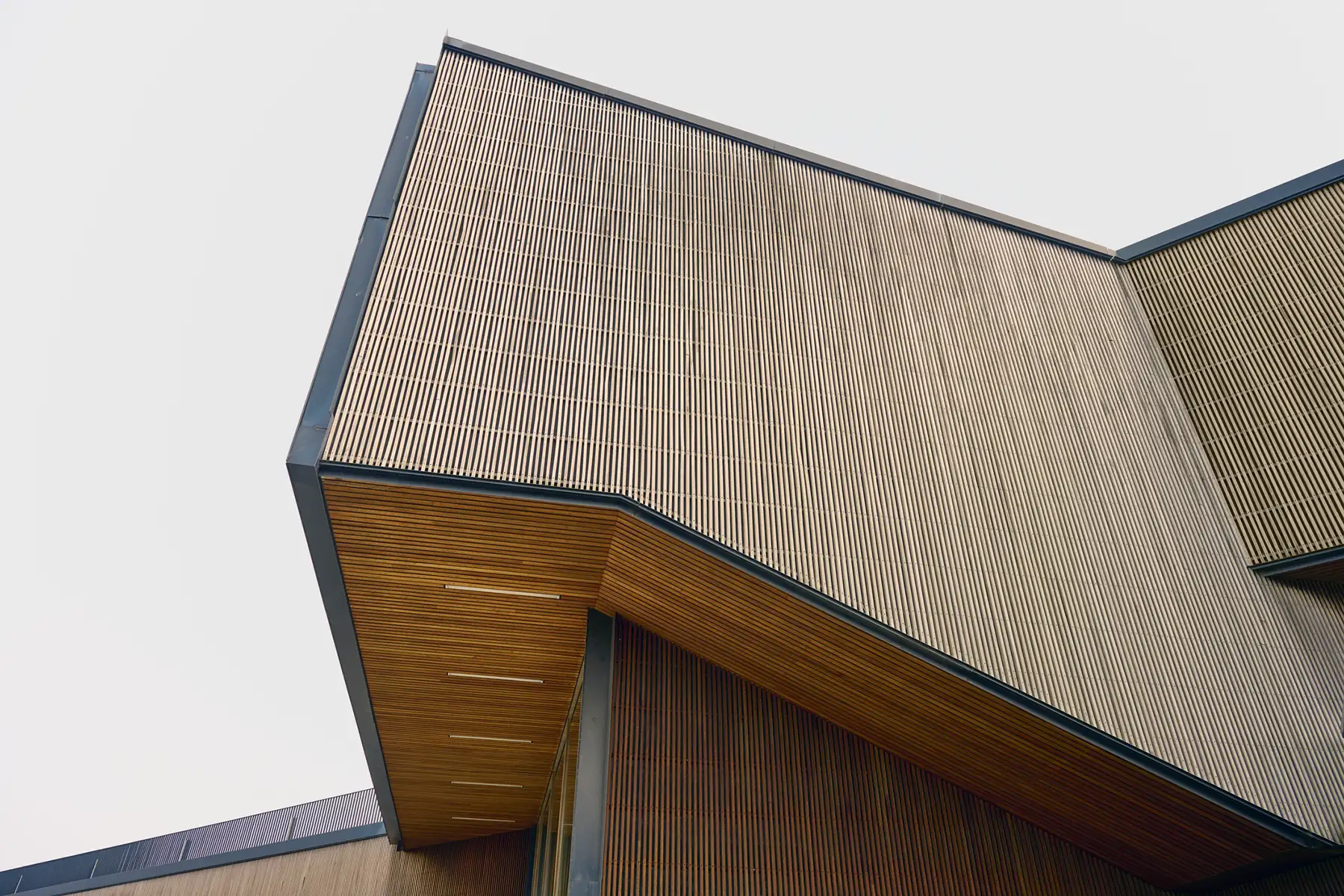
Hem-Fir’s fine grain, light colour, and workability make it well suited to this kind of development. Its pale starting colour gives thermal modification room to create a deeper, warmer tone. Its machining and finishing characteristics support product formats such as tongue-and-groove siding, decking profiles, trim, fascia, soffits, battens, and interior feature applications.
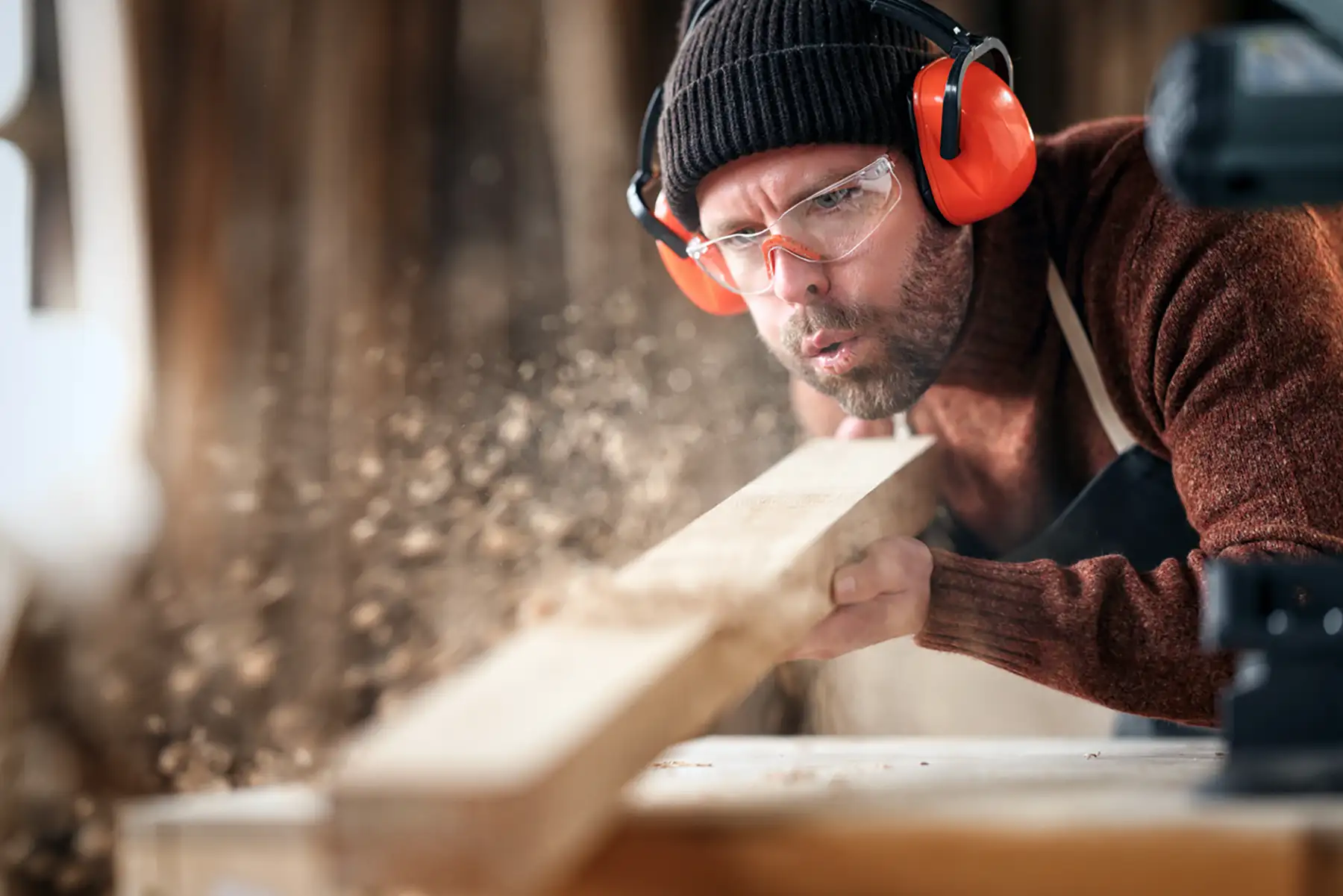
These characteristics work well for architects and builders. A high-performance material is only useful if it can also be detailed, installed, and finished with confidence. Hem-Fir provides a practical manufacturing base, while thermal modification improves the qualities that matter most in exposed and appearance-grade applications.
How thermal modification improves stability.
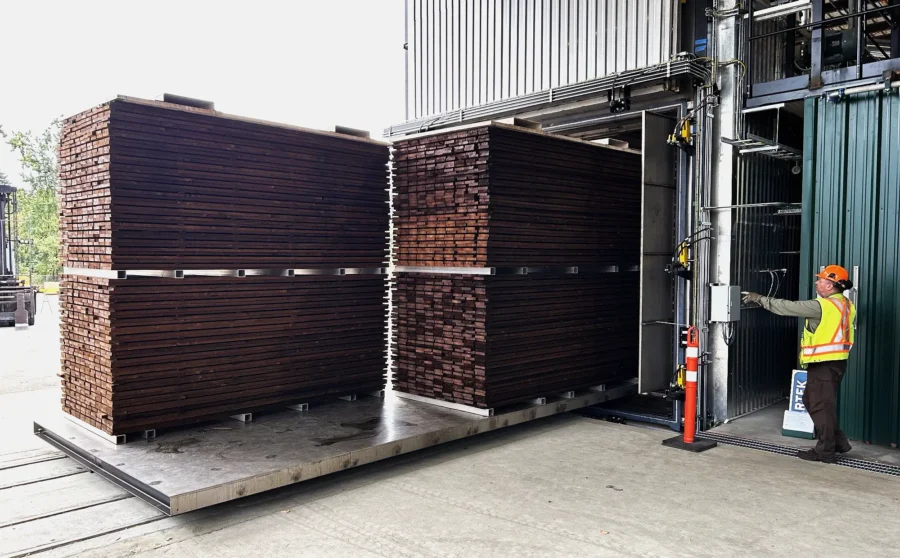
Wood naturally absorbs and releases moisture as humidity and weather change. That moisture movement can lead to swelling, shrinking, cupping, twisting, checking, and internal stresses. Thermal modification changes that relationship with moisture. Our process is an industrial-scale thermal modification method in which wood is modified at elevated temperature in the presence of steam, under atmospheric pressure, without added chemicals. The science behind this is well established. This process changes how the wood responds to moisture by permanently altering the wood structure and reducing the water-absorbing sites. This results in reduced equilibrium moisture content and improved dimensional stability.
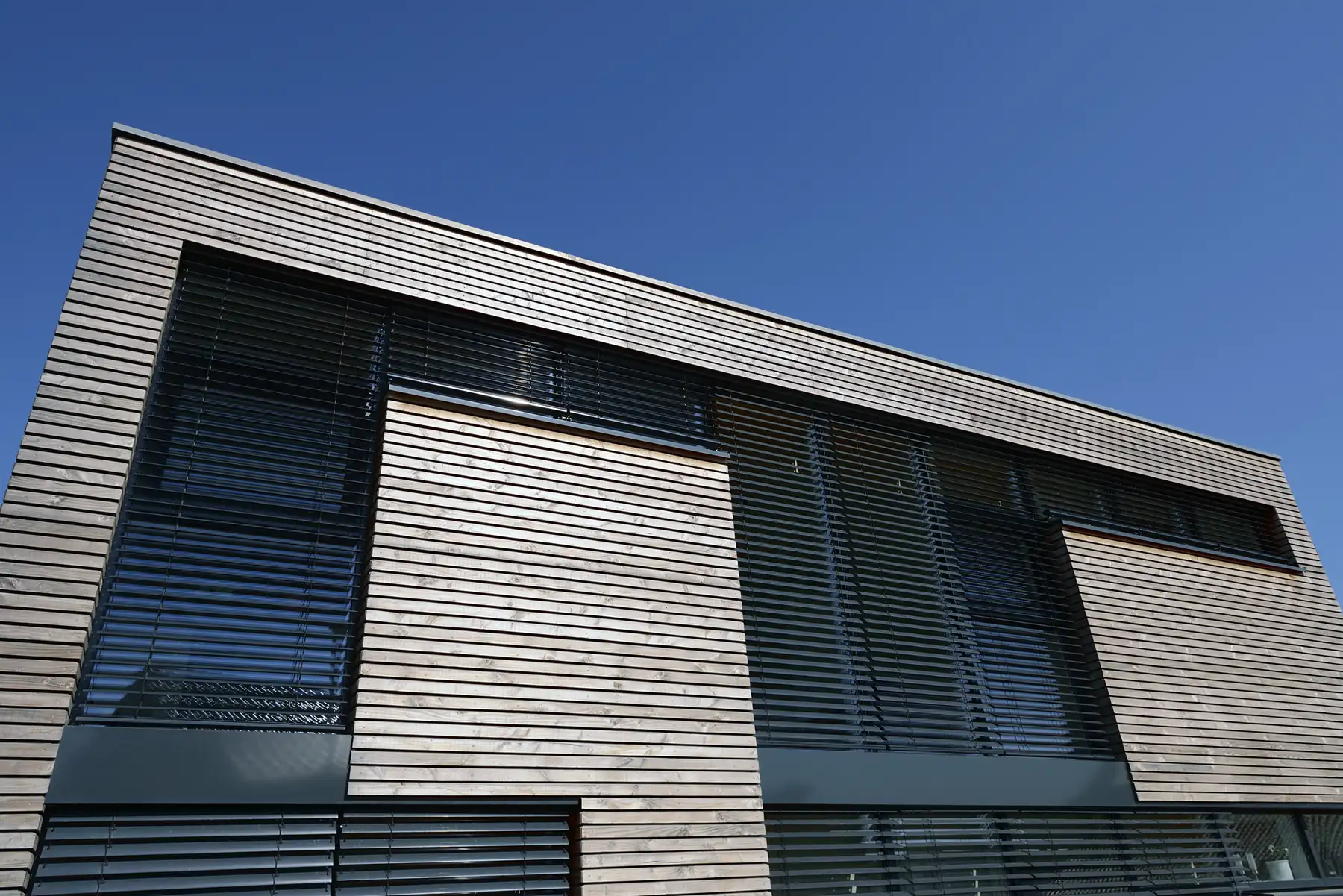
For Hem-Fir, that is a central advantage. By reducing moisture uptake, thermal modification can help the material remain more stable through seasonal changes. In practical terms, that means less movement, less swelling and shrinkage, and better suitability for applications where consistent appearance and fit matter.
How thermal modification improves durability.
Thermal modification improves the wood’s natural resistance to fungal decay. Fungi need moisture, oxygen, and nutrients such as simple sugars in the wood to grow. During thermal modification, the wood becomes less able to absorb moisture, and some of these sugars are reduced. This makes the wood a less favourable environment for fungal growth and improves durability without using chemical treatments.
Western’s internal product development materials apply this logic directly to Hem-Fir. Thermally modified Hem-Fir maintains chemical-free modification based on heat and steam rather than added preservatives.
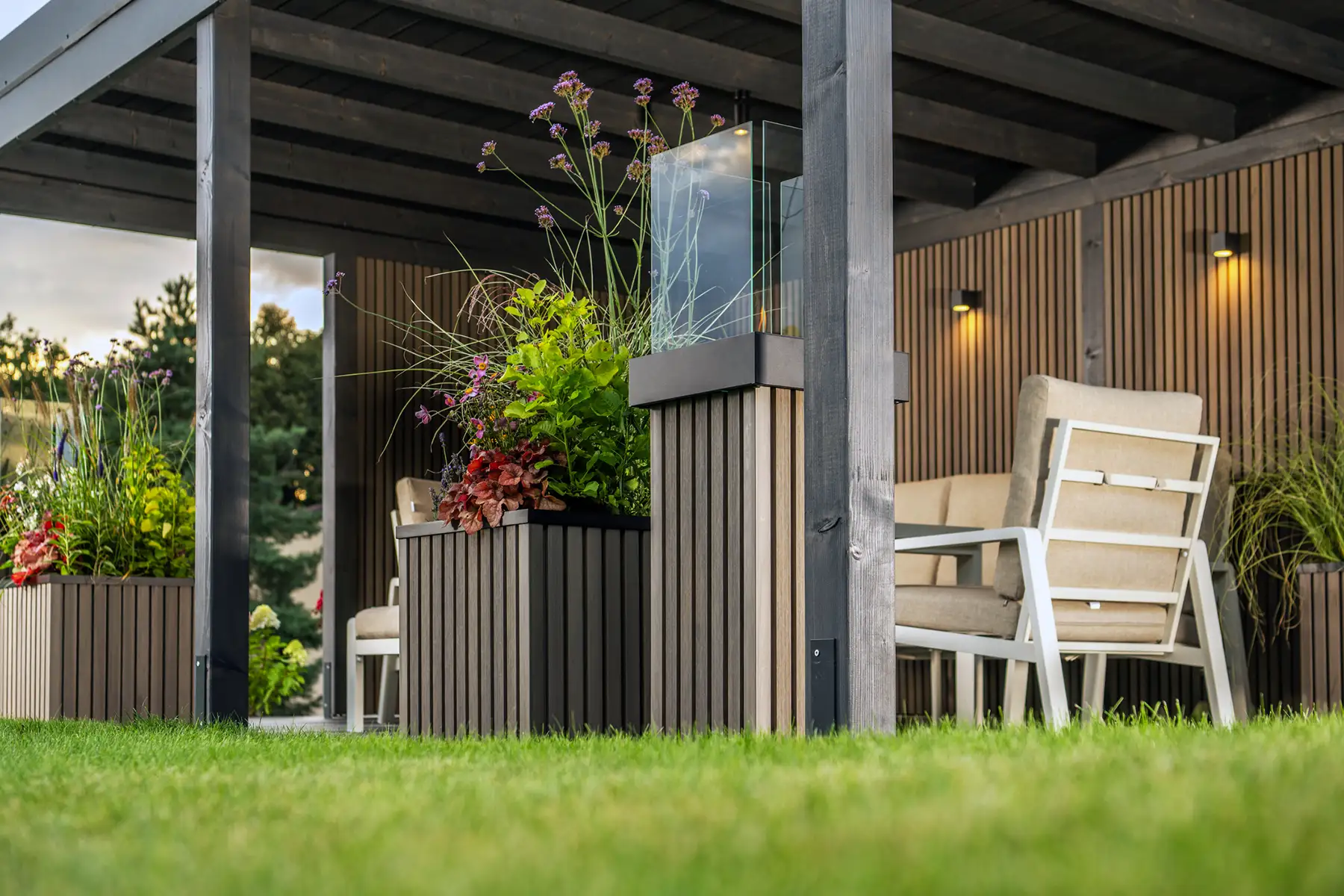
This does not mean thermally modified Hem-Fir should be treated as a universal solution for every exposure condition. Product claims still need to be supported by testing, application guidance, and field validation. But for above-ground applications such as siding, cladding, decking, soffits, fascia, trim, and architectural features, improved durability is a meaningful performance benefit.
‘The value of thermal modification is that it improves the wood where exterior applications need it most, moisture behaviour, dimensional stability, and resistance to decay.’
Sepideh Nourian, Product Developer, Western Forest Products
Why aesthetics matter.
Performance alone does not earn a place in modern design. A material also has to look good, feel natural, and contribute to the character of the space.
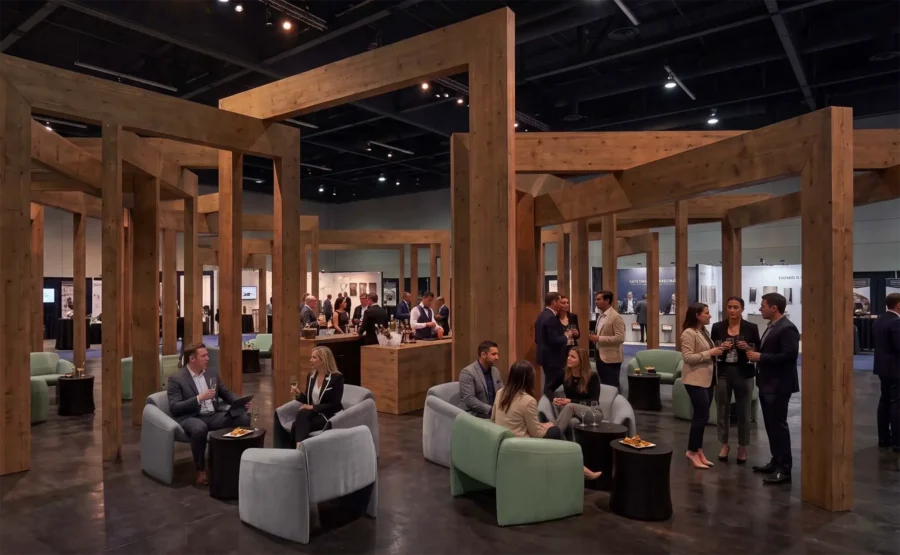
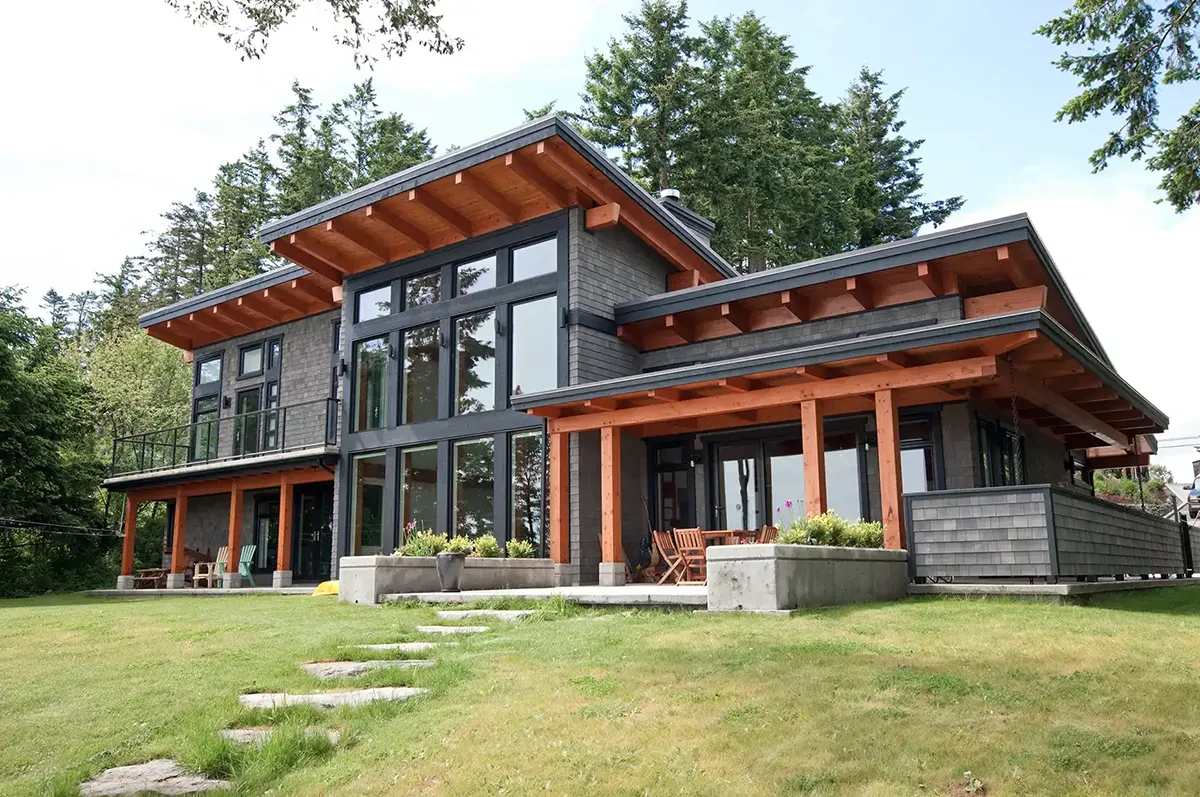
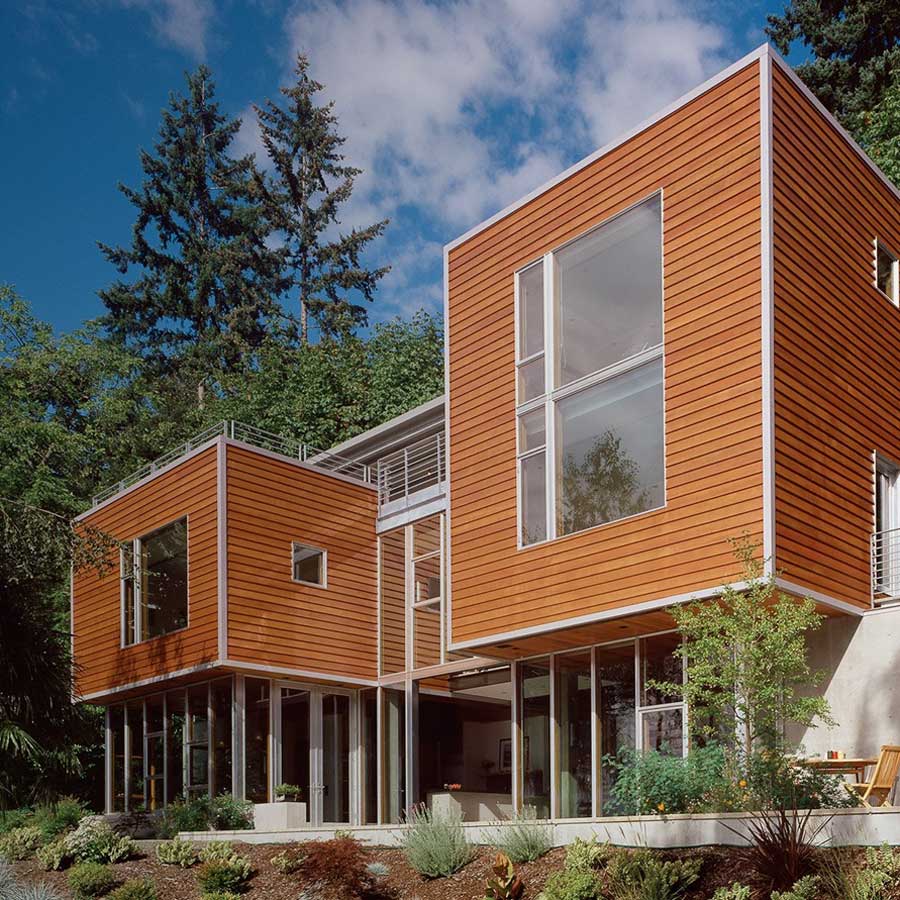
Thermal modification gives Hem-Fir a rich, warm tone that can resemble cedar or some tropical hardwoods. It results from chemical changes throughout the wood structure during heat treatment. The Thermowood® Association identifies consistent colour throughout the wood as one of the key benefits of Thermowood® products, alongside dimensional stability, improved moisture resistance, and suitability for cladding and outdoor structures.
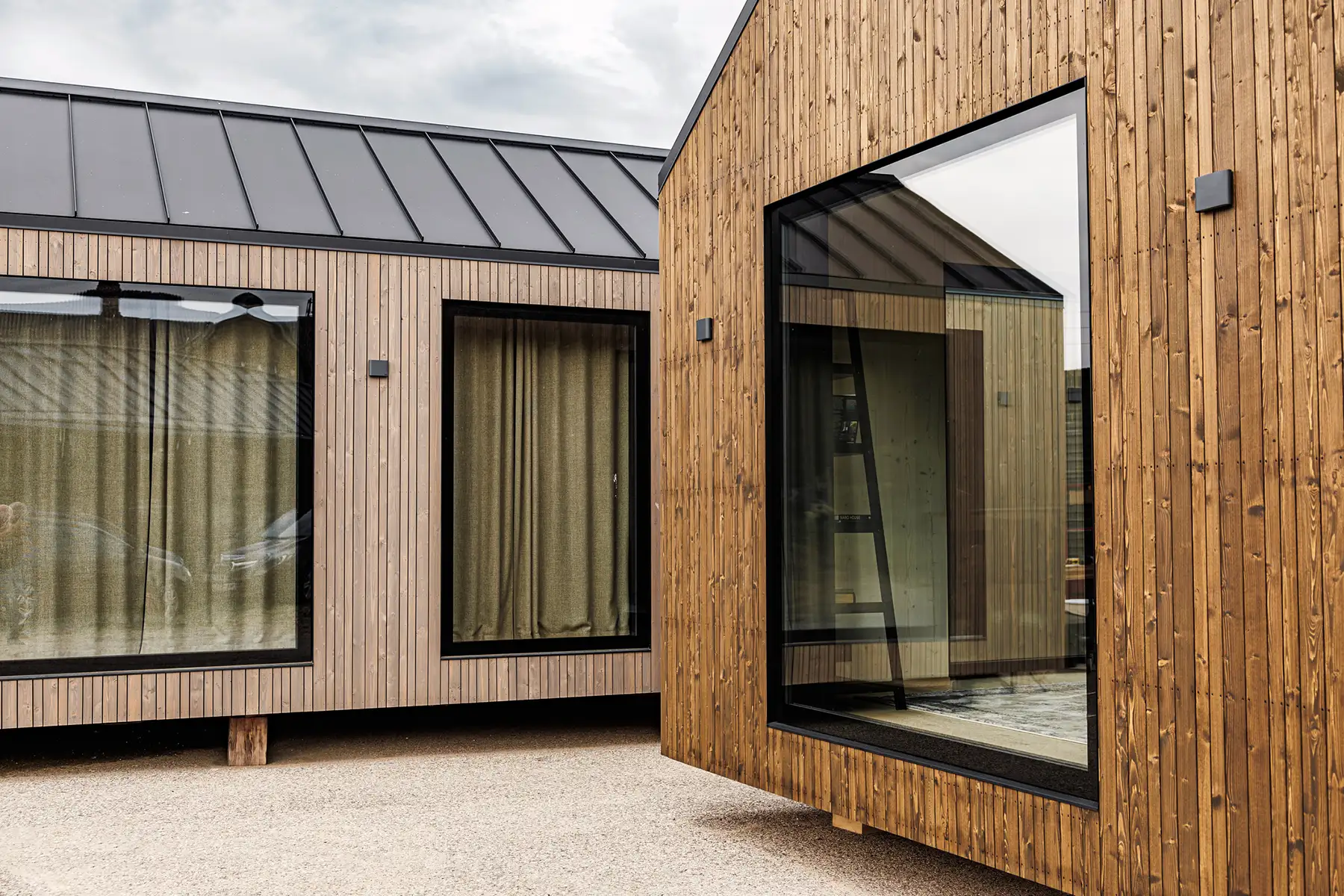
For designers, that is important. Thermally modified Hem-Fir offers the grain, texture, and tactility of wood, with a warmer and more refined appearance than conventional untreated material. Left unfinished, it can weather toward a grey patina. Finished, it can retain more of its warm tone depending on the coating system, exposure, and maintenance.
The right fit for higher-value applications.
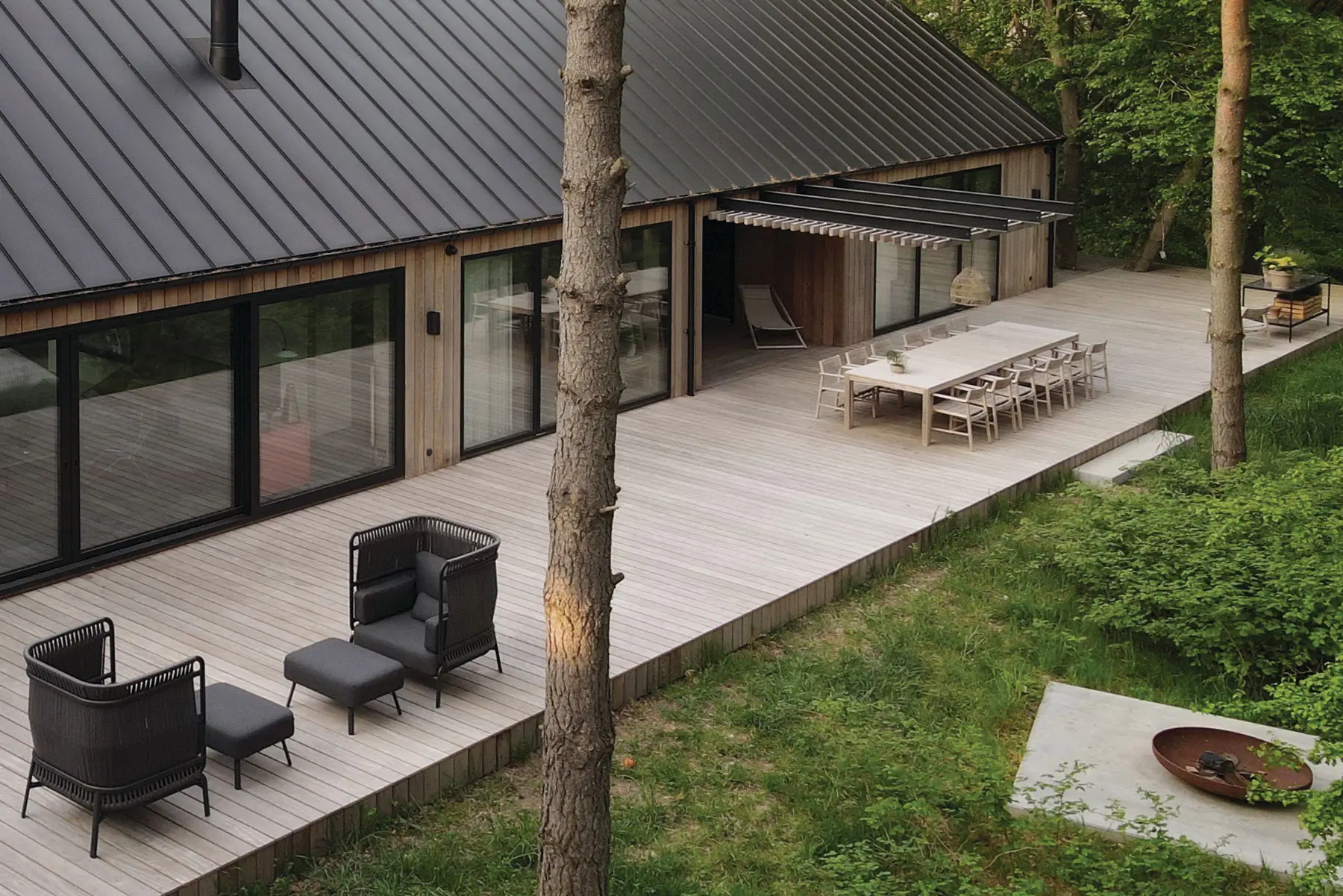
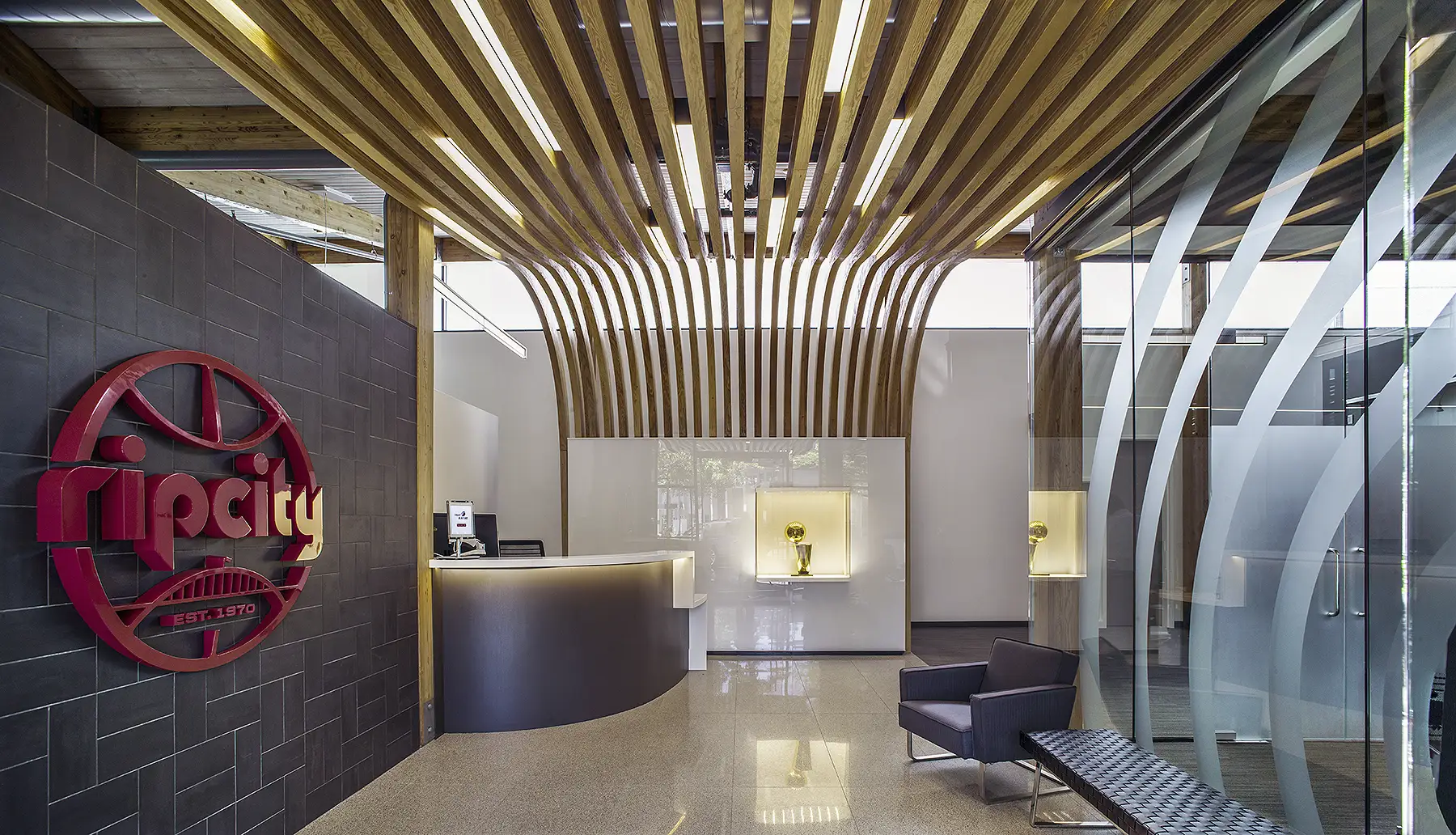
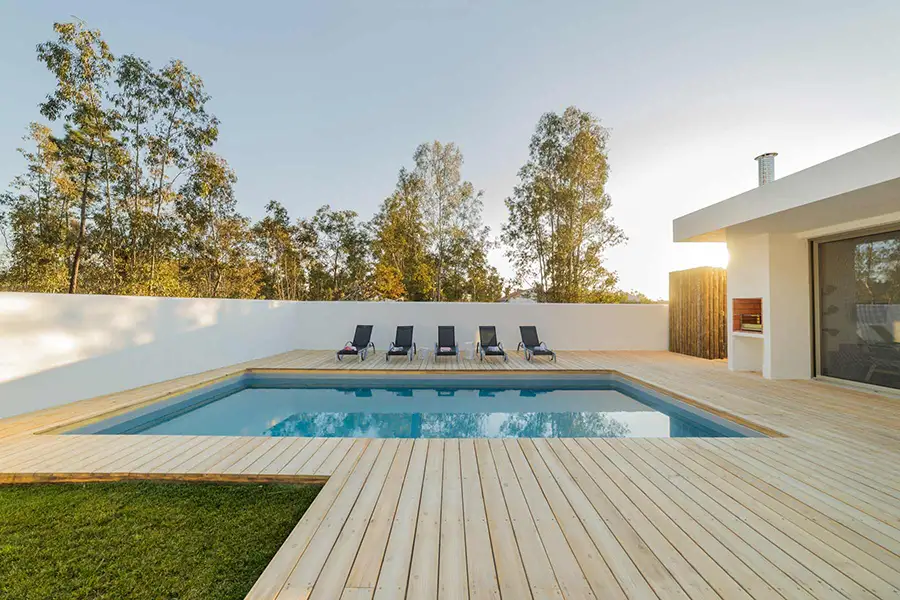
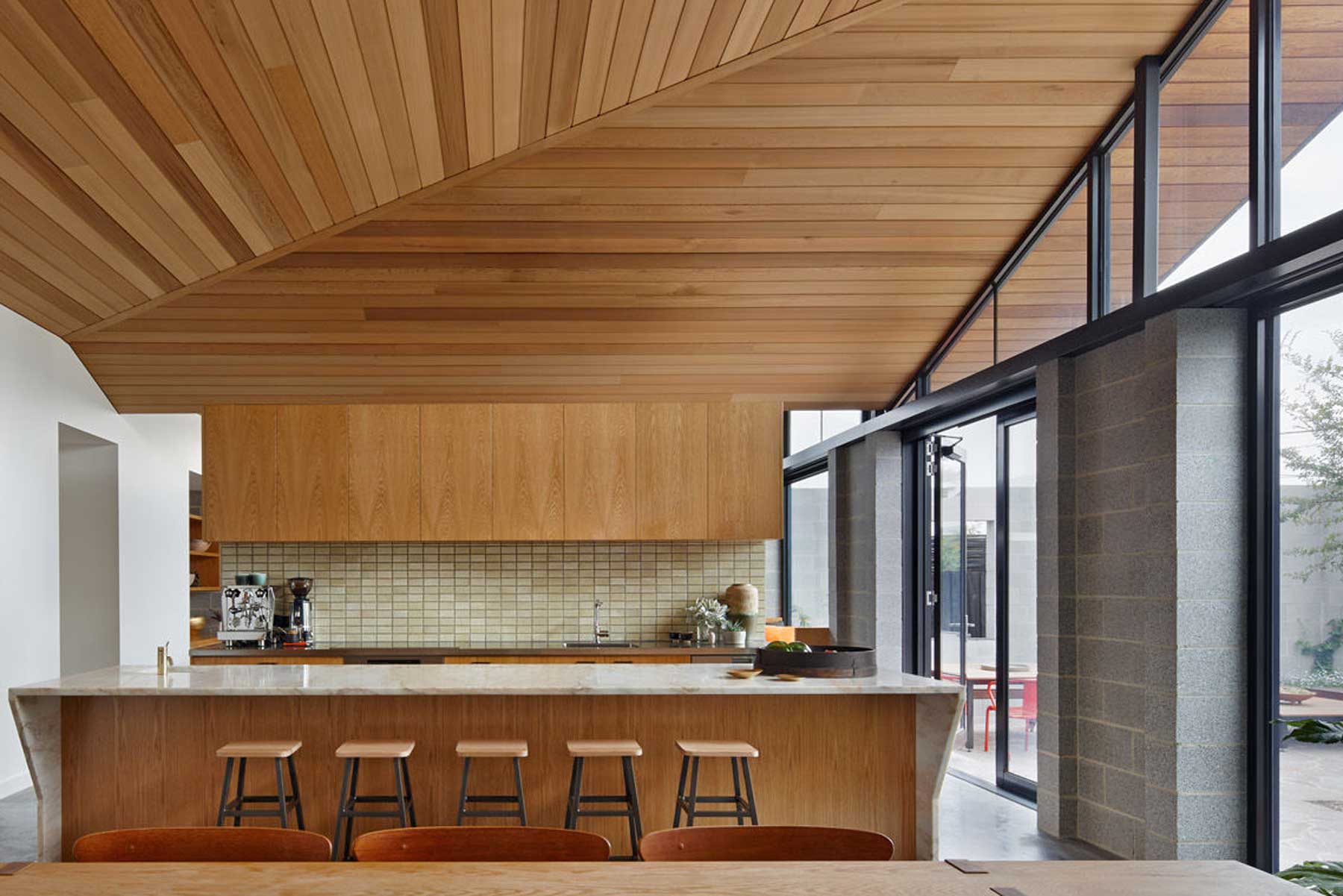
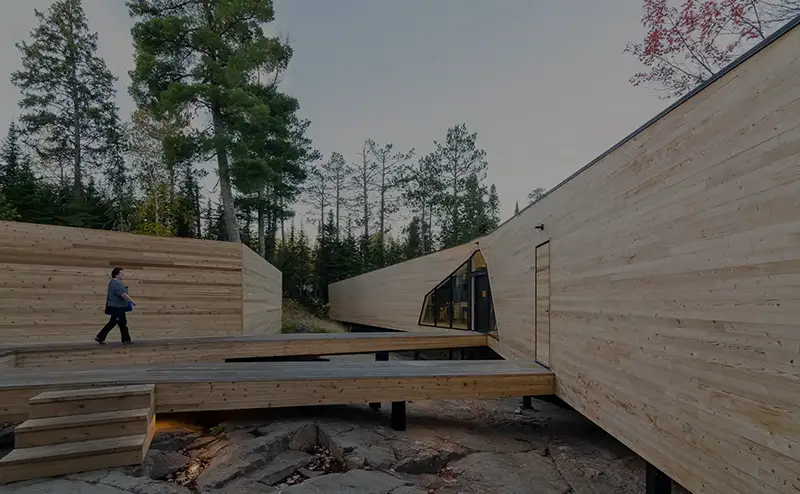
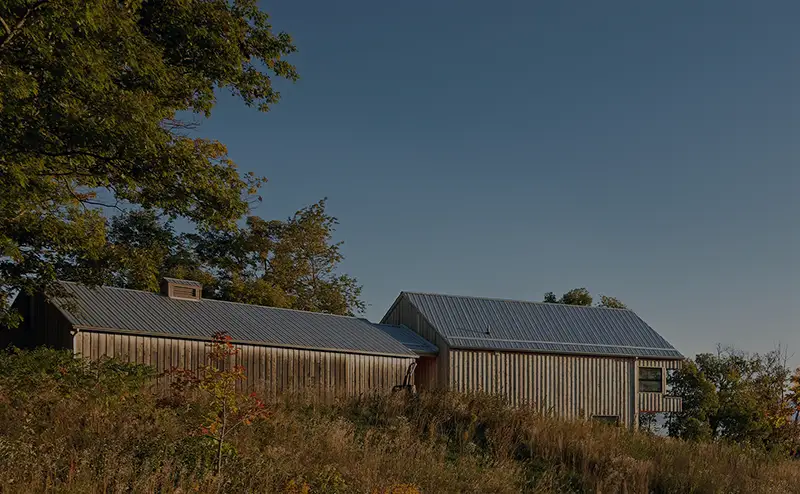
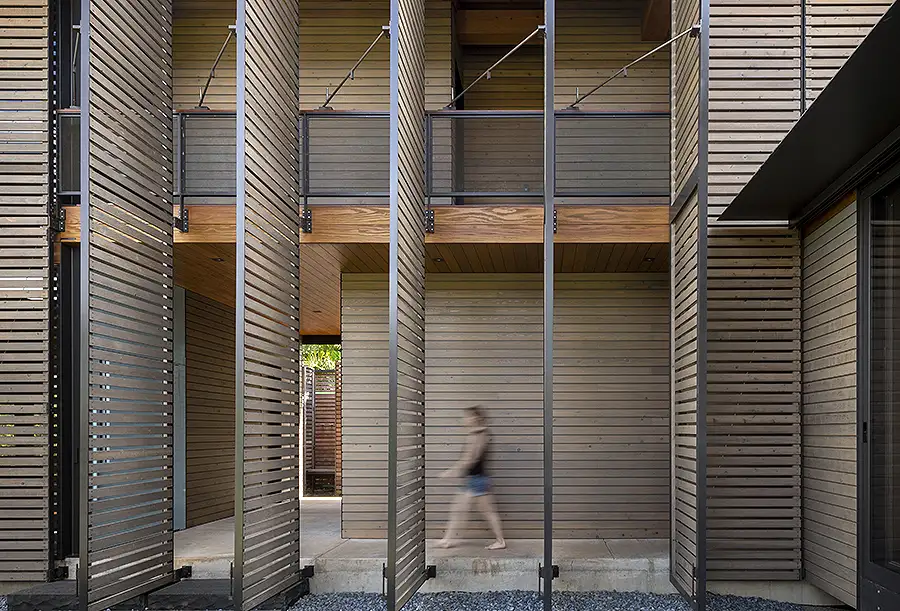
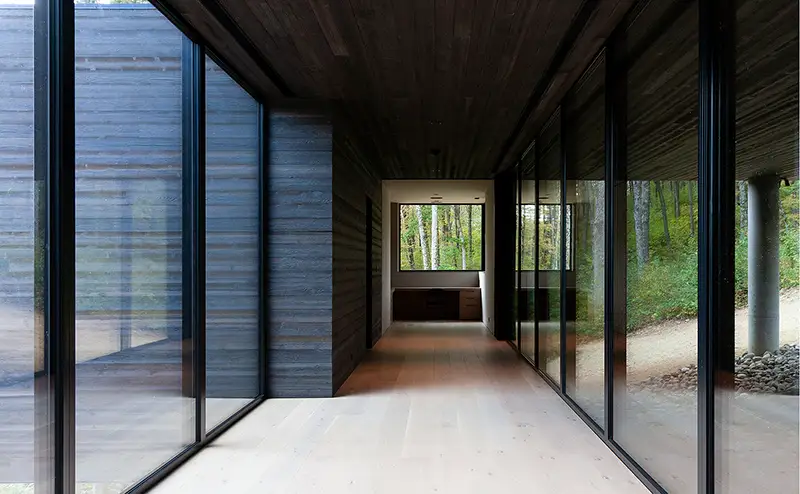
Thermally modified Hem-Fir is best understood as an appearance-grade outdoor and interior living product for applications where performance and design both matter. It has relevance for exterior siding, wood cladding, decking, soffits, fascia, trim, battens, and selected interior features.
Hem-Fir is a strong candidate for thermal modification because it gives the process something worth improving. Thermal modification takes its practical base characteristics and elevates them into a higher-performing material for modern construction and design.
‘The goal is not to make Hem-Fir something it is not. The goal is to enhance what it already does well, and make it more useful for the applications customers care about.’