

Learn how we validate thermally modified Hem-Fir through fibre selection, process trials, laboratory testing, finishing trials, field monitoring, and pilot projects.
Thermal Modification Testing Methodology.
The most important part of commercialization is not just proving that thermal modification works. It is proving how our thermally modified Hem-Fir performs, where it performs best, and what guidance architects, builders, distributors, and installers need to use it confidently.
Our testing methodology is built around five key stages:
1. Fibre Selection and Baseline Characterization.
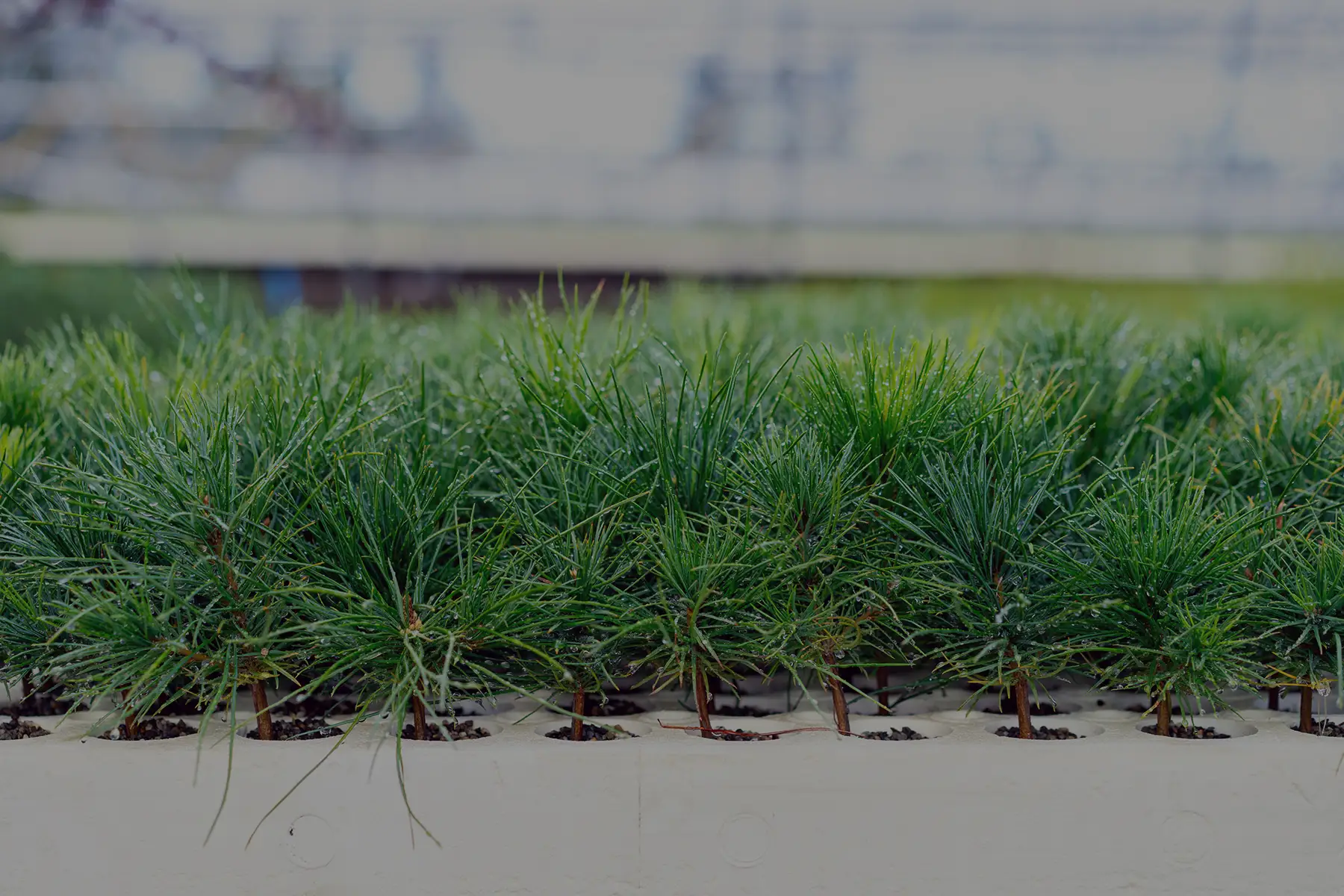
We begin our thermal modification testing methodology by understanding the raw material. That includes species mix, grade, knot profile, density, moisture content, grain characteristics, and sawn dimensions. Baseline testing establishes how untreated Hem-Fir performs before modification, so we can measure the effect of treatment accurately.
2. Process Trials and Treatment Schedule Development.
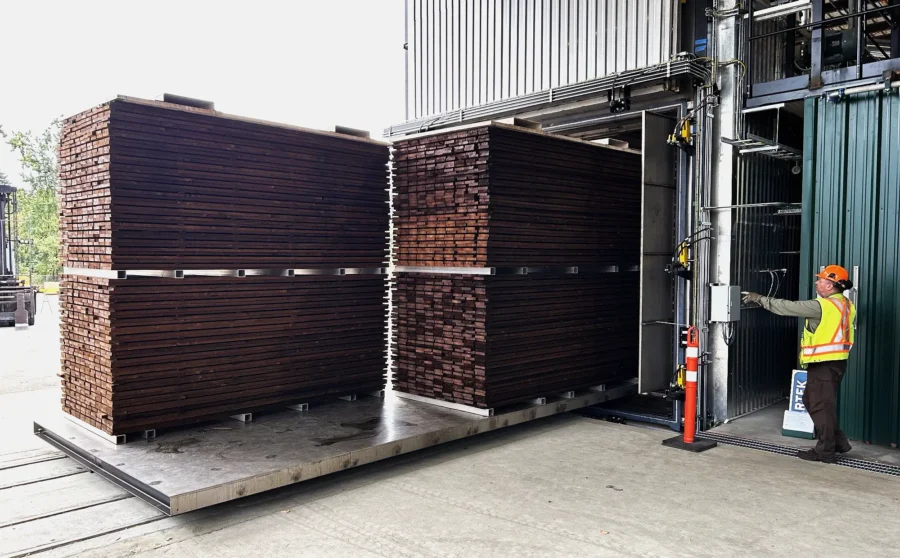
The next stage is controlled process trials. Different temperature ranges, treatment durations, drying curves, conditioning cycles, and load configurations are evaluated to identify the treatment schedule that gives the best balance of dimensional stability, durability, colour, strength retention, machinability, and finish performance.
This is where process discipline matters. Treatment that is too mild may not deliver the target durability or stability. Treatment that is too intense can affect strength, brittleness, checking, or yield. The goal is not maximum heat. The goal is the right thermal profile for the intended product applications.
3. Laboratory Performance Testing.
Once viable process schedules are identified, product samples are evaluated through laboratory testing. This stage is designed to generate objective data across physical, mechanical, biological, durability, characteristics, surface, and fire-related performance categories.
The purpose is to understand both the benefits and the trade-offs. Thermally modified wood should be positioned through measured performance, not assumption.
4. Finishing, Machining, and Application Trials.
Thermally modified Hem-Fir must also work as a real building product. That means we need to test machining, profiling, sanding, staining, coating, fastening, field cutting, and installation behaviour.
This stage involves value-add partners, finish suppliers, millwork partners, builders, and installers. The goal is to create practical product guidance, not just lab data. A board that performs in a lab still has to machine cleanly, hold fasteners properly, accept finishes predictably, and install well in real construction conditions.
5. Pilot Projects and Field Monitoring.
The final stage is field validation. Pilot installations expose the product to real conditions, including UV exposure, rain, wind, seasonal humidity changes, temperature cycling, and actual construction practices.
Field monitoring helps us understand colour change, weathering, dimensional movement, coating performance, fastener behaviour, installer feedback, and homeowner or builder response. These findings then feed back into product specifications, installation guidance, maintenance recommendations, and future treatment schedule refinement.
‘Laboratory data tells us what the material can do. Field trials tell us how it behaves when real weather, real builders, and real projects get involved.’
The product outcome: Stable, durable, natural, and visually rich.
The end product matters because performance alone is not enough. Architects, builders, and homeowners want wood that works, but they also want wood that looks beautiful.
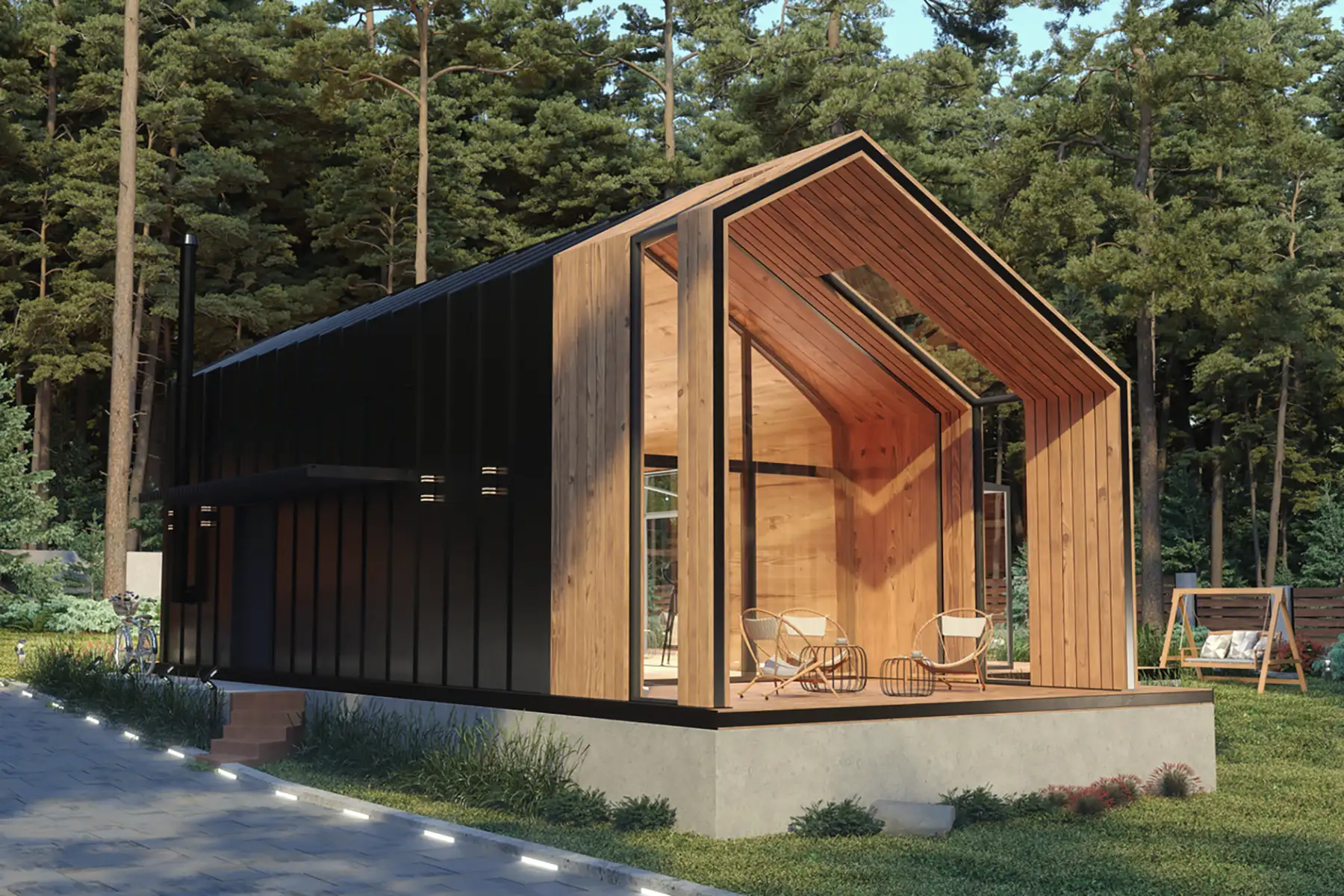
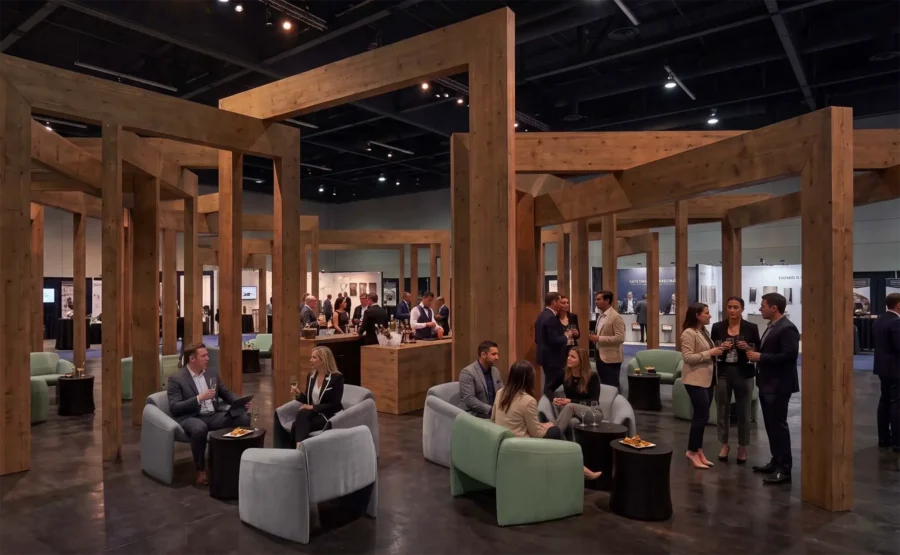
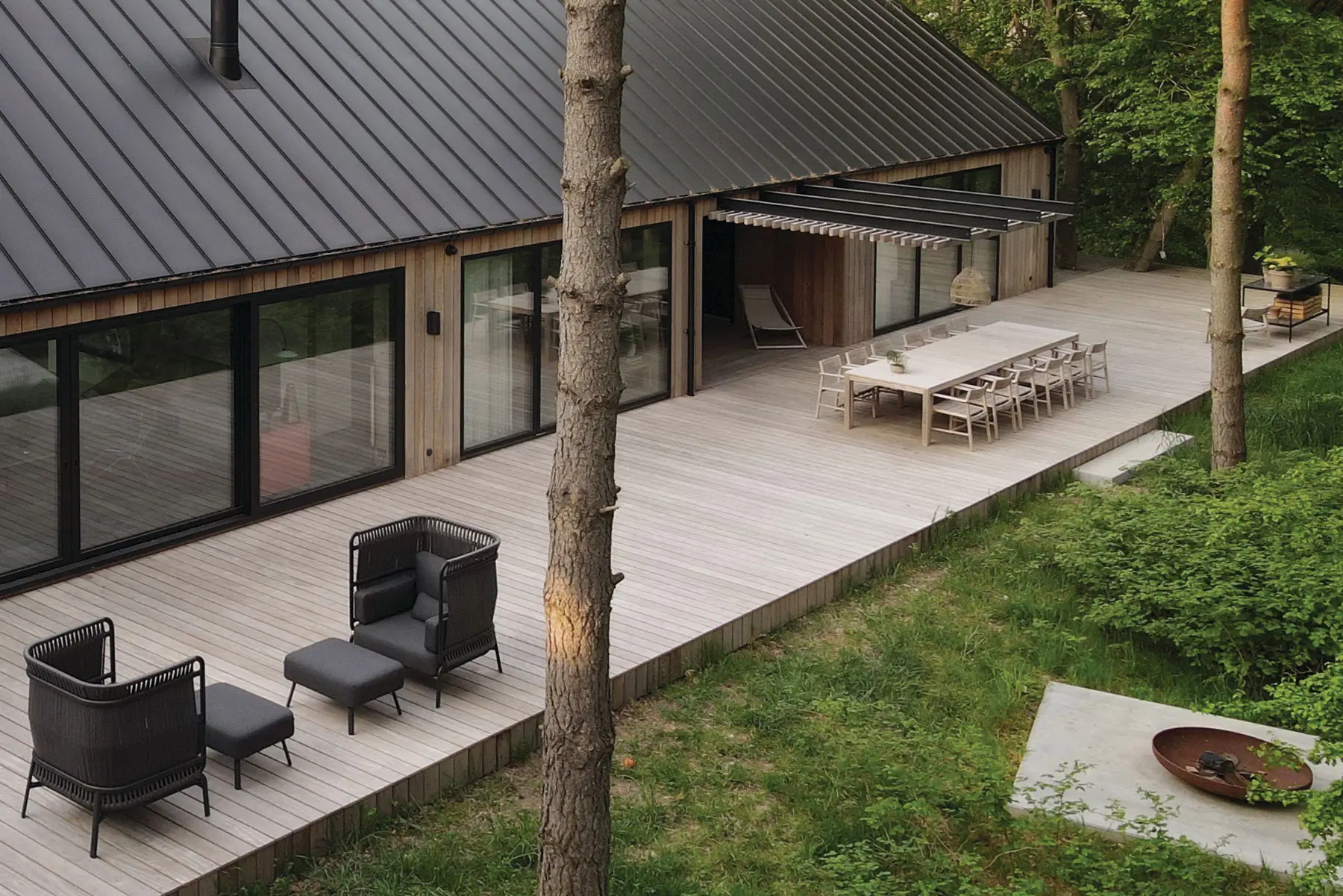
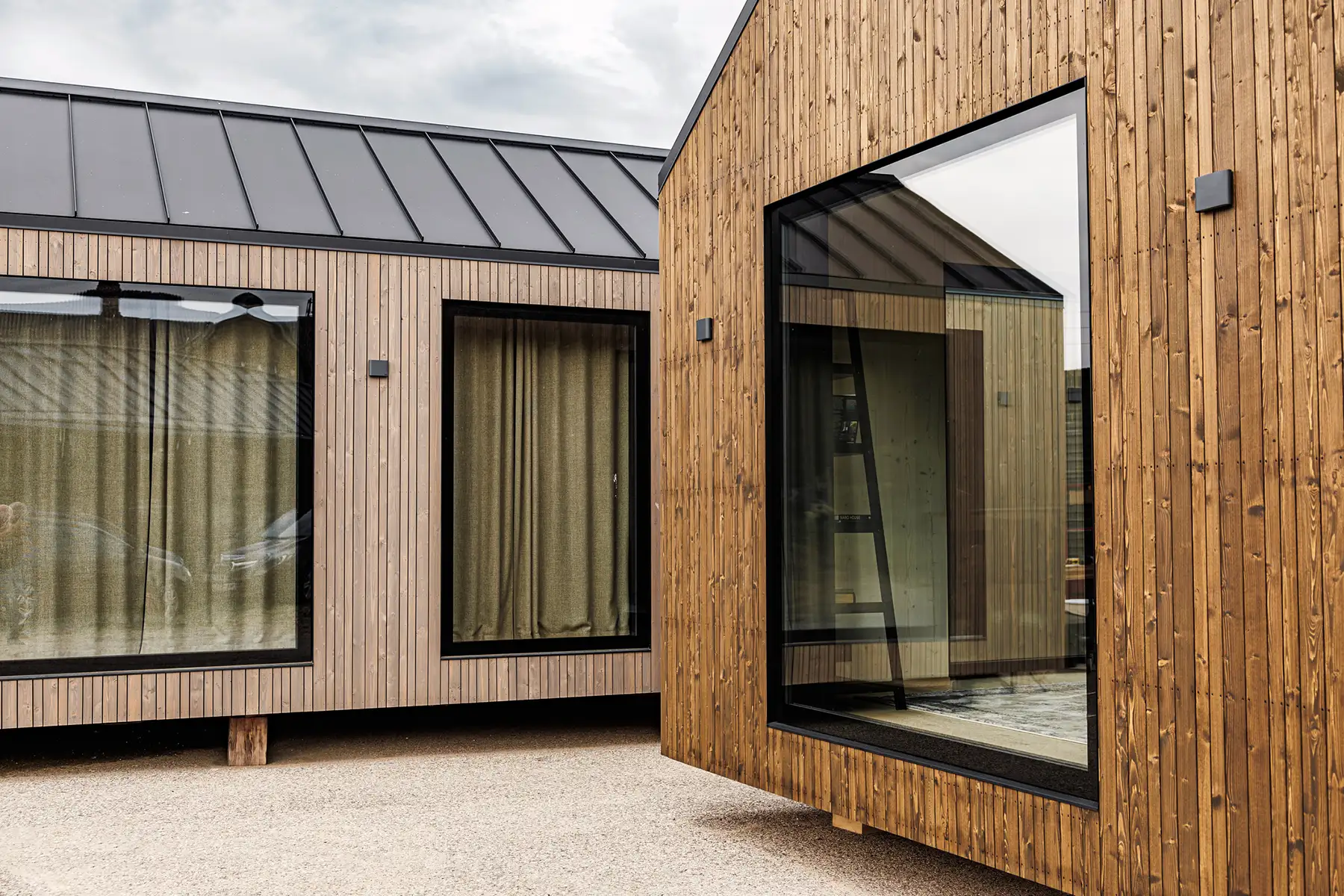
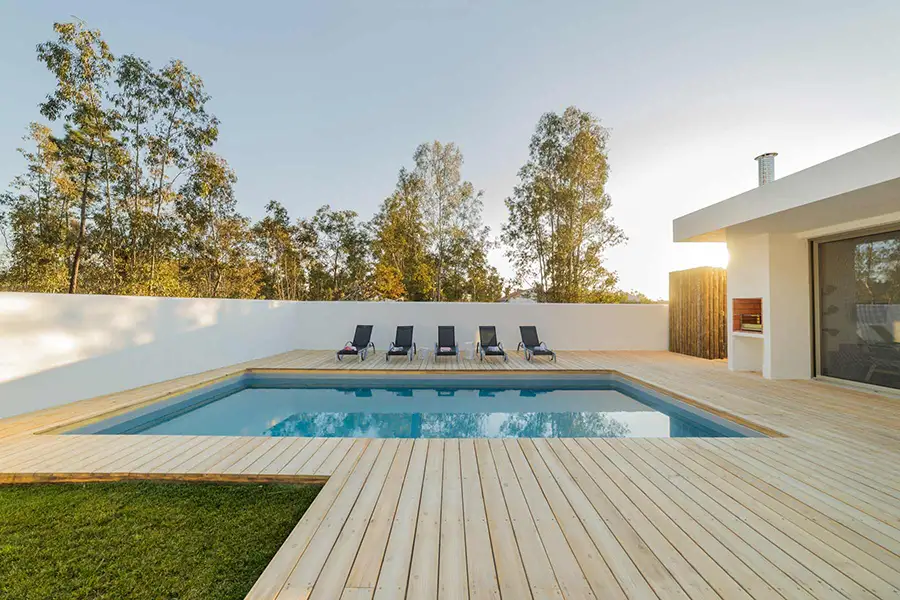
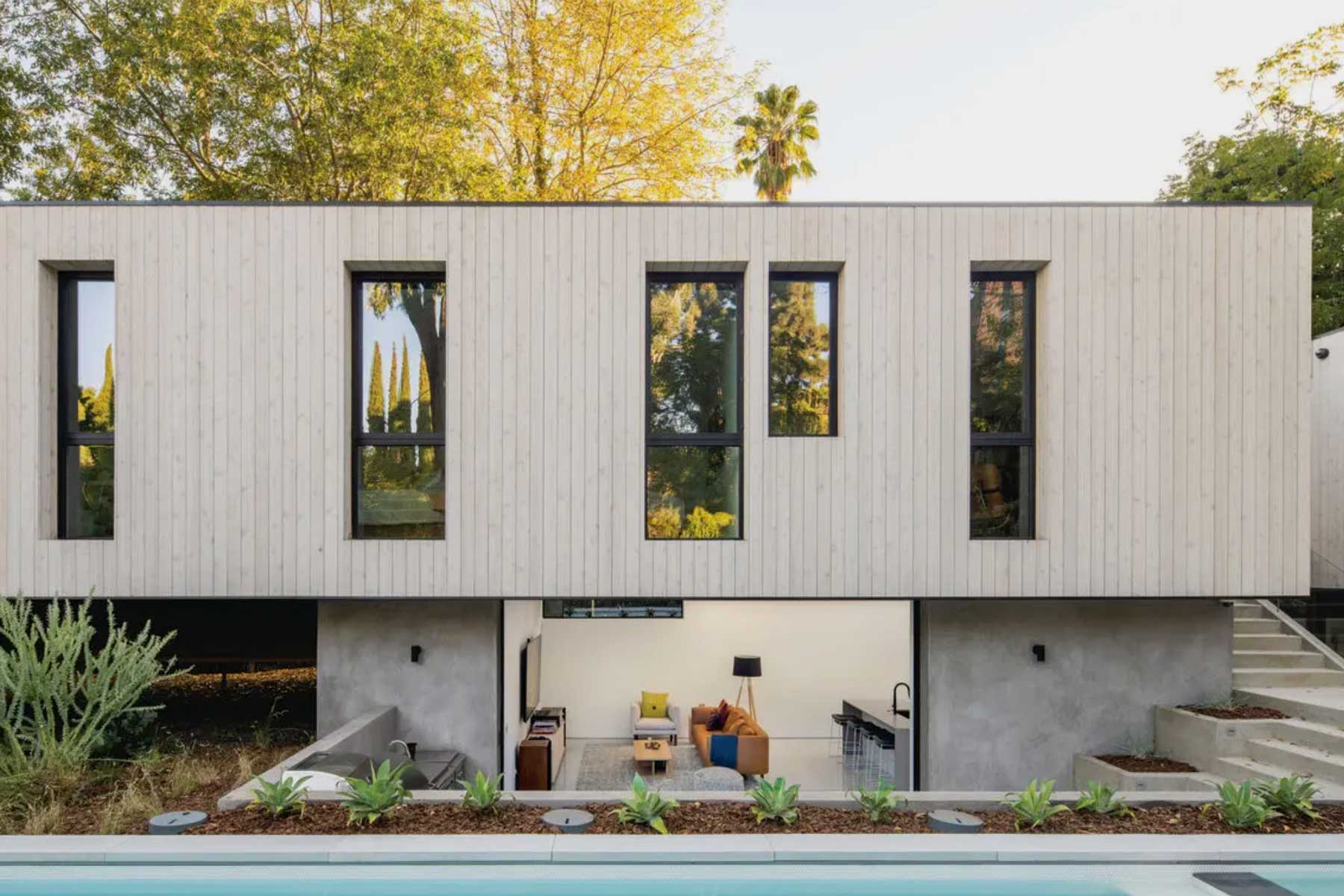
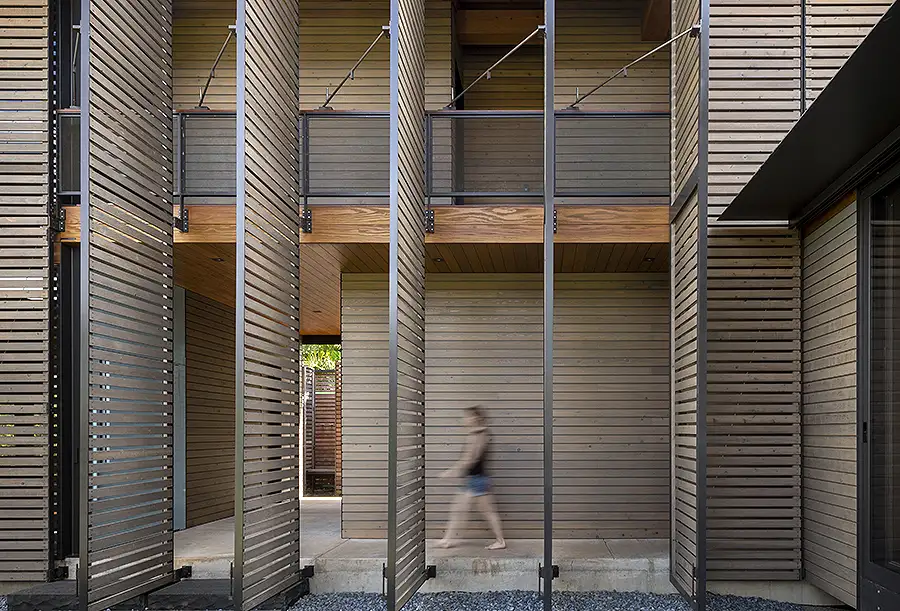
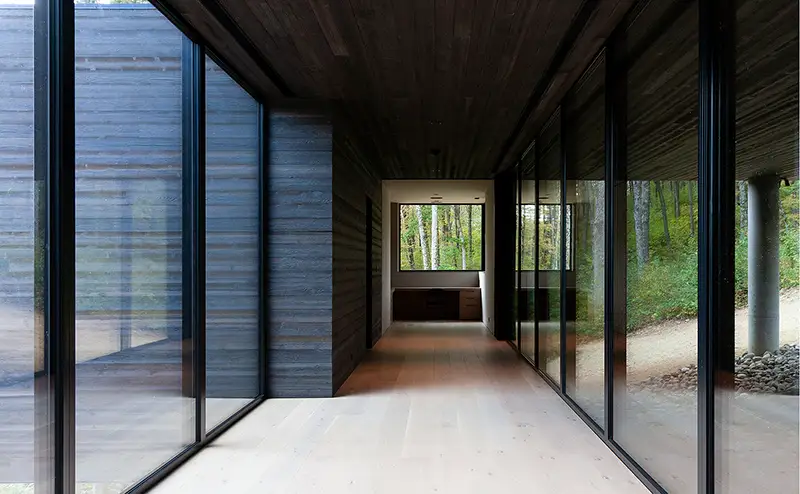
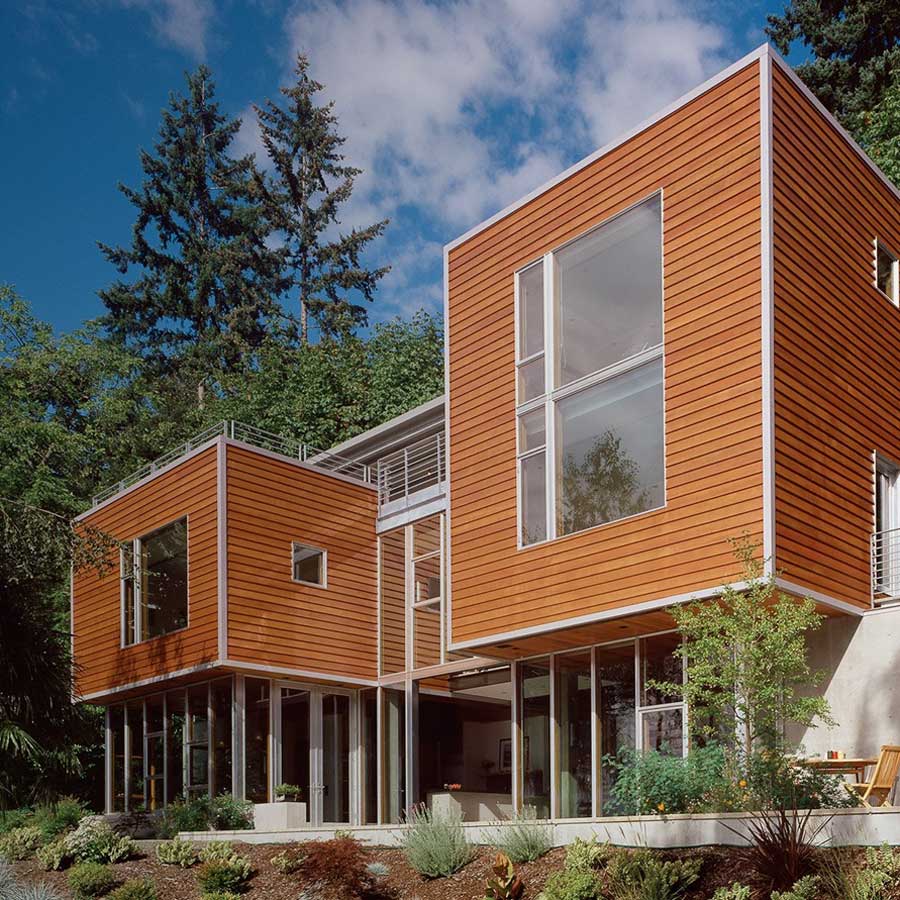
Thermal modification darkens Hem-Fir into a warmer, richer appearance. That creates a more premium visual character while keeping the natural grain, texture, and tactility of wood. In exterior applications, thermally modified Hem-Fir can be positioned for siding, cladding, decking, soffits, fascia, trim, and other architectural details where appearance and performance both matter.
It also gives the market another natural wood choice at a time when many alternatives are either synthetic, imported, scarce, expensive, or less aligned with local supply. Thermally modified Hem-Fir is rooted in a Pacific Northwest fibre story, manufactured through heat and steam, and supported by technical development.