






Thermal News Category: Technology + Testing
The Interior Design Show Vancouver – Pilot
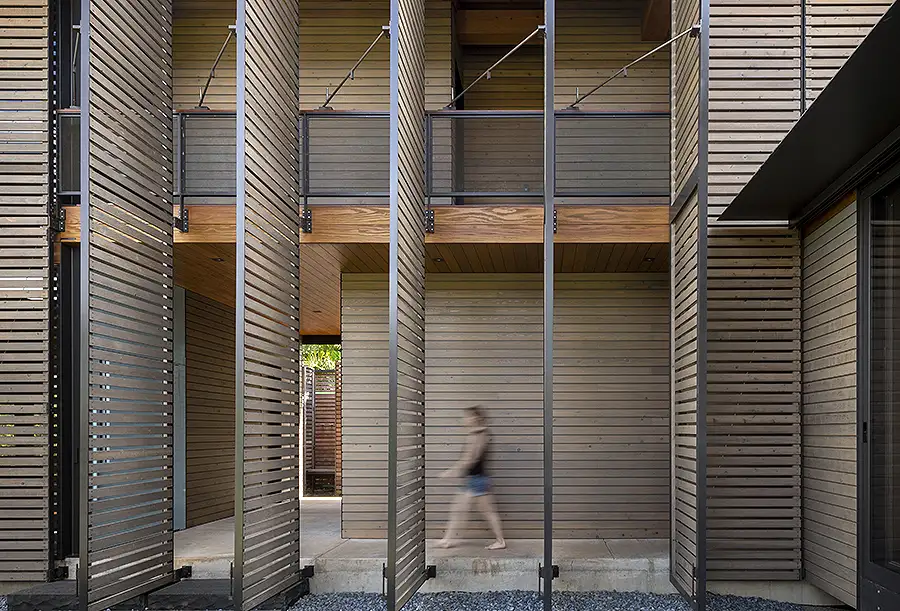
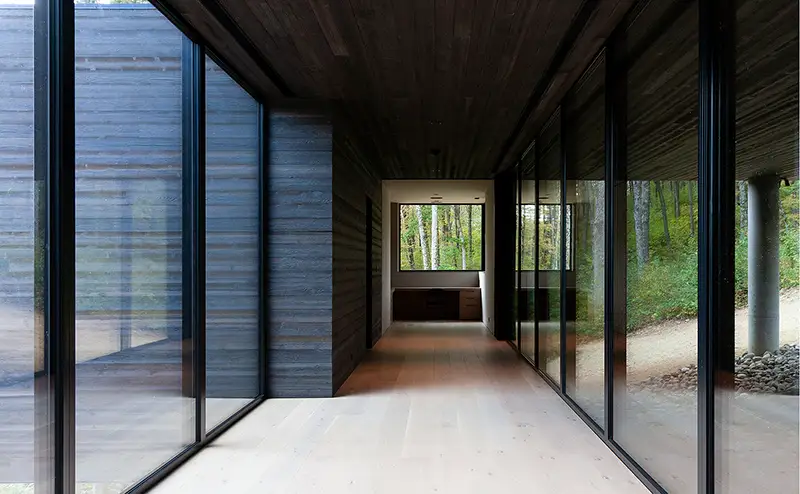
The Interior Design Show Vancouver gives Western Forest Products a focused platform to introduce thermally modified Hem-Fir to the people who influence how new materials are understood, specified, fabricated, and adopted.
Testing Thermally Modified Wood.
Thermal modification changes wood in useful ways, but it also changes wood in several ways at once. That is why testing is a foundation for responsible commercialization.
Jartek – Our Thermal Modification Technology Partner.
Learn why Western Forest Products selected Jartek as its thermal modification technology partner for Hem-Fir, combining Thermowood® expertise, kiln precision, testing, and scalable production.
Thermal Modification Testing Methodology for Hem-Fir.
Learn how we validate thermally modified Hem-Fir through fibre selection, process trials, laboratory testing, finishing trials, field monitoring, and pilot projects. See the five stages of our methodology.
The Science Behind Thermal Modification.
The process also changes the structure of cellulose and lignin. Cellulose becomes more ordered and less responsive to moisture. Lignin softens and re-hardens in a more cross-linked form. Extractives, including some oils, resins, and sugars, are partially evaporated. These changes affect colour, smell, moisture behaviour, stability, and biological resistance.
Thermally Modified Wood: Heat, Steam, and the Future of Hem-Fir.
Thermally modified wood is not a new idea chasing a trend. It is a mature wood modification process with a long technical pedigree, decades of commercial use, and a strong track record in exterior wood applications.