
Western’s Vancouver house pilot is bringing ThermoWood® Hem-Fir into a real residential setting. We spoke with Andrew Scott at Fisher Coating about his first experience working with ThermoWood® Hem-Fir, the pilot approach, and what architects and designers should consider when choosing a finish.
Exploring finishing options for ThermoWood® Hem-Fir.
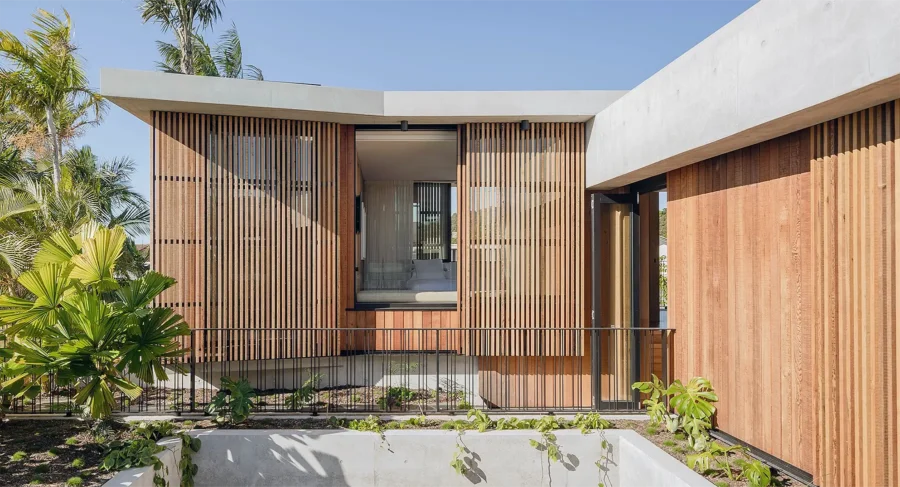
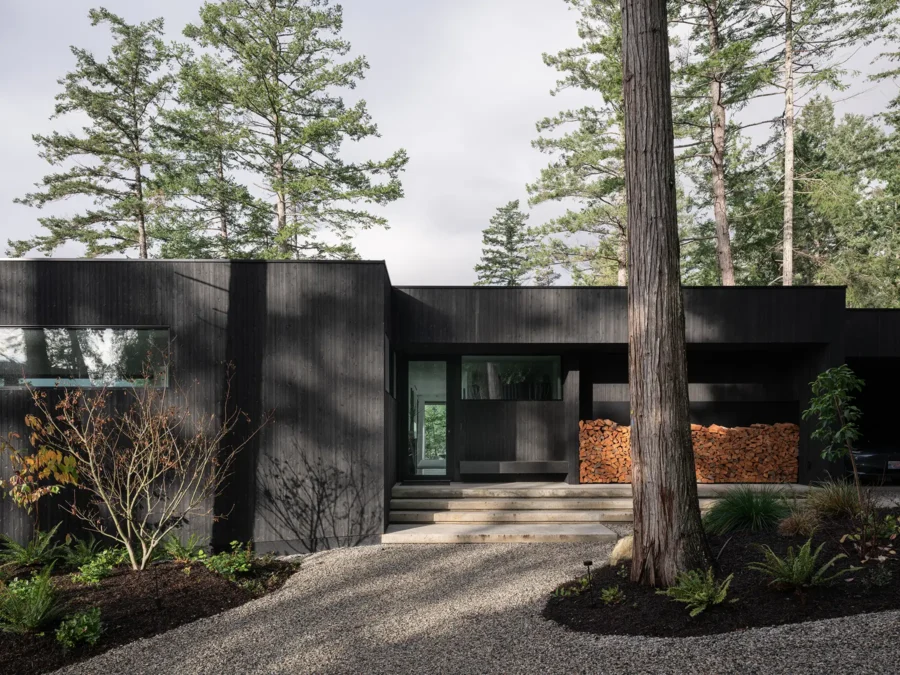
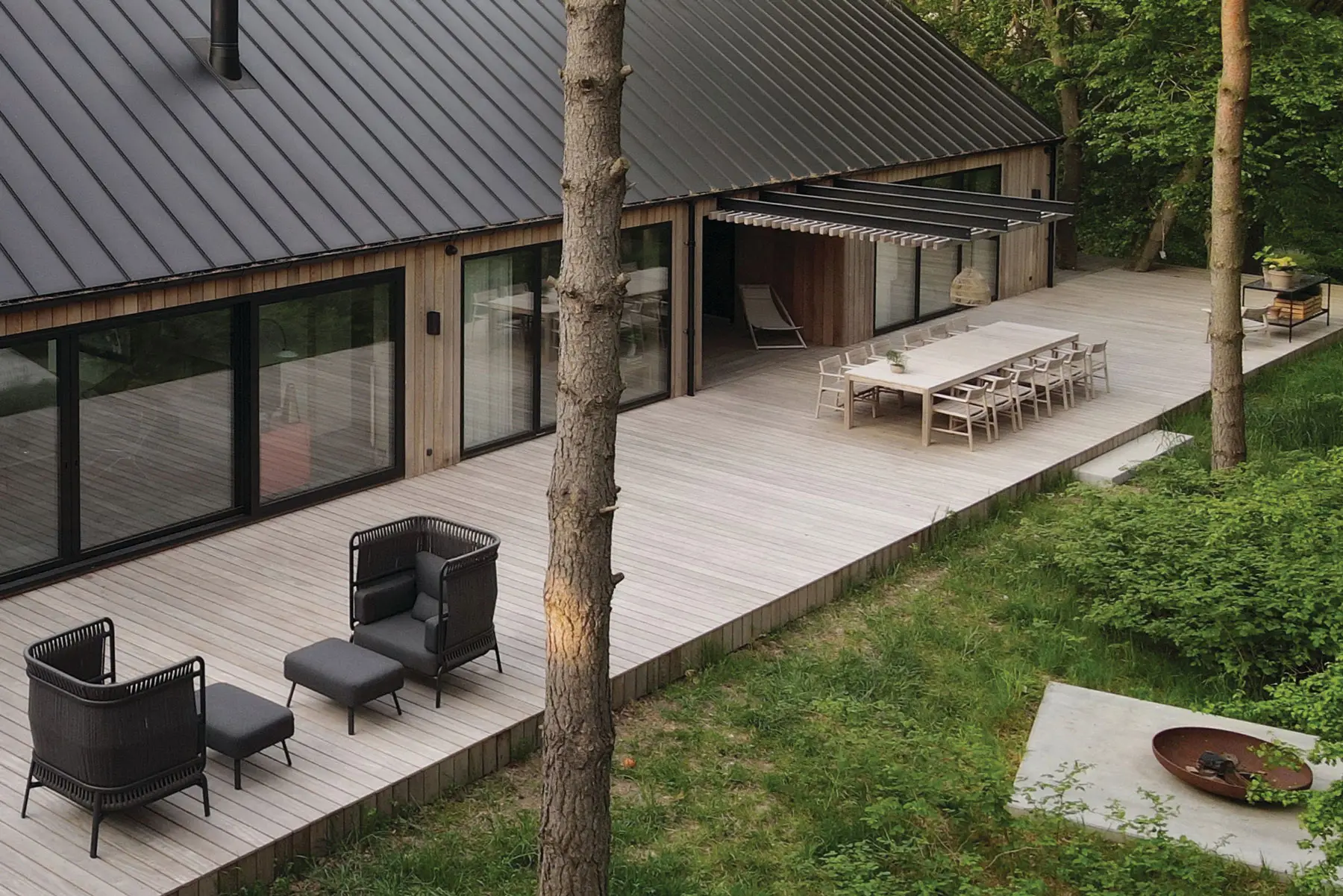
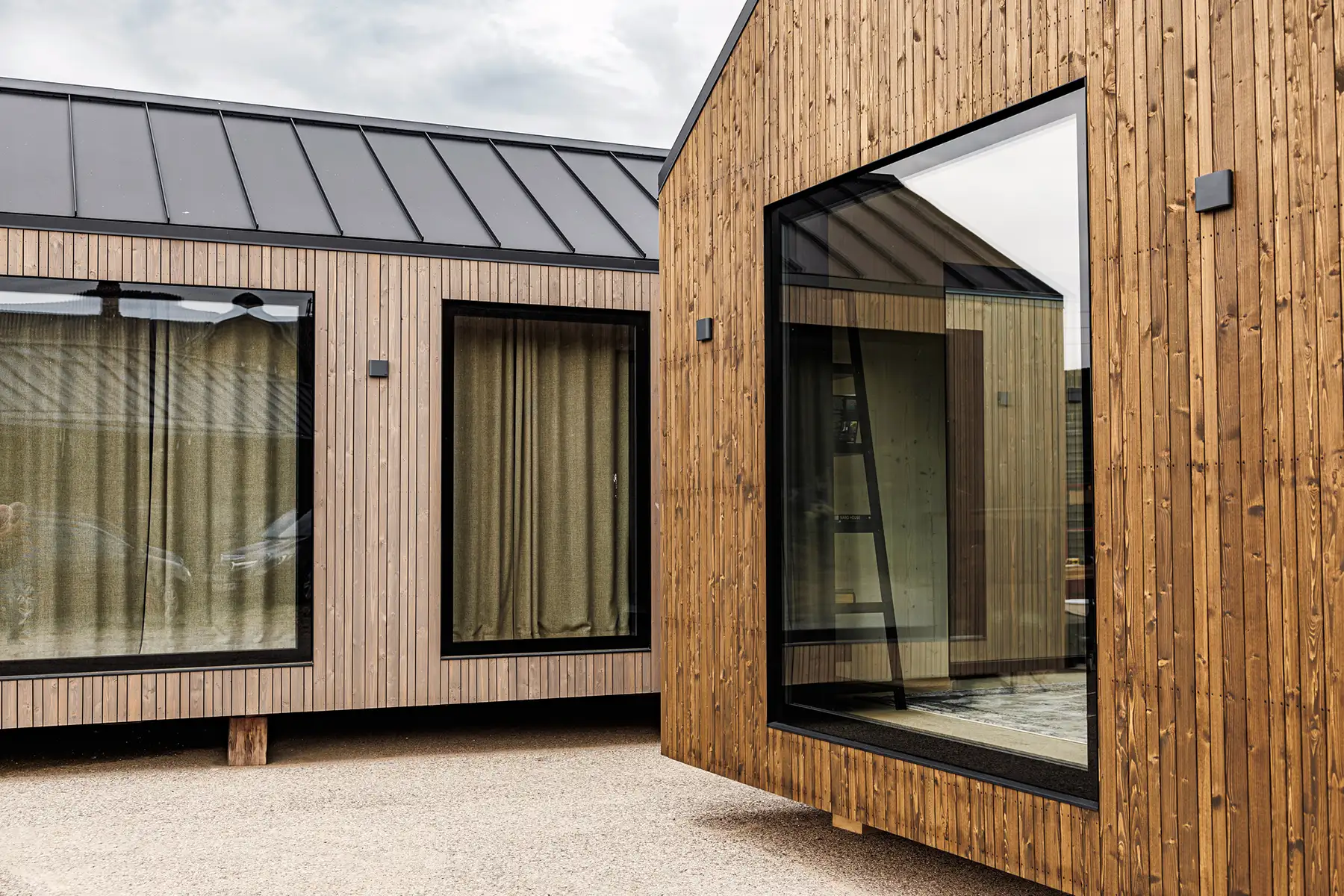
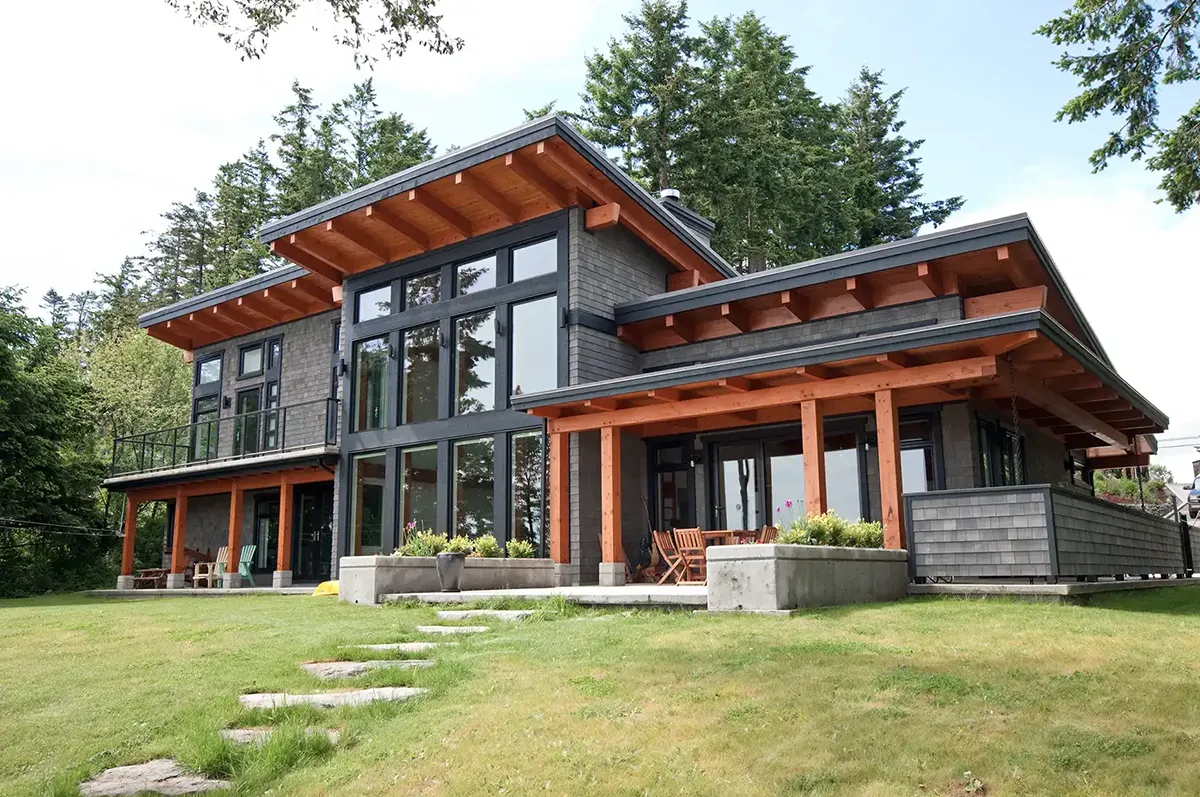
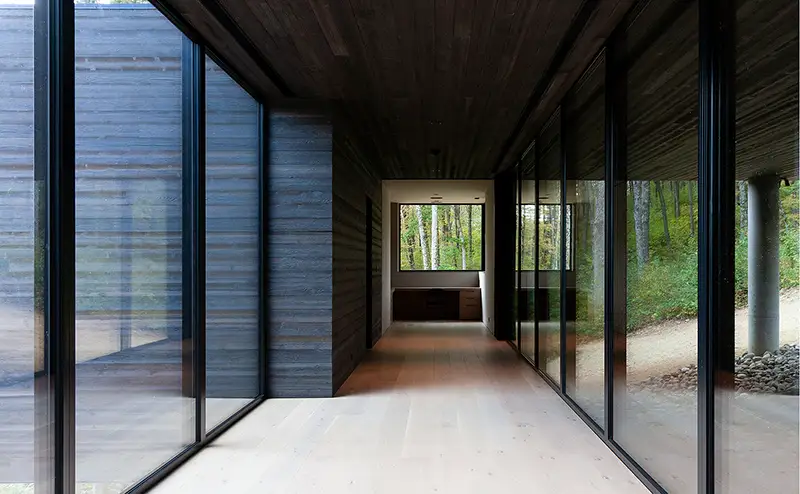
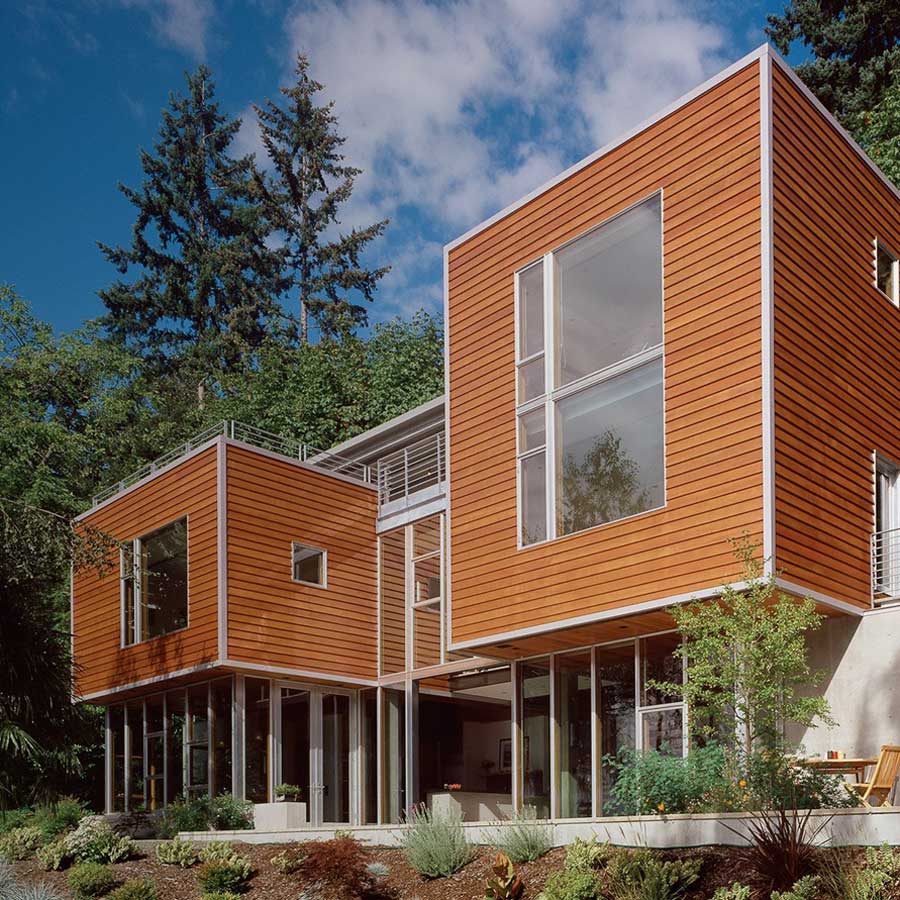
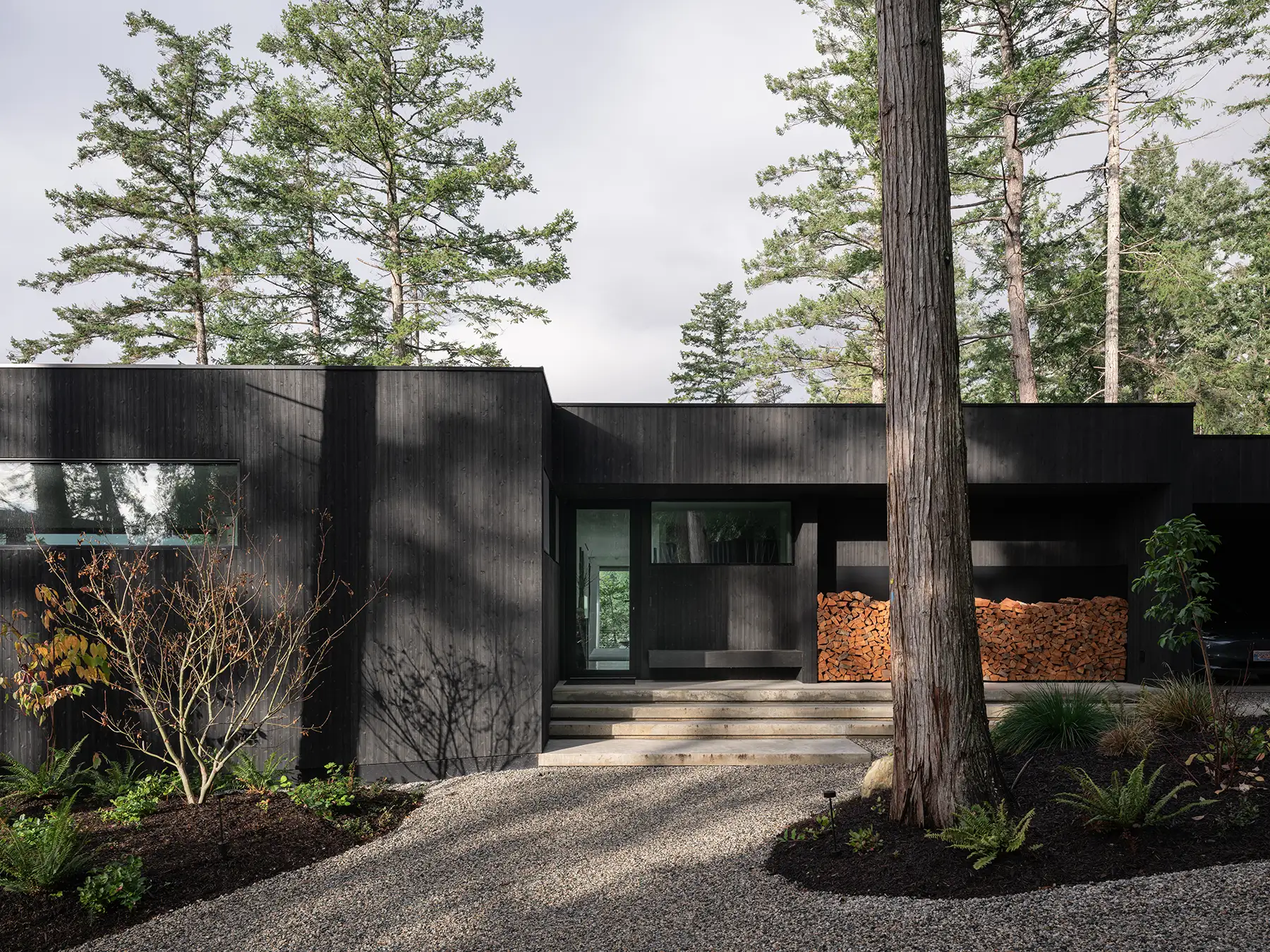
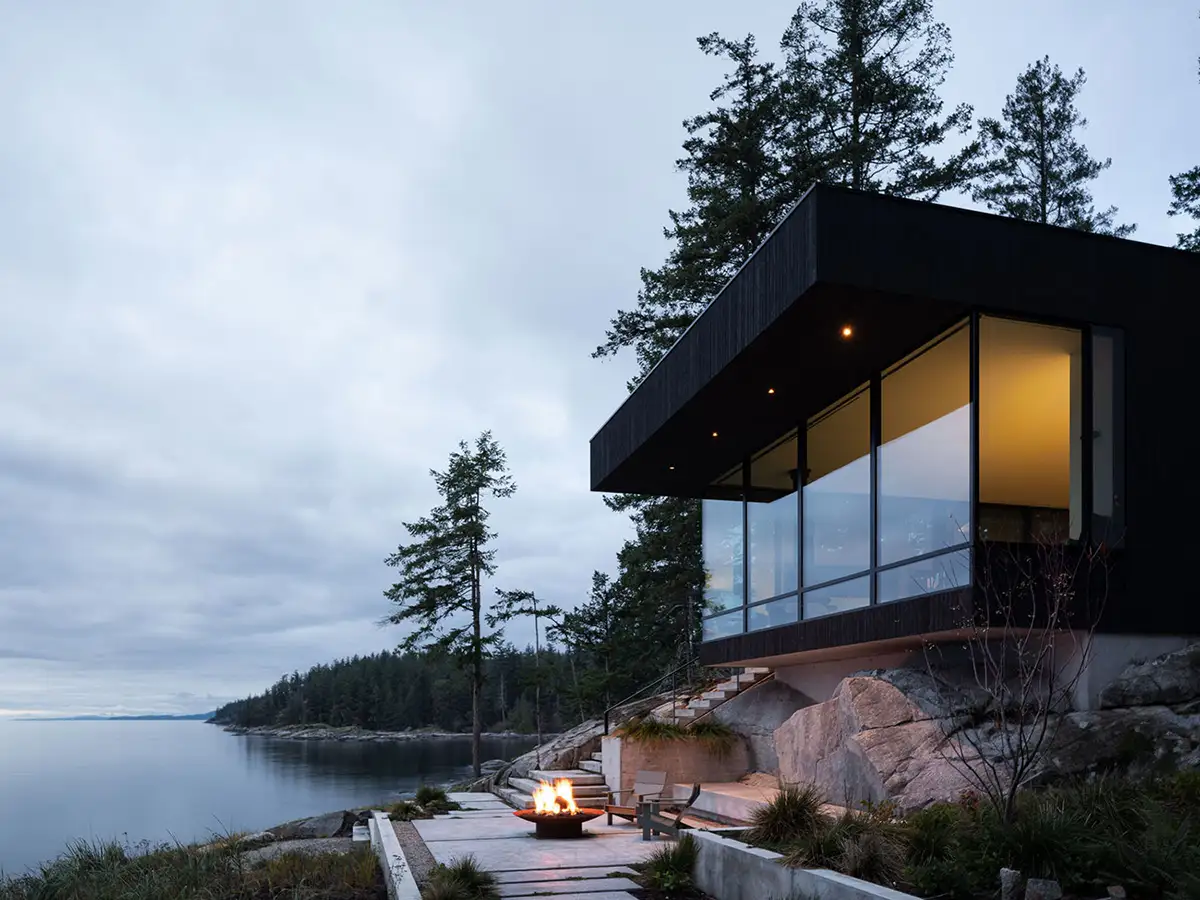
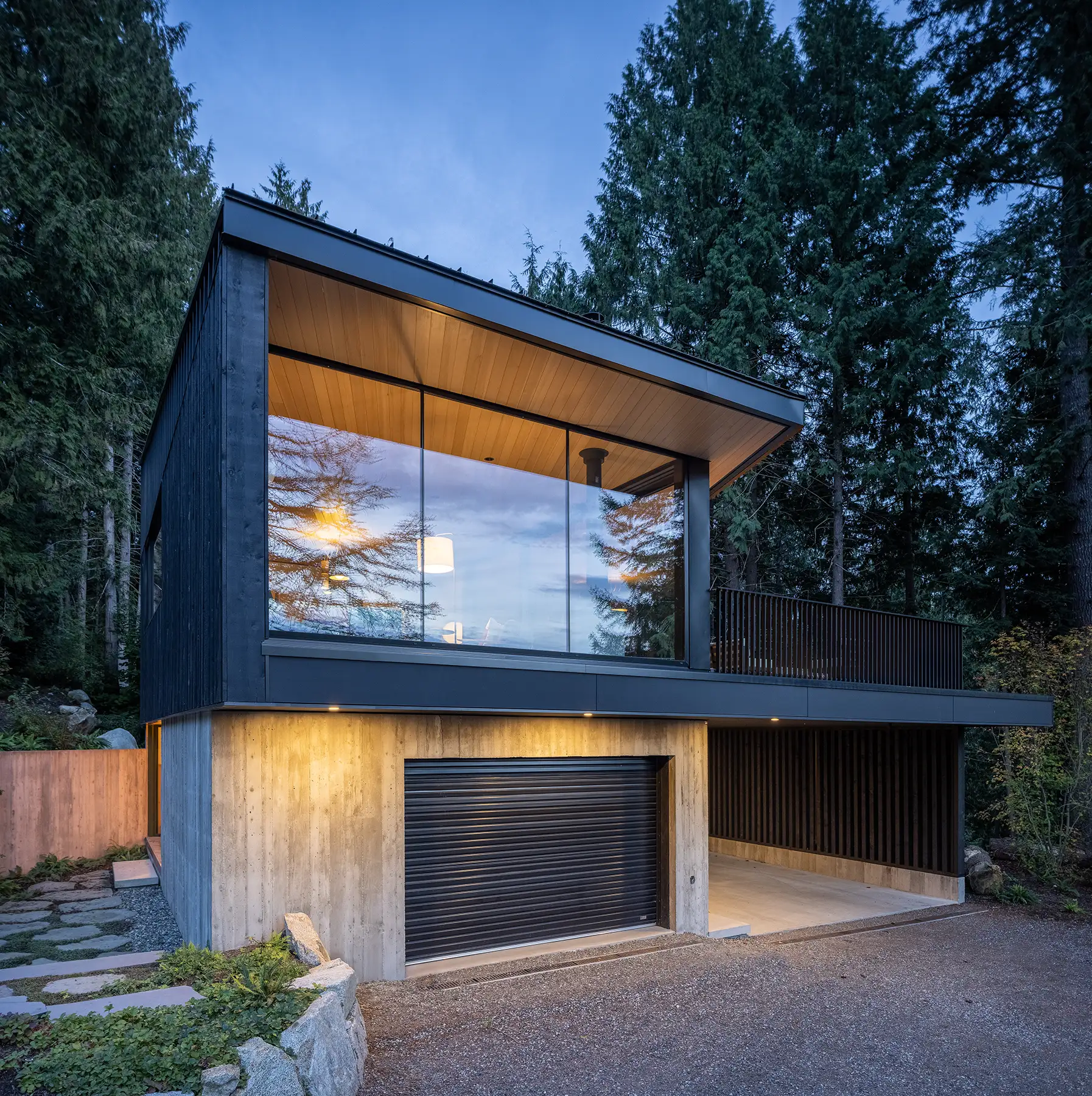
Western’s Vancouver house pilot is bringing ThermoWood® Hem-Fir into a real residential setting. With architecture by Leckie Studio and construction by Forte Projects, the project uses the material as exterior cladding, giving Western an opportunity to learn alongside the people designing, finishing, and installing it.
One decision the team faced was how the wood should look, both when installed and over time. Factory-applied finishes offer options to achieve the desired appearance.
A pre-grey finish can create a silver-grey look from day one, while a compatible pigmented coating system can help retain more of the rich dark brown colour created through thermal modification. The choice of finish should consider the design intent, UV exposure, and long-term maintenance expectations.
For the Vancouver house pilot, the team wanted to preserve that dark brown appearance. This gave them an opportunity to explore surface preparation, colour, and coating options, and to understand how factory-applied finishes work with the material.
Introducing Fisher Coating as our Finishing Partner.
Based in Squamish, B.C., Fisher Coating specializes in factory-applied finishes for wood and fibre cement building products. Founded as a painting contractor in 1998, the company opened its first pre-stain factory in 2008 and now serves projects across North America. Its portfolio includes distinctive West Coast destinations such as the Audain Art Museum and Sea to Sky Gondola.
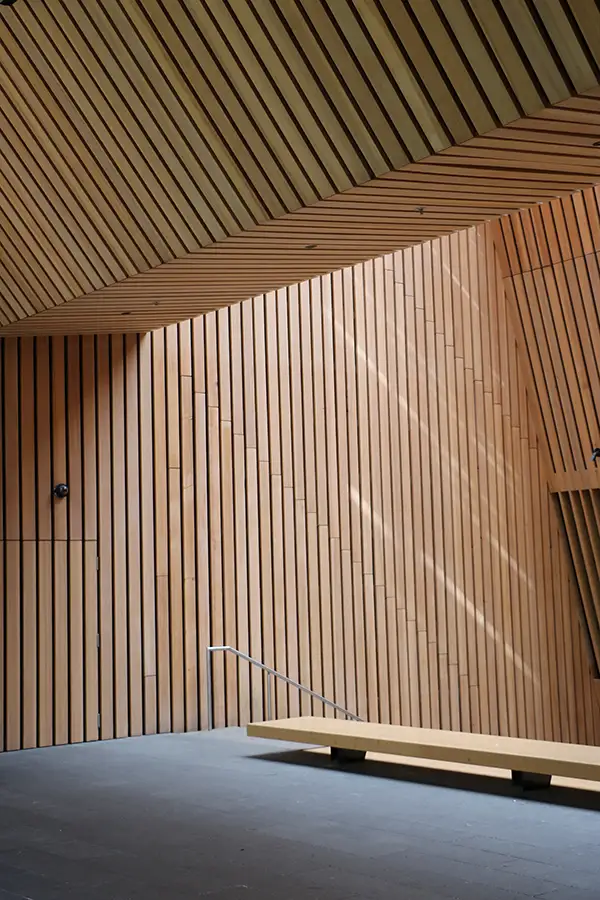
Fisher combines manufacturing capabilities with a collaborative approach, working with clients to understand the appearance and performance they want to achieve. Its range includes cedar, hemlock, Hem-Fir and thermally modified wood products, bringing relevant material experience to Western’s Vancouver house pilot.
For this project, Fisher is preparing and finishing the ThermoWood® Hem-Fir exterior cladding, helping Western explore how surface preparation and factory-applied coatings can support the team’s design goals.
We spoke with Andrew Scott at Fisher Coating about his first experience working with ThermoWood® Hem-Fir, the approach taken for the pilot, and what architects and designers should consider when choosing a finish.
What initially interested Fisher in working with Western on ThermoWood® Hem-Fir?
Andrew: “We’re always looking for high-performance, sustainable substrate solutions that push the boundaries of exterior wood cladding. Partnering with Western Forest Products on their thermally modified Hem-Fir was a natural fit, combining a locally sourced species and regional resource innovation with our specialized coating expertise.”
What stood out when you first worked with the material?
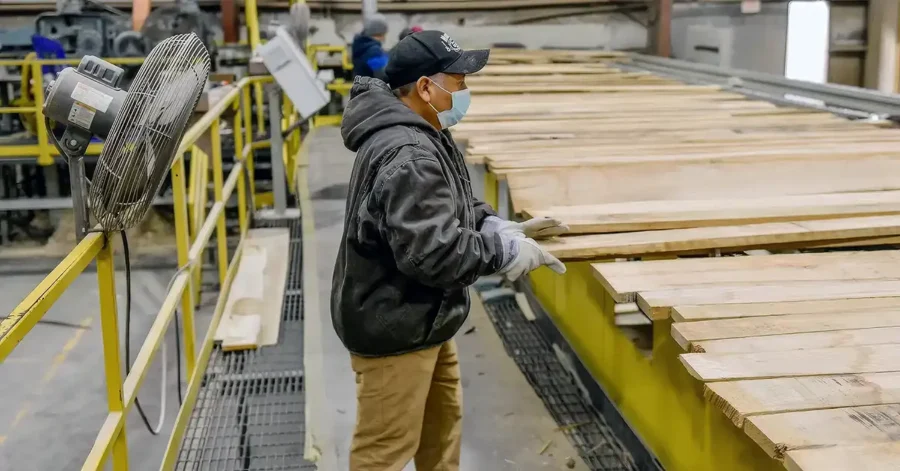
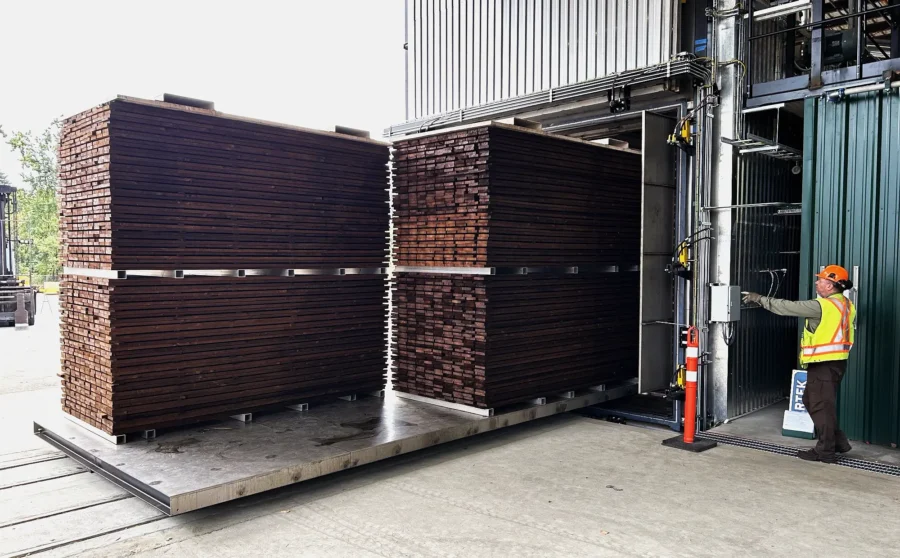
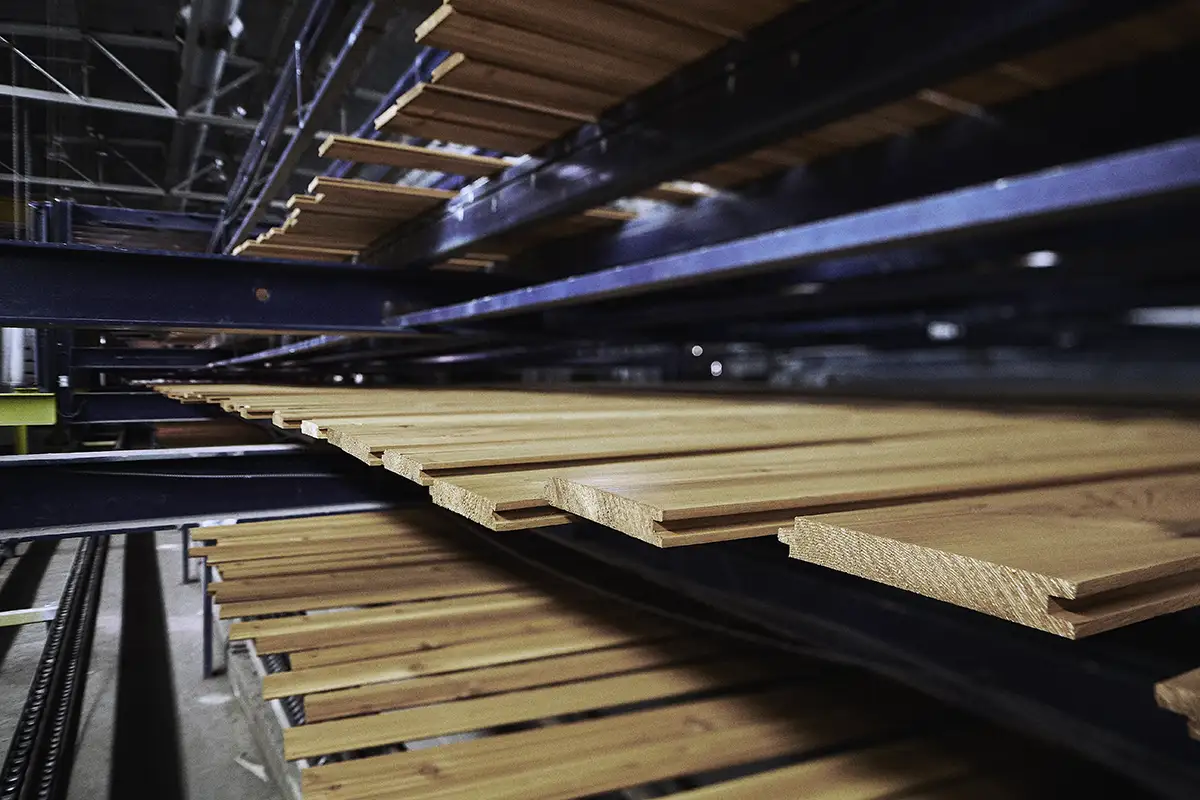
Andrew: “What stood out immediately was how this process elevates a traditional local resource. By taking STK Hem-Fir, a grade harvested directly from our regional forests that historically went mostly into structural framing, and thermally modifying it, Western has turned a classic knotty wood into a high-end, architectural-grade product.”
Andrew says the finishing process also needs to be developed specifically for the material.
“We don’t just apply coating. We rigorously test, refine and match coating chemistries directly to specific substrates like TM Hem-Fir to optimize adhesion, uniformity and performance in real-world environments.”
What makes ThermoWood® Hem-Fir interesting for architects and designers?
Andrew: “It hits the sweet spot between aesthetics, durability and environmental responsibility. Architects get the organic warmth and character of locally sourced knotty wood, backed by superior resistance to rot, decay and moisture movement.”
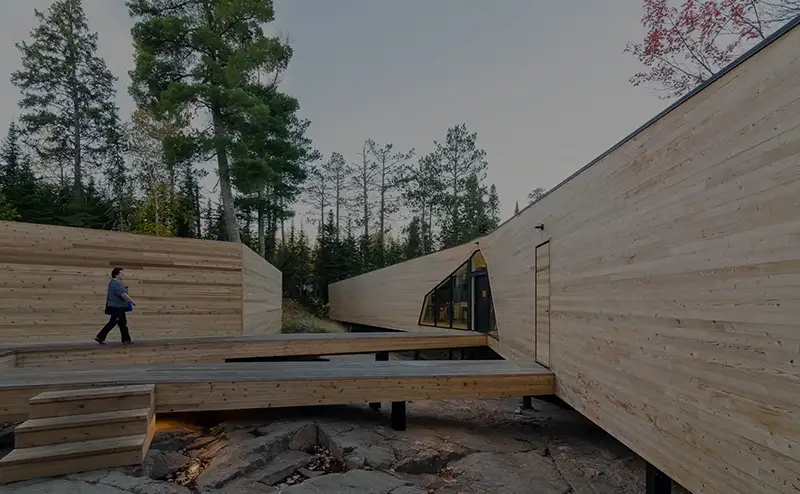
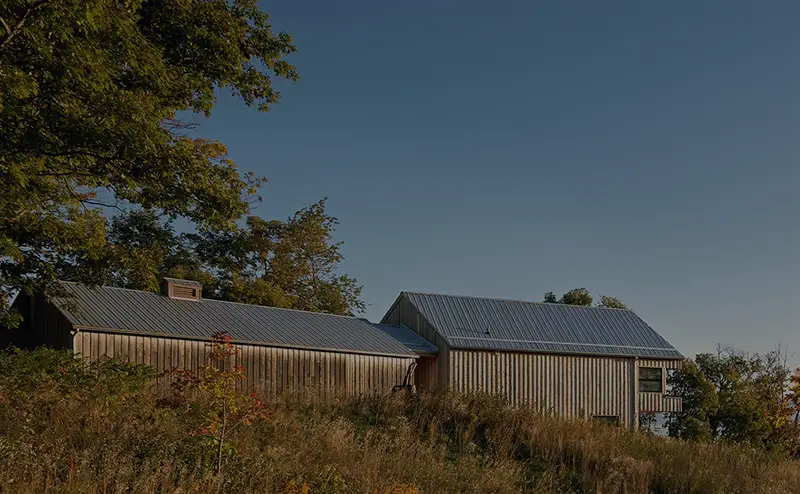
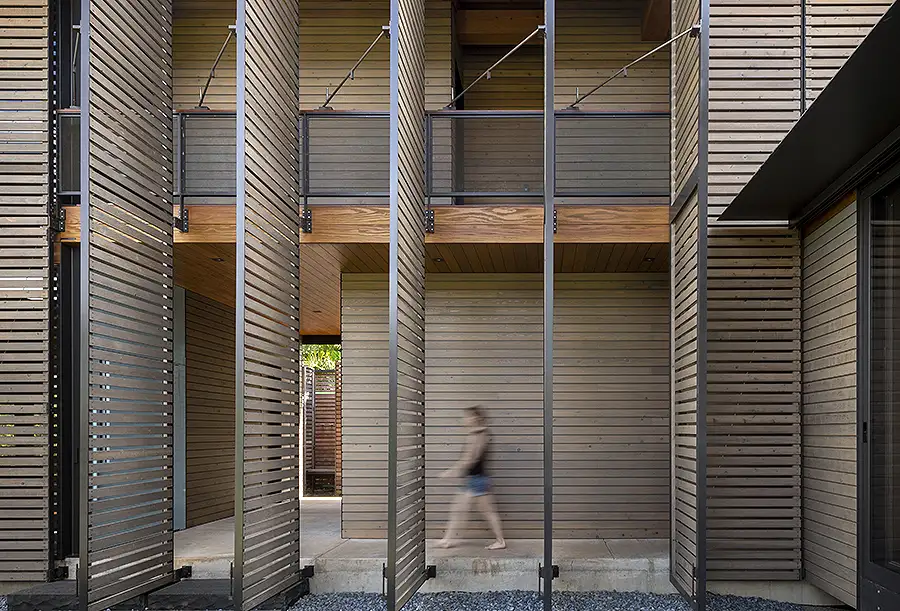
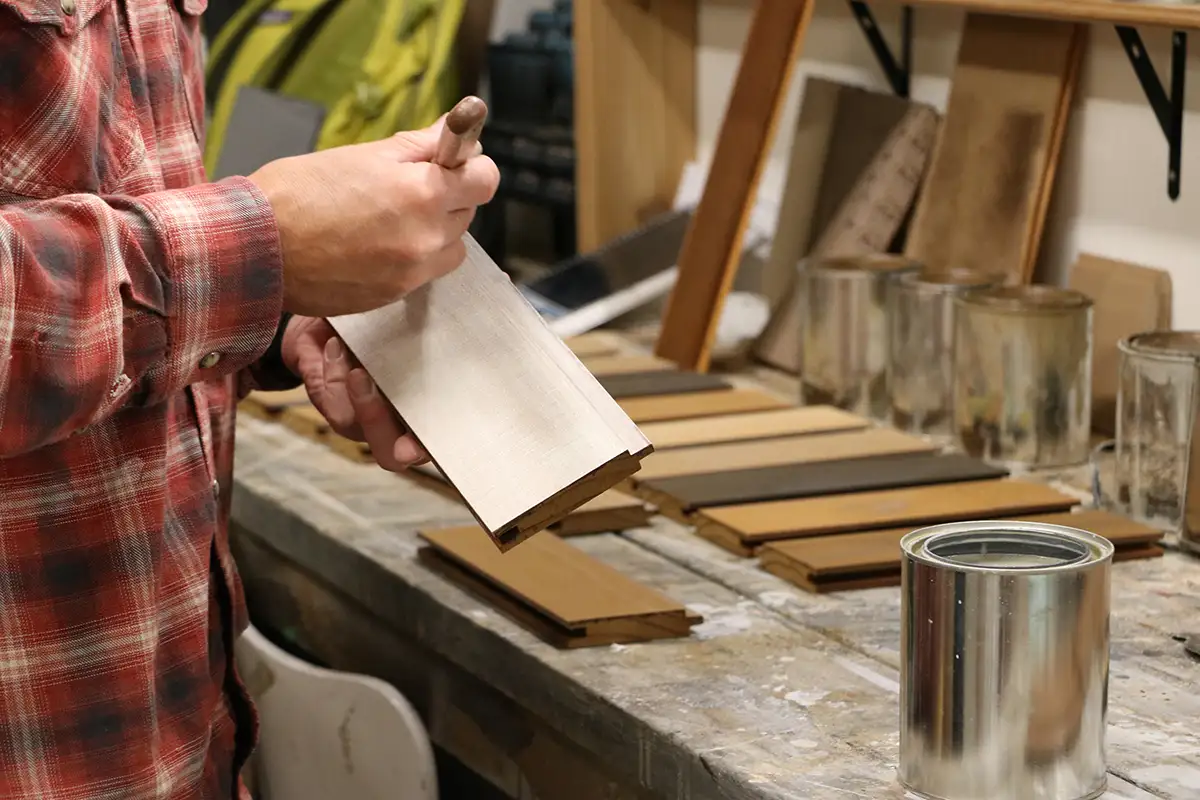
The material also gives designers flexibility in how it looks over time. Factory-applied finishing options include pre-grey tones for a weathered appearance from day one, or pigmented coating systems that help retain more of the wood’s original dark brown colour.
Andrew: “Paired with custom factory coating options, it gives designers a highly stable, low-maintenance canvas for modern exterior and interior applications.”
What should architects consider when choosing a finish?
Andrew: “The finish needs to be considered together with the substrate, the exposure and the desired appearance. Thermally modified wood behaves differently from untreated wood, so we evaluate coating compatibility, surface preparation and application requirements specifically for the material.”
For exterior cladding, factory finishing can also help provide more consistent colour and coverage before the material reaches the jobsite.
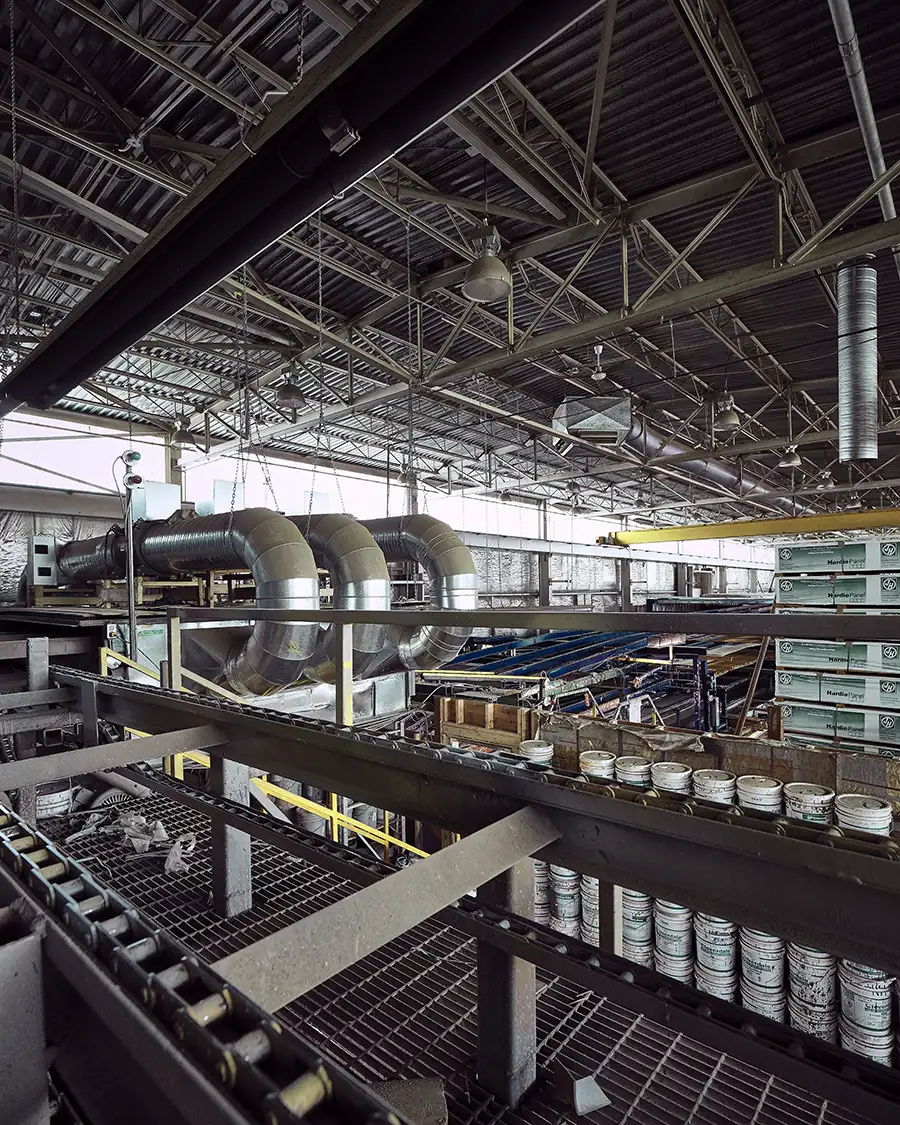
What excites you about having a locally produced thermally modified wood product?
Andrew: “Having a regional, British Columbia-sourced thermally modified substrate is a major win. It shortens the regional supply chain, directly supports our local forestry economy and ensures tight quality control from raw native fibre to the final coated product.”
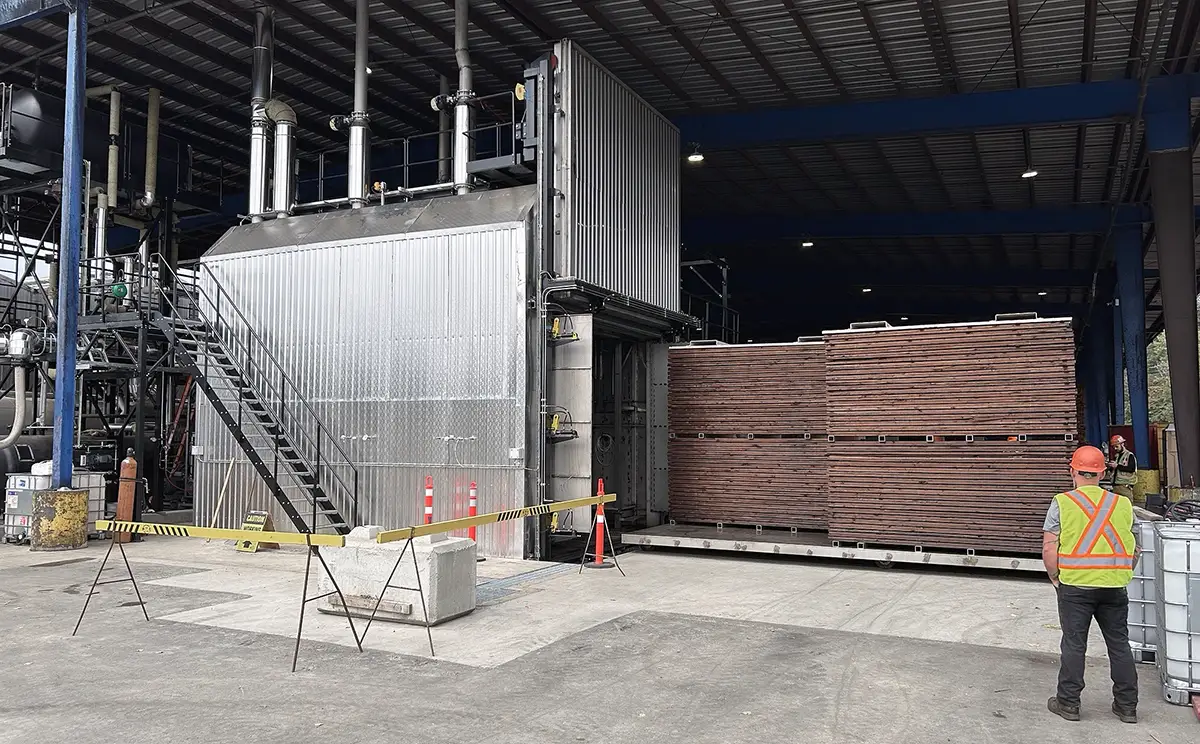
More finishing options for architects and builders
Fisher Coating offers a range of pre-finishing options, from established colour programs to custom finishes developed for individual projects. Its in-house capabilities include resawing, sanding, texturization and automated factory coating. This gives architects and builders more flexibility in surface texture, colour and finish.
For Western, the Vancouver pilot is helping us better understand how to finish ThermoWood® Hem-Fir for different design goals.
These learnings will help Western develop practical finishing recommendations for architects, builders and customers on future projects.