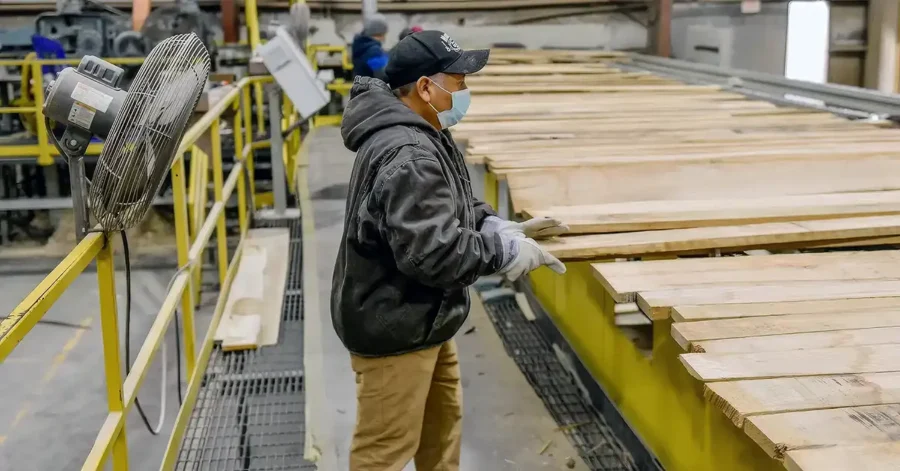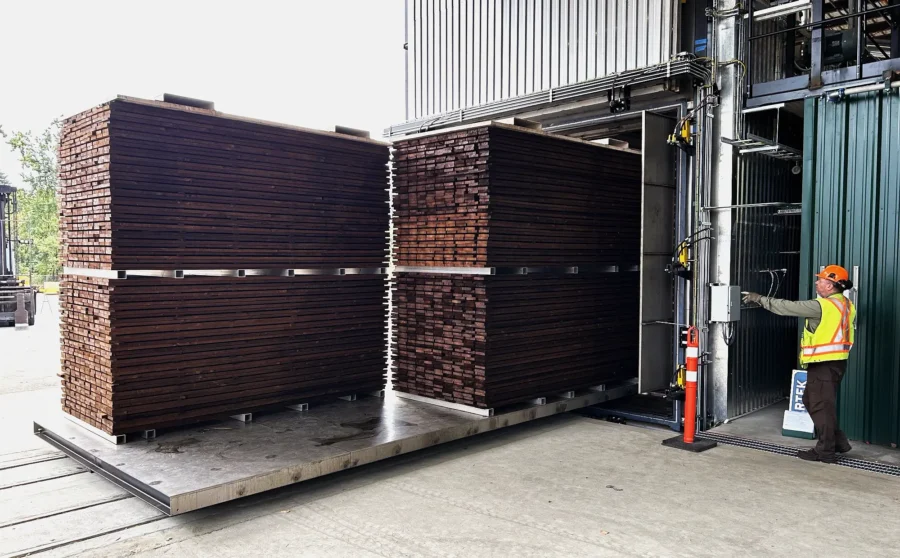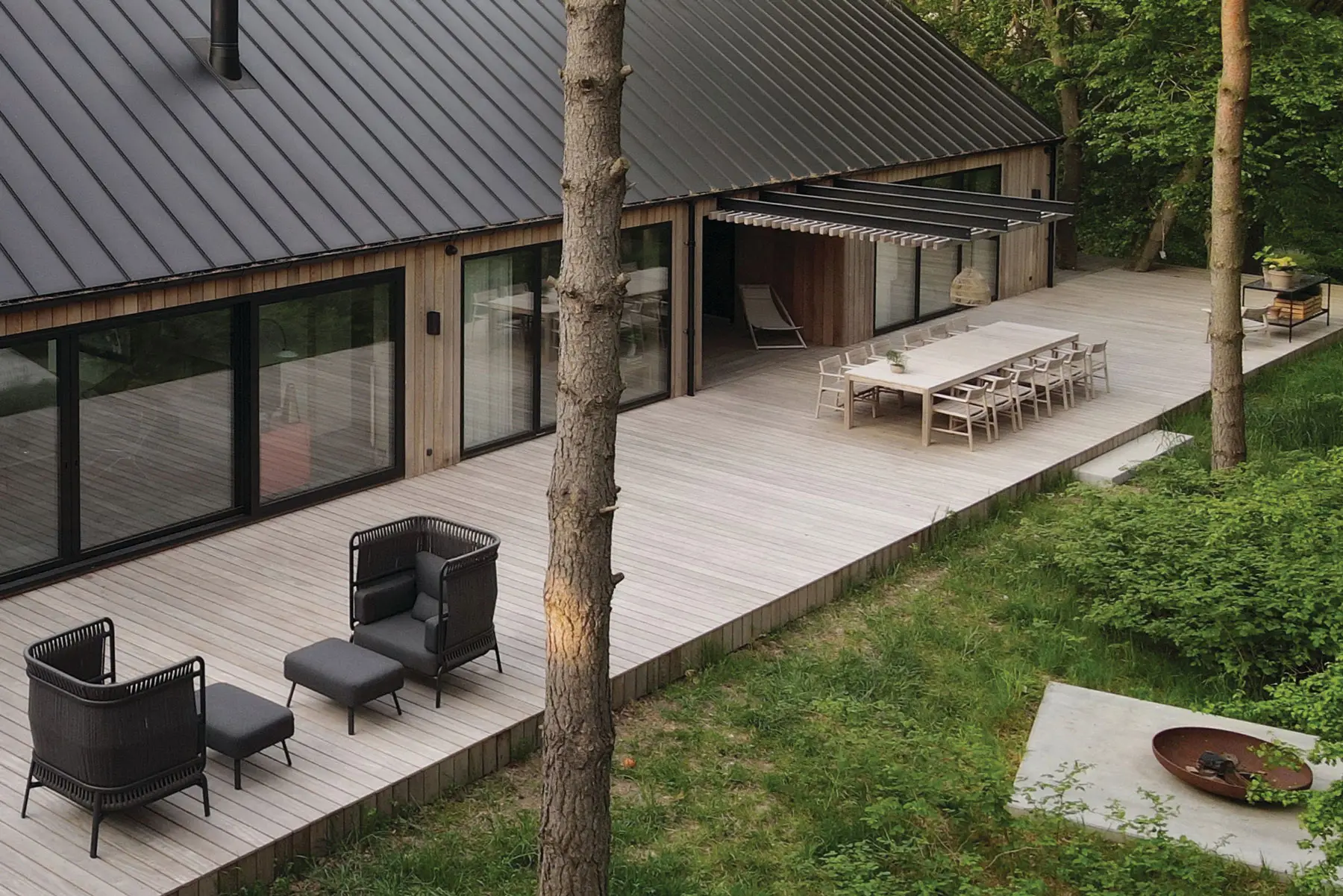
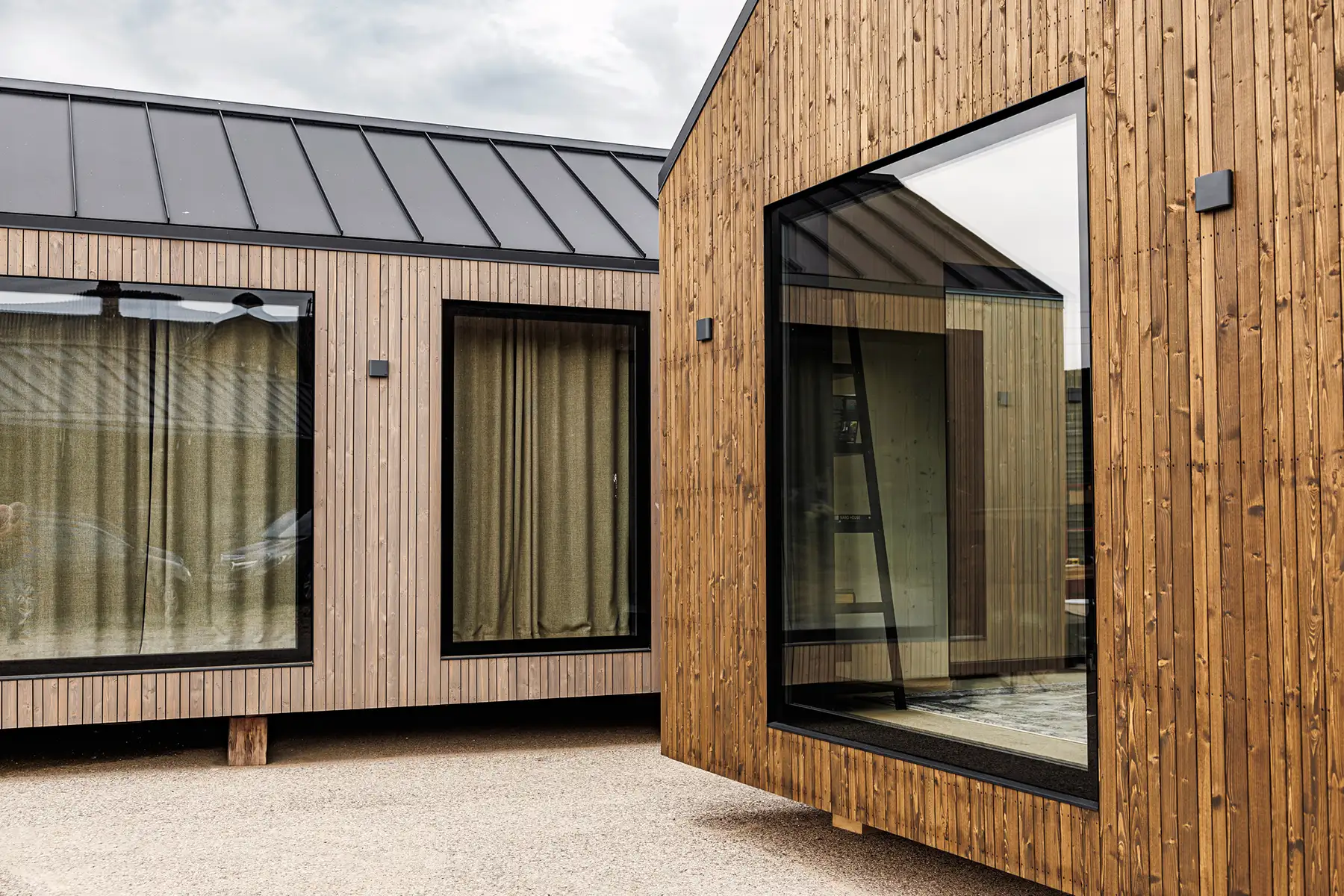










Western Forest Products has joined the National Hardwood Lumber Association to help advance thermally modified wood standards in North America. Through shared research, testing, and standards development, hardwood and softwood producers can build a stronger market and greater confidence in this growing product category.
Shared Technology, Shared Ambition: Building the Future of Thermally Modified Wood Together.
Founded in 1898, the National Hardwood Lumber Association (NHLA) has long supported the hardwood industry through standards, education, and technical services. That experience is now helping advance thermally modified wood (TMW) in North America.
NHLA’s involvement began in 2024, when producers approached the association about establishing a North American TMW industry group. Today, the NHLA Thermal Modification Task Force brings together nearly 120 participants, including producers, equipment suppliers, and researchers. Its standards subcommittee is developing a performance-based framework that accounts for differences in species, technologies, and treatment methods.
Different Species, Shared Goals.
Western Forest Products has joined NHLA as it develops its thermally modified Hem-Fir product platform, bringing a coastal British Columbia softwood perspective and manufacturing experience to the collaboration. Hardwood and softwood producers share many of the same challenges in processing, testing, quality control, and demonstrating product performance, giving them common ground for working together.
The shared goal is to deepen technical understanding, establish consistent performance expectations, and help architects, builders, and other customers select thermally modified wood with greater confidence.
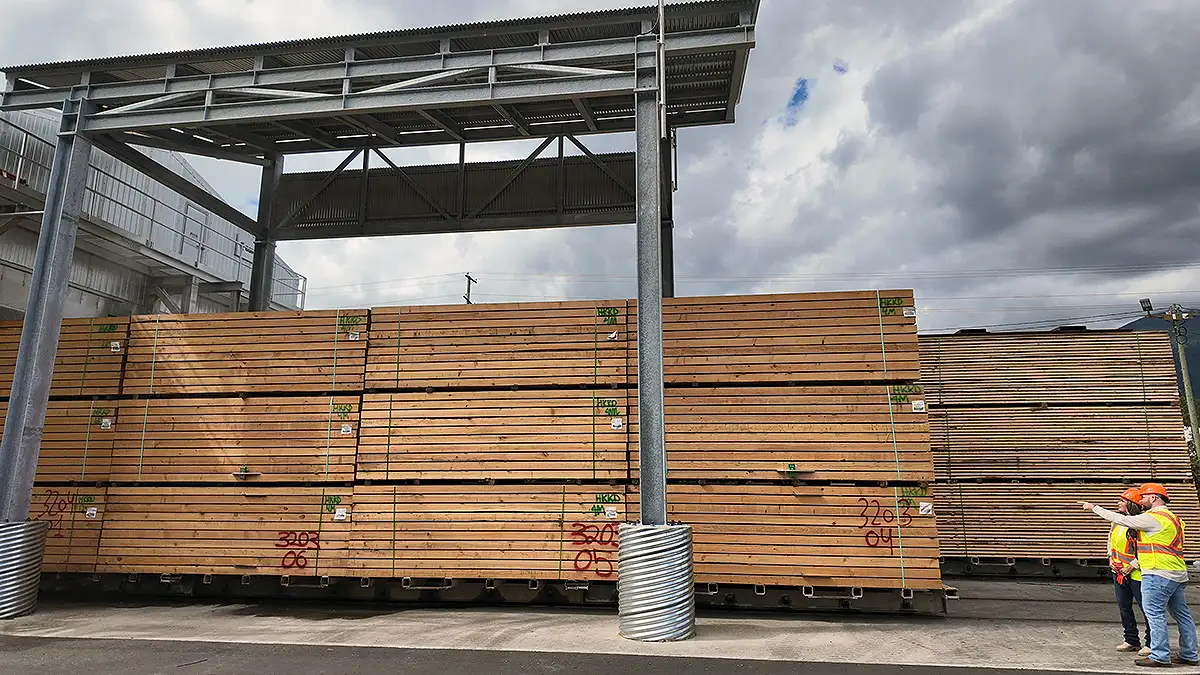
To support this work, Western plans to contribute thermally modified Hem-Fir samples to the Task Force’s developing testing program. The resulting data will help broaden understanding across species and inform future standards, certification, and product development.ns or marketing claims. Instead, Western’s future product documentation can be built around independently measured performance data.
Building Confidence Through Thermally Modified Wood Standards.
To explore that work, we spoke with Dallin Brooks, NHLA’s Executive Director, and Dr. Sailesh Adhikari, its Director of Research & Development and leader of the Thermal Modification Task Force.
Both bring direct experience with the technology. Brooks previously represented Jartek in North America and focused his master’s research on thermal modification. Adhikari’s experience includes thermal modification research at Virginia Tech. Brooks sees consistency as fundamental to market growth.
“The need for standards boils down to the need for customers to be able to get consistent quality from more than one supplier.”
For Adhikari, a common framework can accommodate the diversity that makes the category promising.
“The need for standards boils down to the need for customers to be able to get consistent quality from more than one supplier. Right now, products can be made from different species, using different technologies, treatment schedules, and quality-control systems. That diversity is good for innovation, but it can also create confusion if there is no common way to describe or verify performance.”
Moving From Appearance to Verified Performance.
Thermal modification visibly changes wood, but appearance alone can’t show how it will perform in use. Adhikari quotes:
“Standards help because they move the conversation from appearance to verified performance. A darker colour, or the fact that wood has been heated, does not necessarily mean the product has been modified enough to deliver reliable durability, moisture performance, or dimensional stability”
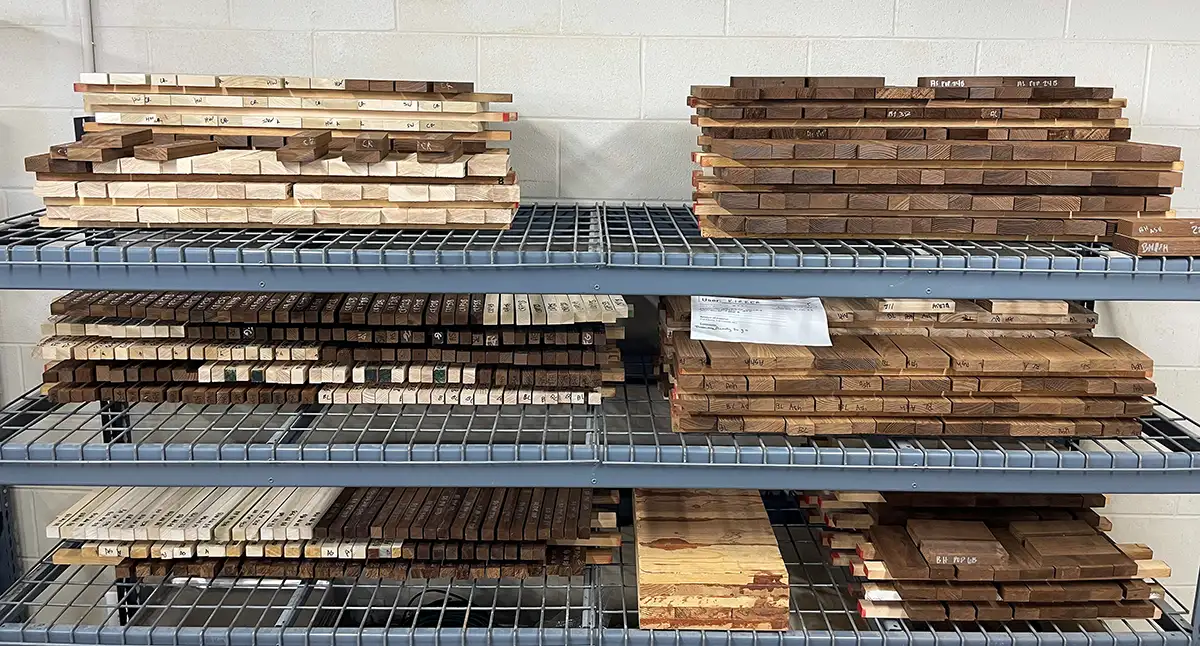
NHLA’s planned testing program is intended to build that evidence. Phase 1 focuses on mass loss, equilibrium moisture content, colour change, and small-sample bending. Phase 2 will expand to include dimensional stability, decay resistance, mechanical properties, and chemical or structural validation, with independent testing by research partners, including the USDA Forest Products Laboratory. According to Adhikari, the future certification framework will also need:
“Clear audit procedures, traceability, producer documentation, and agreed minimum performance thresholds.”
Together, these elements would help connect the way a product is manufactured with the performance customers can reasonably expect.
Understanding the Value in Use.
Dimensional stability is central to thermally modified wood performance. Reducing wood’s tendency to move as moisture conditions change creates opportunities in applications where maintaining shape and fit matters. Brooks says:
“The biggest advantage of thermally modified wood is the increased dimensional stability, not the increased durability, even though that is often touted as the reason to use thermally modified wood.”
That benefit can be relevant to windows, doors, and interior-exterior interfaces where dimensional movement can affect performance. More broadly, the ability to reduce movement while still using solid wood could open opportunities for TMW across a range of applications.
Establishing suitability still requires evidence for the particular species, treatment, and application. This is another area where hardwood and softwood producers share an interest. Better information helps customers choose the right material and gives manufacturers a stronger foundation to explain its value.
Bringing Western’s Experience to the Table.
Western’s investment introduces thermal modification into an established North American softwood manufacturing operation, with a product platform built around coastal B.C. Hem-Fir. Brooks sees Western’s manufacturing and market reach as significant.
“Western is bringing thermally modified wood to market at a scale, and through a distribution network, that has not been seen before. Its entry into the thermally modified wood business in North America is a game changer: Western is the first publicly traded softwood company to invest in the technology.”
As more producers enter the market, differences in species, raw material, processing, and production experience will make product consistency increasingly important. Understanding how these factors affect the finished product remains a key challenge. Adhikari says:
“The main knowledge gaps are still around how treatment conditions translate into final product performance.”
Further research is needed to better understand species-specific responses, long-term field durability, strength retention, and practical quality-control indicators that producers can apply during production.
Western’s participation gives it a way to contribute to this work while learning from other producers’ and research partners’ experience. This shared knowledge can help inform manufacturing decisions and customer guidance, while supporting broader efforts toward consistent, performance-based standards.